


183
社区成员
 发帖
发帖 与我相关
与我相关 我的任务
我的任务
 分享
分享| The Link Your Class | https://bbs.csdn.net/forums/MUEE308FZ?category=0 |
|---|---|
| The Link of Requirement of This Assignment | https://bbs.csdn.net/topics/603386400 |
| The Aim of This Assignment | Improve the understanding of UML |
| MU STU ID and FZU STU ID | 19104308_831901320 |
Requirement
1. Please issue your Lab Blog on CSDN.
2. The Link of your blog of this lab and This Lab Sheet (This Word File) must be submitted to Moodle, or you will lose the score of this Lab. (VERY IMPORTANT: You should submit TWO things)
3. Modeling must be done using professional tools.
4. You should EXPLAIN your diagrams in words if necessary.
Question
Live-streaming sale, through some Internet platforms, is a new way of service using live-streaming technology for close commodity display, consultation response, and shopping guide. Merchants can open their own live broadcast room, or employ professional anchors to recommend goods. At present, not only many celebrities flock into this field, but some big companies’ executives are also frequently involved. Please try to design a comprehensive live-streaming sale system.
(i) List some actors that interact with this system. Explain the relevance of each actor.
Your Answer:
1. Seller: as the supplier of products in the final trading link of the system, relevance of Buyer.
2. Buyer: the buyer of the product as the final transaction link of the system,relevance of Seller.
3. Anchor: Introduce and display products live and interact with the audience to arouse the desire to buy. Relevance Seller.
4. Administrators: who manage the registration data of user and manage the data.
(ii) Prepare a use case diagram for this system.
Your Answer:
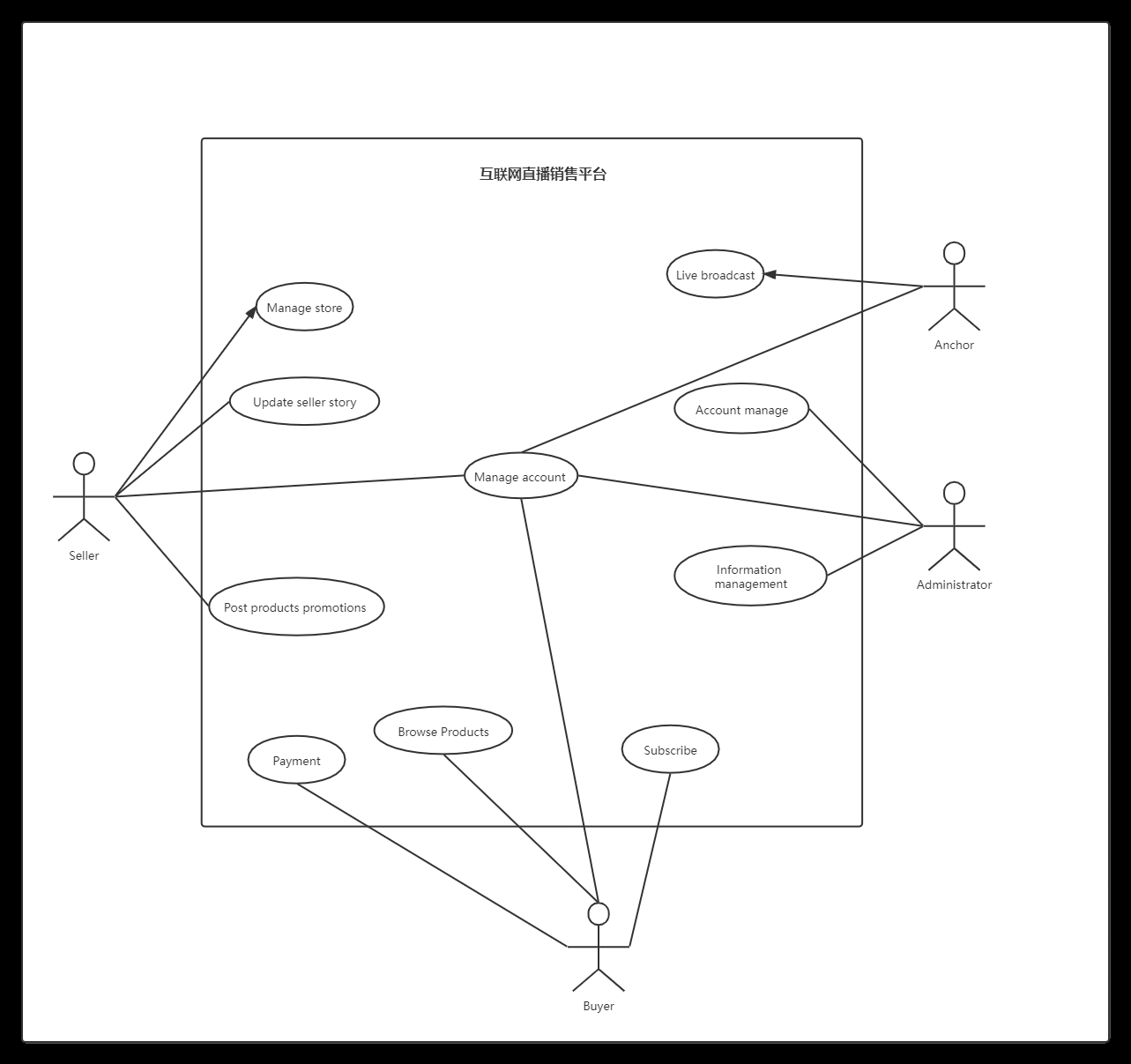
(iii) Prepare a normal scenario for each use case. (i.e. describe each use case in words)
Your Answer:
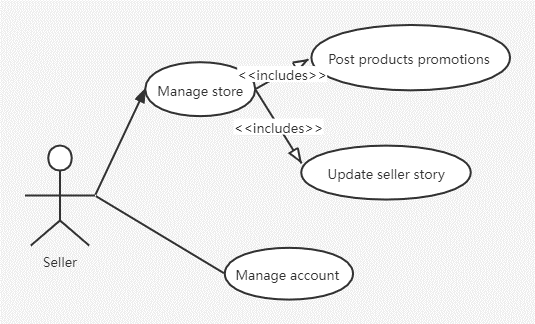
1. Seller: as the supplier of products in the final trading link of the system, relevance of Buyer.
Manage Store: Seller Manages your own store items. Merchants can manage goods on and off the shelves . Set the stock of the product.
Update Seller Story: Seller can Update vendor content.
Manage Account: Seller Manages its own account information.
Post Products Promotions: Seller may publish its own account information.
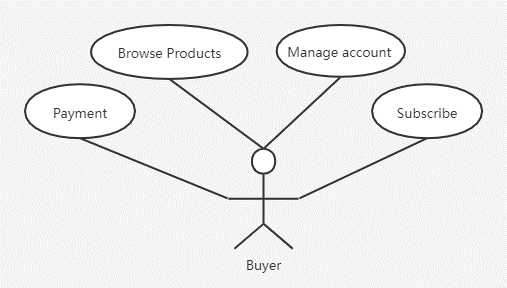
2. Buyer: the buyer of the product as the final transaction link of the system,relevance of Seller.
Payment: Buyer A function used to pay for a product.
Browse Products: Buyer a function used to Browse Products on the platform.
Subscribe: Function used by users to Subscribe to anchors.
Manage Account: Seller Manages its own account information.
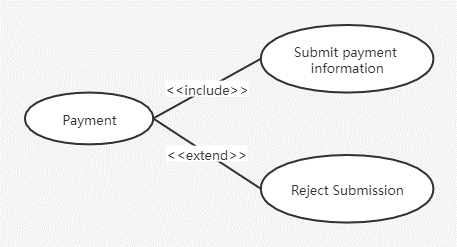
Payment: Customers submit payment information to merchants. If the stock is insufficient, the submission will be rejected.
3. Anchor: Introduce and display products live and interact with the audience to arouse the desire to buy. Relevance Seller.
Manage Account: Seller Manages its own account information.
Live Broadcast: Functions used by The Anchor to broadcast Live.
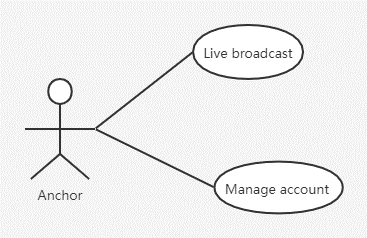
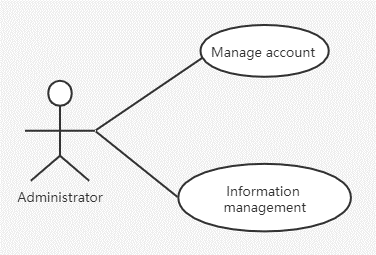
4. Administrators: who manage the registration data of user and manage the data.
Manage Account: Seller Manages its own account information.
Information Management: The administrator has the rights to manage all platform Information.
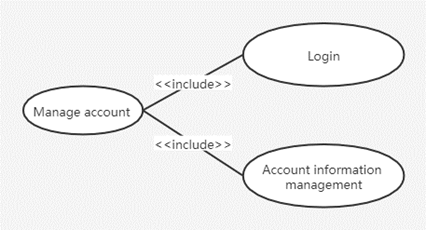
Manage account: Customers and Merchants can login the account and modify account information.
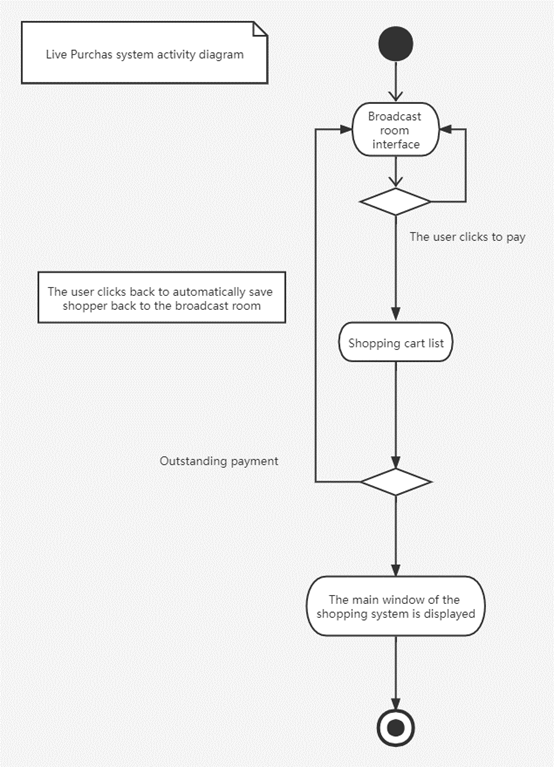
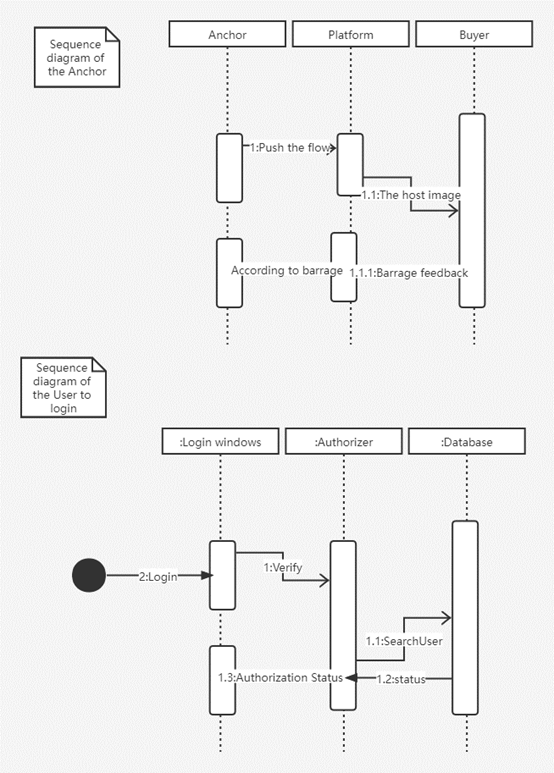
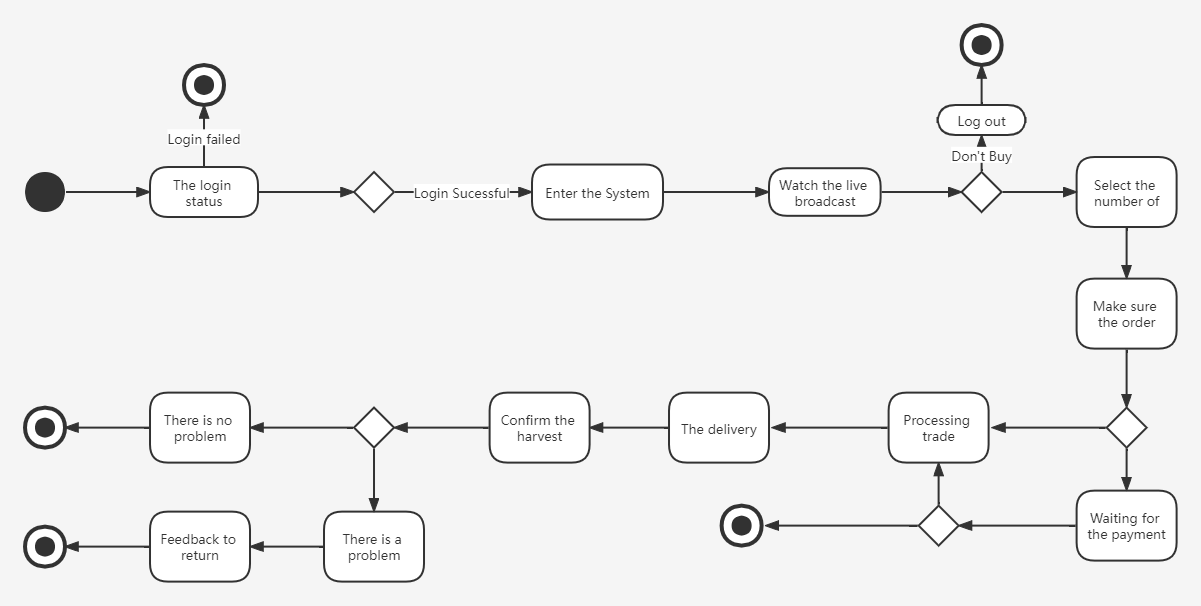
(iv) Prepare sequence diagrams or activity diagrams for primary scenarios. By the way, each scenario can be described by a sequence diagram or an activity diagram, but both diagrams must be used in this question.
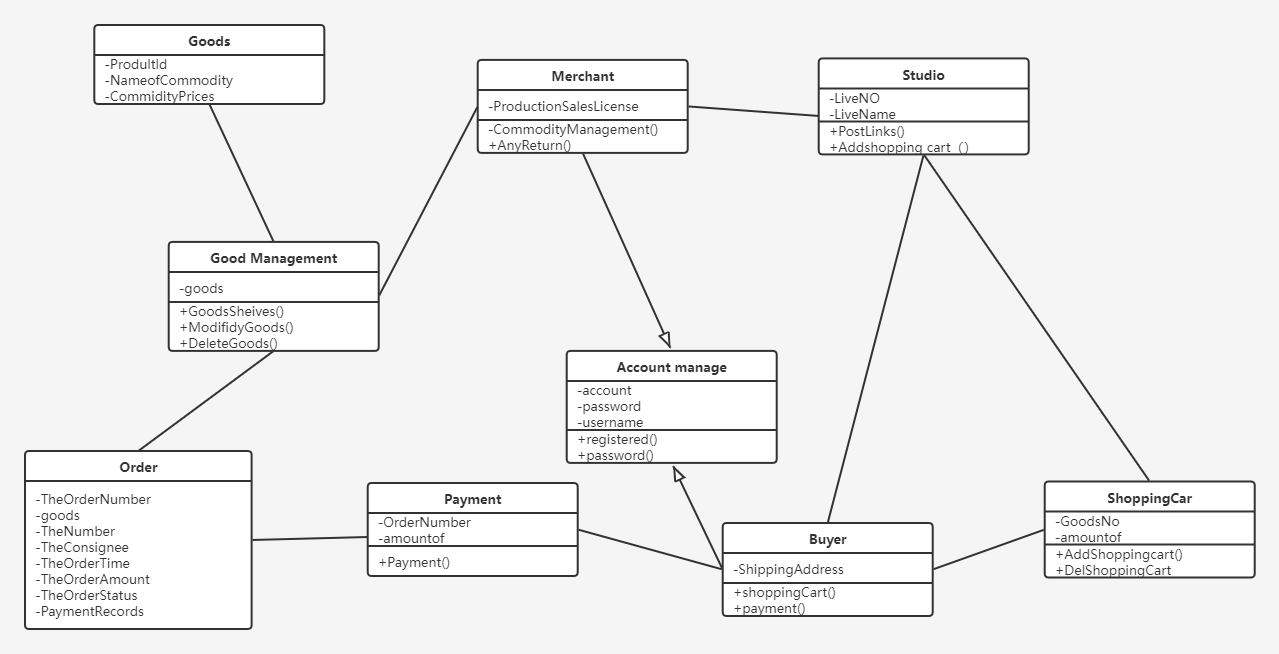
(v) Prepare a class diagram for this system. Explain which principles of object-oriented are applied in your design.
(vi) Prepare state diagrams for primary classes.
(vii) Write the skeleton code corresponding to the class diagram in C++, Java, Python, or C#.
//user:
public class customer extends User { private int ShippingAddress; public void shoppingCart() {
throw new UnsupportedOperationException();
}
public void Payment() {
throw new UnsupportedOperationException();
}
}


//customer
public class customer extends User { private int ShippingAddress; public void shoppingCart() {
throw new UnsupportedOperationException();
}
public void Payment() {
throw new UnsupportedOperationException();
}
}


//merchants
public class merchants extends User { private int ProductionSalesLicense; public void CommodityManagement() {
throw new UnsupportedOperationException();
}
public void AnyReturn() {
throw new UnsupportedOperationException();
}
}
//goods
public class goods { private int ProductId;
private int NameOfCommodity; private int CommodityPrices;
}

// goods_Management
public class goods_Management { private int goods;
public void GoodsShelves() {
throw new UnsupportedOperationException();
}
public void modifiyGoods() {
throw new UnsupportedOperationException();
}
public void DeleteGoods() {
throw new UnsupportedOperationException();
}
}
//shopping_car
public class ShoppingCar { private int GoodsNo; private int amountOf;
public void AddShoppingCart() {
throw new UnsupportedOperationException();
}

public void DelShoppingCart() {
throw new UnsupportedOperationException();
}

}


//studio
public class studio { private int LiveNO; private int LiveName;
public void PostLinks() {
throw new UnsupportedOperationException();
}
public void AddShoppingCart() {
throw new UnsupportedOperationException();
}

}


//order
public class Order {
private int TheOrderNumber; private int goods;
private int TheNumber; private int TheConsignee; private int TheOrderTime; private int TheOrderAmount; private int TheOrderStatus; private int PaymentRecords;
}


//pay
public class PayFor {
private int orderNumber; private int amountOf; public void Payment() {
throw new UnsupportedOperationException();
}
}

