FZU-SE-EE308-2022秋

07 group - topic selection and requirement analysis report
 墨衍会员 · AI 创作全网分发 墨衍智能分发 通过墨衍一键同步至各平台 可同步平台 CSDN微信公众号微博知乎掘金百家号博客园抖音小红书 你的文章也可以这样分发 墨衍会员 ¥399起/年,写一次发全网
我也要 关注 + 加入社区
墨衍会员 · AI 创作全网分发 墨衍智能分发 通过墨衍一键同步至各平台 可同步平台 CSDN微信公众号微博知乎掘金百家号博客园抖音小红书 你的文章也可以这样分发 墨衍会员 ¥399起/年,写一次发全网
我也要 关注 + 加入社区
Catalogue
- 1、Team gathering
- 2、Start action (5 points)
- 3、Drip Record
- 4、Video clip
1、Team gathering
- Introduce each team member
| name | style | software engineering roles |
|---|---|---|
| WENTAO LIN | Leadership | Team Leader & Software Engineer |
| WENYONG LIAN | All-round | Database Administrator & Research and Development |
| YI LU | Have the big picture | AI Development |
| RONGPEI CAI | Contracted | Front-End Development |
| RUNJIE ZHOU | Work hard | Project Manager |
Team characteristics
Our team has rich project experience and professional knowledge. The members of our team are very active.
We have certain AI capabilities and are good at transforming requirements into technologies for implementation.Logo of team

- Group photo

2、Start action (5 points)
- Summarize
- 赋能垃圾分类政策落地实施的一站式社区服务平台
- A one-stop community service platform enabling the implementation of garbage classification policy
"Individual contribution" rule
30% -- Participation time
(We use the time of each member in the completion of the project to represent the enthusiasm of students in the project)
30% -- Degree of task completion
(Considering the actual situation, we use a certain degree of project completion to represent the students' efforts)40% -- Cost of learning
(Many students are novices, learning from scratch. Since each student is responsible for different parts and the cost of learning is also different, according to this situation, we set certain contributions for these students)
Evaluation
| Name | Contribution Proportion |
|---|---|
| WENTAO LIN | 105% |
| WENYONG LIAN | 100% |
| YI LU | 100% |
| RONGPEI CAI | 100% |
| RUNJIE ZHOU | 95% |
| TOTAL | 500% |
3、Drip Record
MAP (mind map and burnout map)
mind map
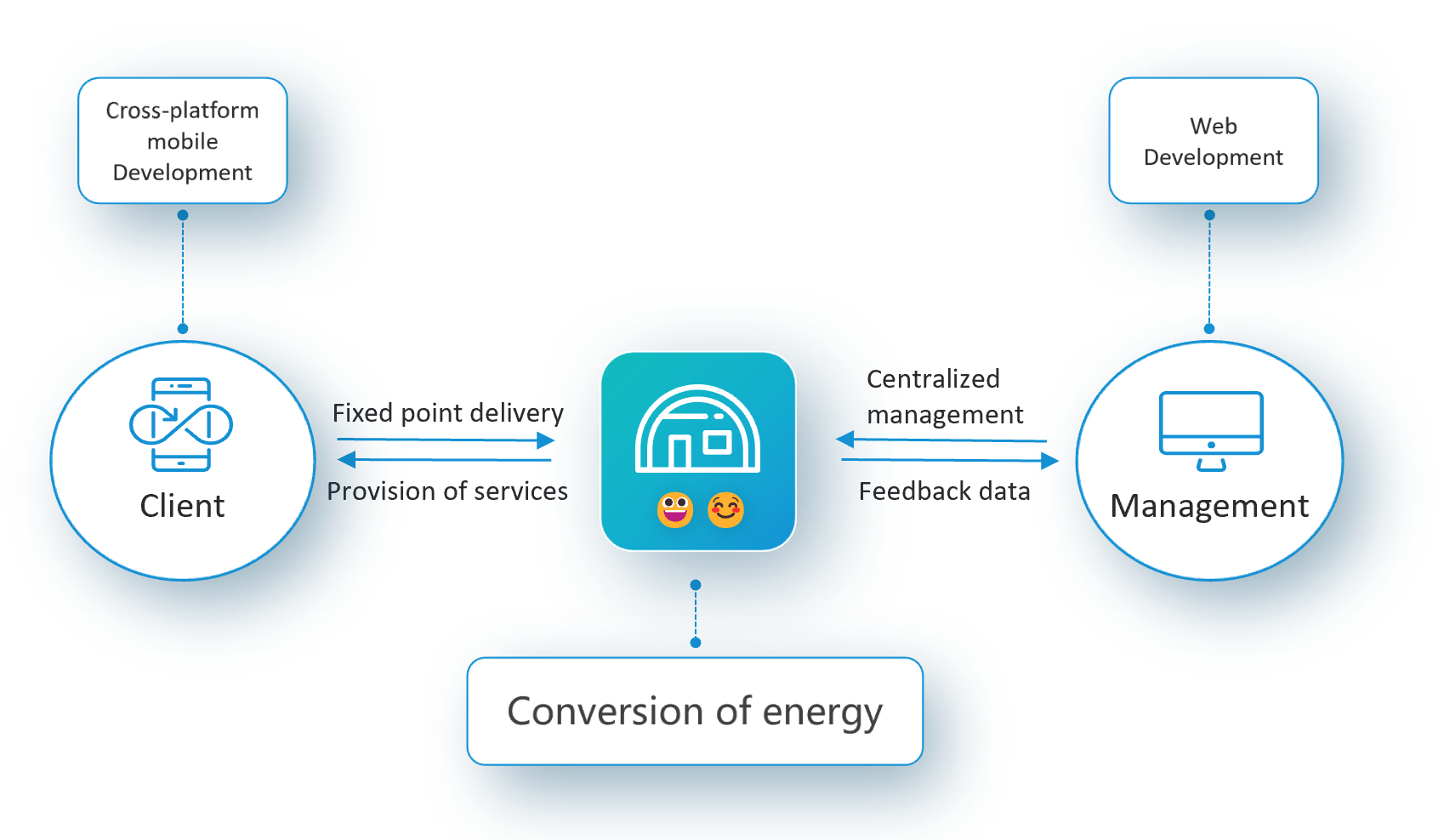
- mind map of project
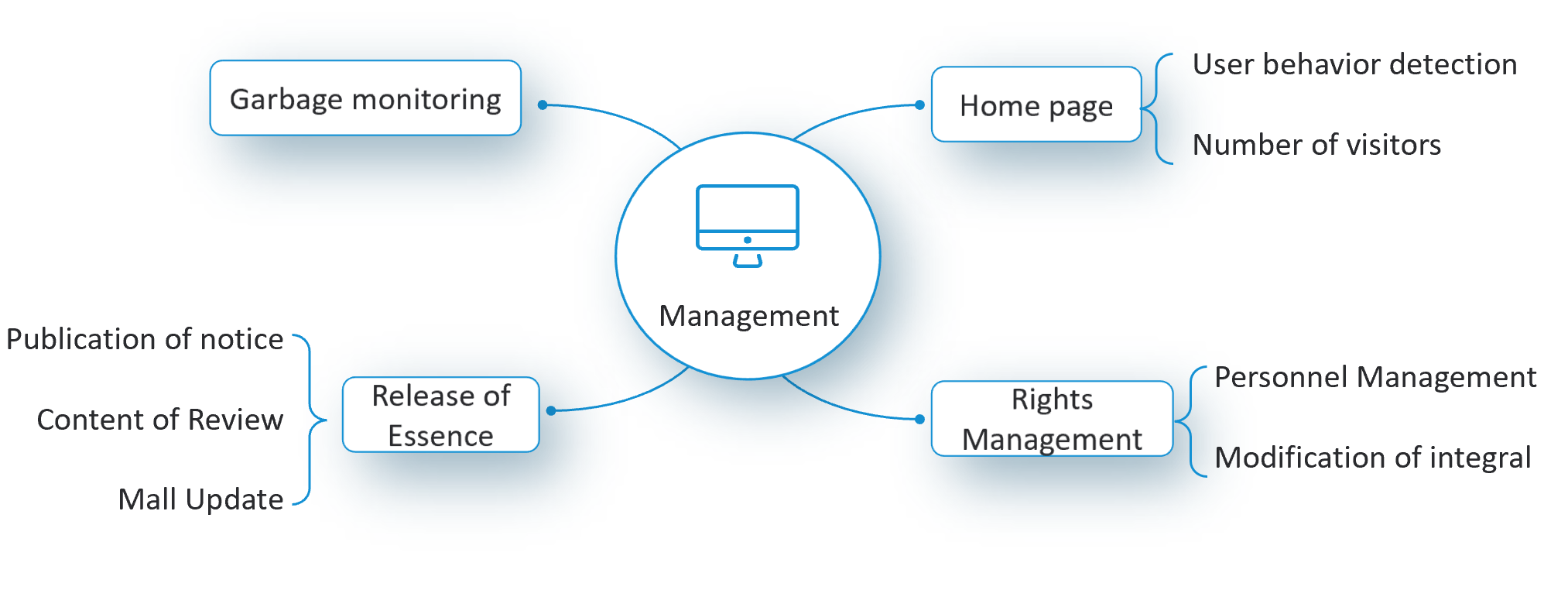
- mind map of Web Management
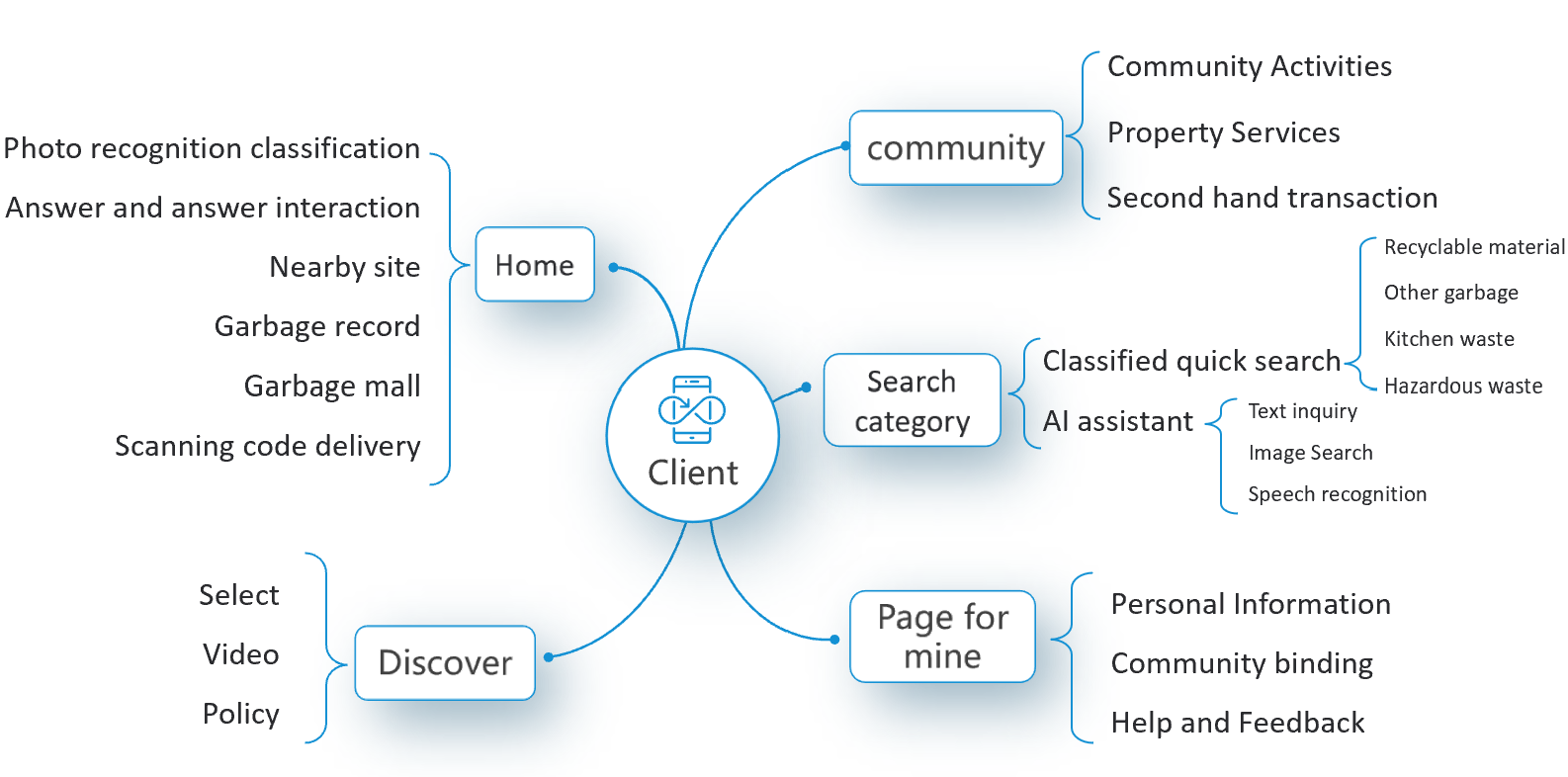
- mind map of App Client
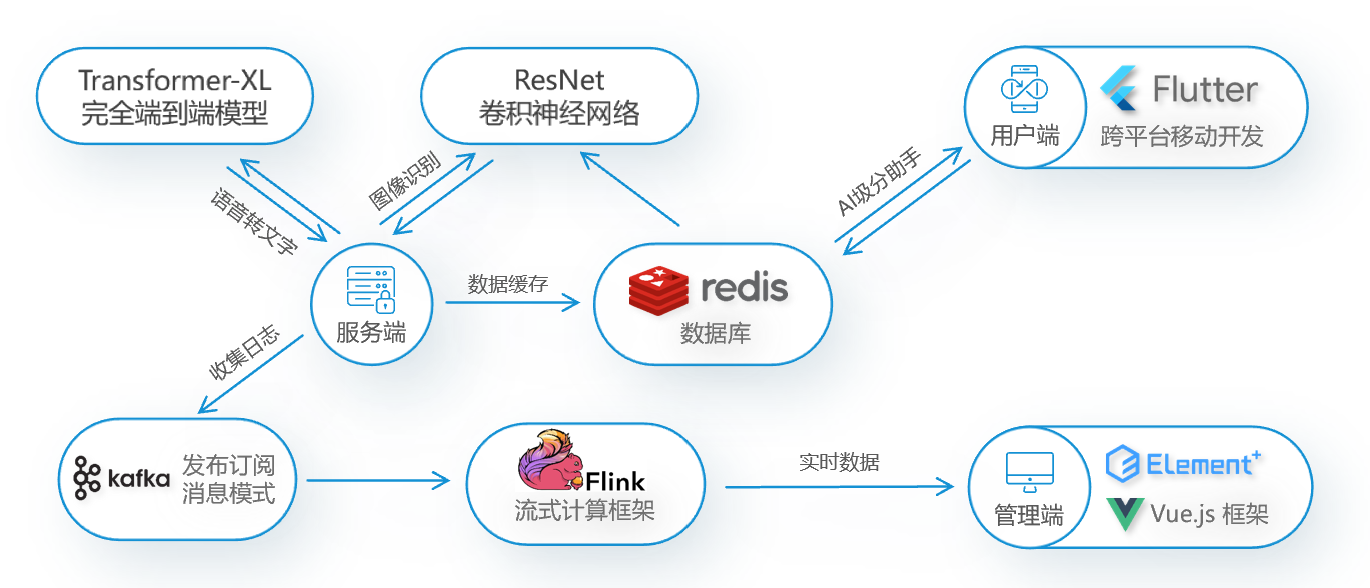
- mind map of technical framework
- mind map of project
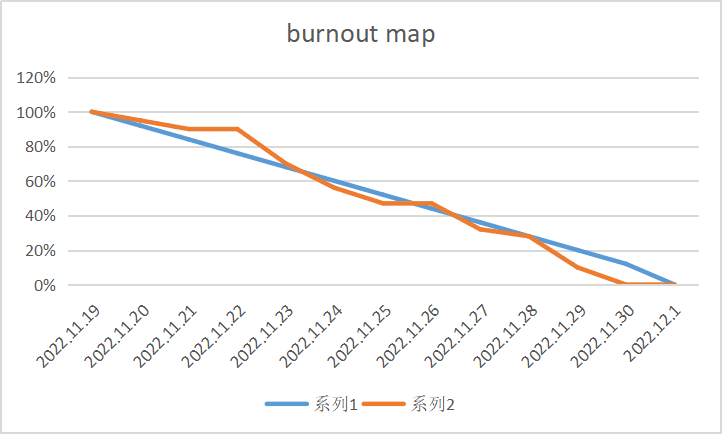
burnout map
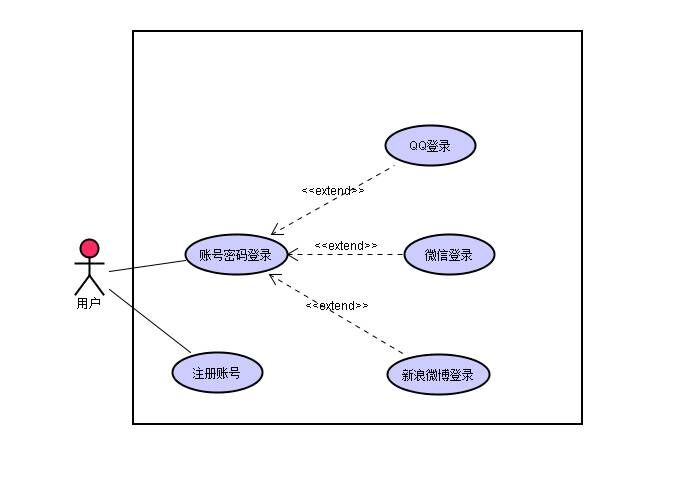
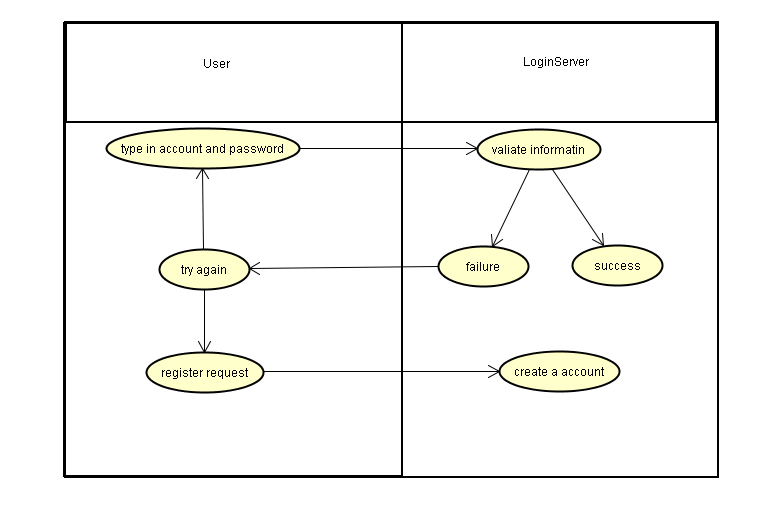
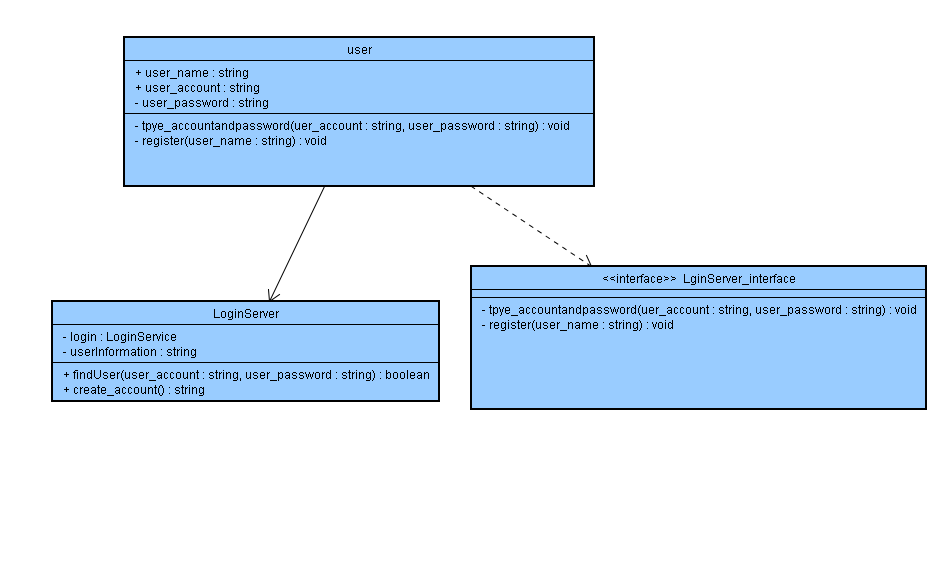
UML
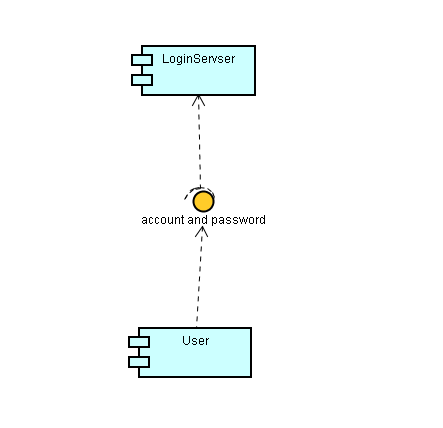
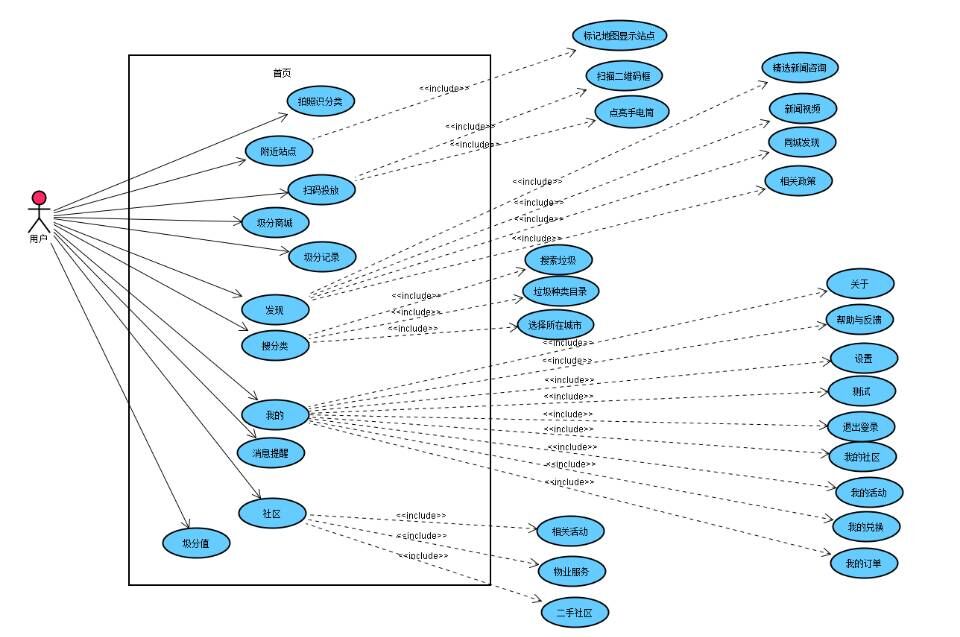
(1) Part APP Client
- Person in charge: LIN WENTAO,CAI RONGPEI, LU YI
- Description:Completed the client login registration, search classification, artificial intelligence chat, and second-hand shopping mall
- Problems faced by this part:How does AI chat distinguish query state from chat state
- Problems solved:Triggers the query mode by setting a fixed sentence
- Attachment: (All UML diagrams of this part)
(2) Part Database Administrator & Research and Development
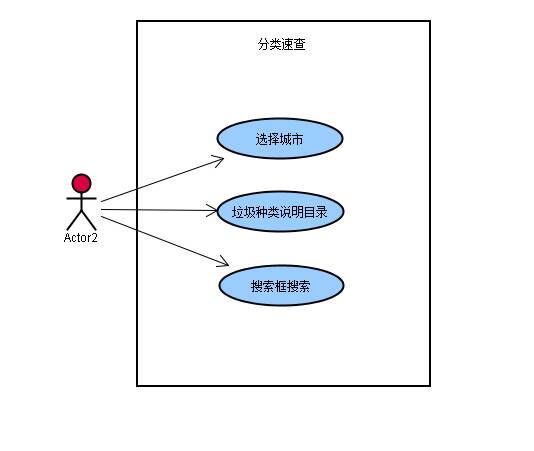
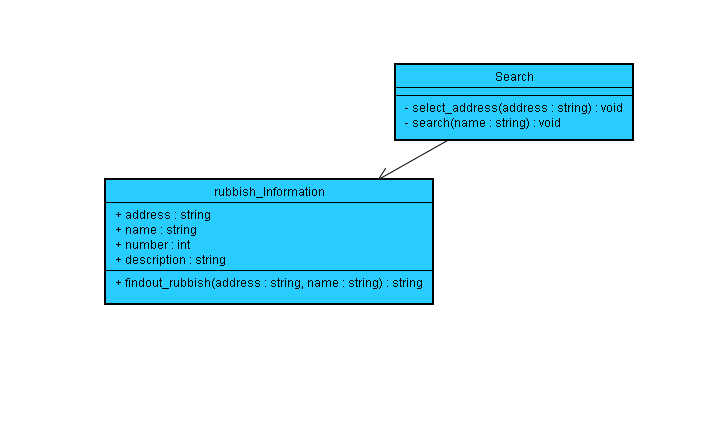
- Person in charge: LIAN WENYONG
- Description:Collecting login information, how to distinguish the types of garbage, and converting speech to text
- Problems faced by this part:how to distinguish the types of garbage
- Problems solved:Call Baidu interface
- Attachment: (All UML diagrams of this part)
- Learning Progress Bar
| Week N | New code (line) | Cumulative code (line) | Time spent on learning this week (hours) | Cumulative time spent on learning (hours) | Important growth |
|---|---|---|---|---|---|
| 1 | 1000 | 1000 | 6 | 6 | Determine the topic and draw the app prototype |
| 2 | 4000 | 5000 | 25 | 31 | According to the prototype drawing write the landing module and realize the interface docking and testing |
| 3 | 3000 | 8000 | 20 | 51 | Gradually implement the interface and ai algorithm model search |
| 4 | 1000 | 9000 | 10 | 61 | Personnel test work and other interface docking |
- Experience
Selection of UML design tools, reasons for selection and evaluation of tools after use
We used proccesson, which is easy for beginners to get started with.
Our team members expressed their appreciation after using this tool. It enabled us to have a closer understanding of the project architecture, and it also allowed us to reasonably arrange the development steps and processes.
What are the main difficulties in moving this project forward?
First of all, I have no experience in writing demand analysis report and do not know where to start.
Don't know what a UML diagram is?
To solve these problems:
The team leader divided the task into two parts: drawing the prototype and writing the software requirement specification, giving the overall time planning, and designating the person in charge of the two parts of the task;
The person in charge will refine the task, arrange the schedule, and designate specific personnel to complete the corresponding part;
Team members complete the corresponding content;
Such division of labor can improve efficiency, and it can accurately locate the problem and the problem solver, and quickly deal with the corresponding problem.
Since drawing the prototype and writing the software requirement specification can not be completed by a single person, but requires multiple people to collaborate online at the same time, we tried the Ink Knife enterprise edition, Tencent document, graphite, tower content sharing and production, which really greatly improved the efficiency. If you put all the content in qq group is inefficient, and disorderly, orderly in the online document will be more clear.
How do you solve this problem?
- Due to lack of relevant experience, we spent hundreds of millions of hours looking up relevant materials, such as Computer Software Documentation Specification, etc.
- The division of labor between the prototype group is clear, and the overall color of the interface fits the theme of the mini program, which is in line with the mainstream aesthetic.
- For the division of labor, we used online shared document editing and Tower task release and assignment, which greatly facilitated the cooperation among groups and reminded each other to complete corresponding tasks.
What have you got?
- Requirements analysis documents not only need to show front-end tasks, software flow charts and prototypes, but also the description of back-end work and task division is quite important, because the program ape is coded according to the requirements analysis document. Only a careful and carefully considered requirements analysis document as the premise, can the program ape understand what the requirements are and how to translate into the corresponding implementation details.
- I have a deeper understanding of division of labor and cooperation among team members, and have developed a preliminary understanding, which is ready for the next step of alpha sprint.
- Problems must be timely feedback and timely communication, because each homework is not given much time, and everyone is very busy, if the problem accumulation is not solved in time, it is likely to be buried for the follow-up work. Five minutes before the problem can be solved, if not done well, it is likely to take five days to solve the problem.
4、Video clip
相关推荐
CSharp 3.0 With the .NET Framework 3.5 Unleashed(english)
.- **Selection and Looping Statements**: These statements include `if`, `else`, `switch`, `while`, `do-while
DevExpress VCL v2012 vol 1.6源码-例子-帮助-part1
=================================注意:一共2个压缩包,这是第1个=================================DevExpress VCL v20
DevExpress VCL v2012 vol 1.6源码-例子-帮助-part2
=================================注意:一共2个压缩包,这是第2个=================================DevExpress VCL v20
DevExpress VCL 2012 vol 1.6源码、例子、帮助-Part2
=====注意:一共2个压缩分卷,这是第2个!=====DevExpress VCL v2012 vol 1.6 Delphi VCL.包含所有源码、例子、帮助支持Metro啦!What's New
DevExpress VCL v2012 vol 1.6源码、例子、帮助-Part1
=====注意:一共2个压缩分卷,这是第1个!=====DevExpress VCL v2012 vol 1.6 Delphi VCL.包含所有源码、例子、帮助支持Metro啦!What's New