FZU-SE-EE308-2022秋

04 Group - Sprint Log 3(12.10)
 墨衍会员 · AI 创作全网分发 墨衍智能分发 通过墨衍一键同步至各平台 可同步平台 CSDN微信公众号微博知乎掘金百家号博客园抖音小红书 你的文章也可以这样分发 墨衍会员 ¥399起/年,写一次发全网
我也要 关注 + 加入社区
墨衍会员 · AI 创作全网分发 墨衍智能分发 通过墨衍一键同步至各平台 可同步平台 CSDN微信公众号微博知乎掘金百家号博客园抖音小红书 你的文章也可以这样分发 墨衍会员 ¥399起/年,写一次发全网
我也要 关注 + 加入社区目录
- 1.The progress of task
- 1) The progress of each student:
- 2) Problems we met
- 3) The way to deal with them
- 2.The record of the stand-up meeting
- 1) meeting content
- 2) meeting process
- 3.Sprint project introduction
- 1) Github
- 2) Screenshots of the operation
- 3) The process
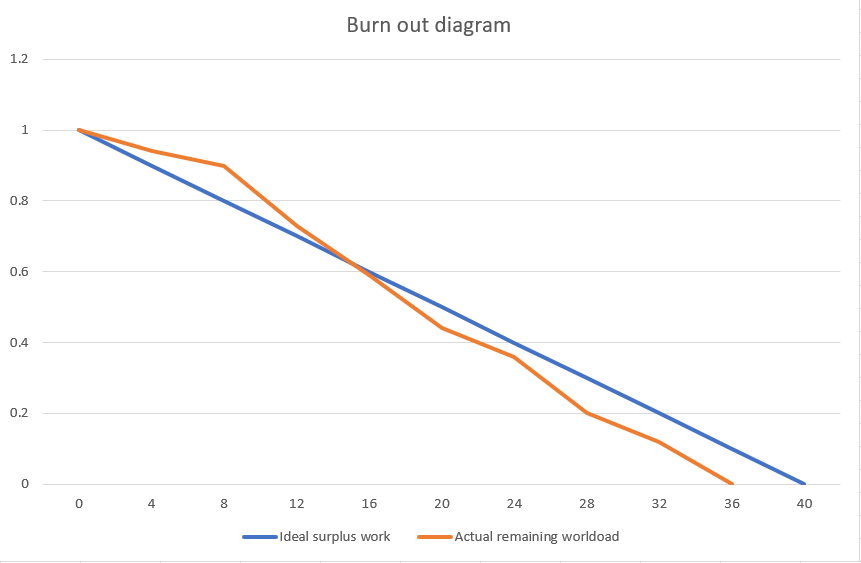
- 4) Burndown Chart
- 4.Team member contribution table
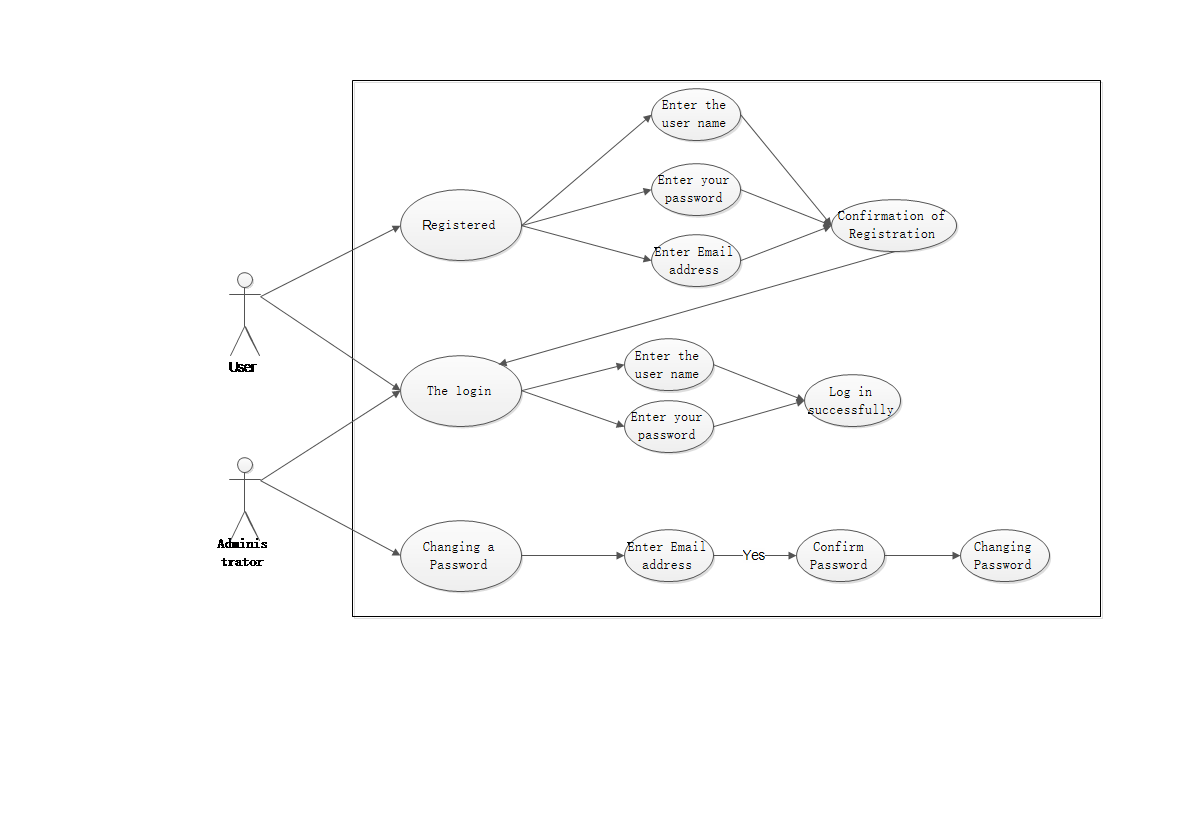
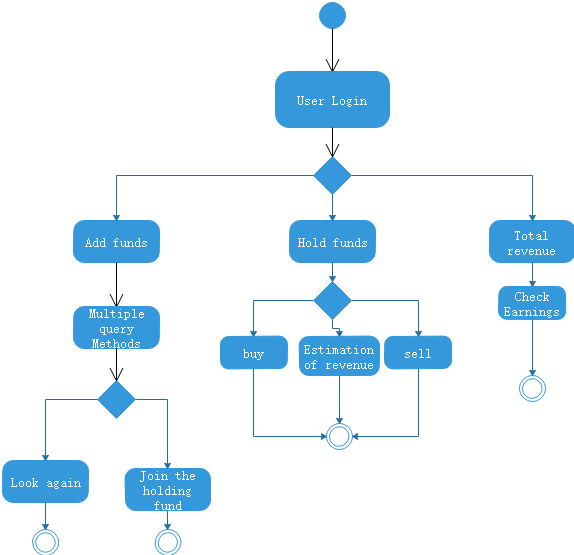
- 5.The implementation of the sub-use cases in the UML design
1.The progress of task
1) The progress of each student:
This task is all about the front end
| Team members | Task completed | Duration of the task | Remaining time |
|---|---|---|---|
| Li Liangkai | demand analysis | 5 hours | 7 Days |
| Qing Qiguo | Daily maintenance of database | -- hours | 7 Days |
| Tang Zijun | database conception structure design | 5 hours | 7 Days |
| Ma Yunjun | Physical Design of database | 14 hours | 7 Days |
| Xue Feiyang | Database logical structure design | 5 hous | 7 Days |
| An Yi | Physical Design of database | 14 hours | 7 Days |
| Peng Haitao | Test and trial run | 4 hours | 7 Days |
| Li Xing | Operation of the system | 8 hours | 7 Days |
| Li Hao | Physical Design of database | 14 hours | 7 Days |
| Zhou Zijun | demand analysis | 5 hours | 7 Days |
2) Problems we met
a. How to design the structure of various elements in the database table.
b. How to optimize the database caching mechanism.
3) The way to deal with them
a.First, all elements are put into the database, such as time, fund type, user name, fund increase, etc. First, write the first normal form, because the first normal form is too redundant, and then convert to the second normal form, and so on. After comparison test, we choose the third normal form, too much time will be wasted, and the third normal form is more moderate.the integration of the back end.
b.In order to climb the real-time valuation, the client accesses the API link, inputting the fund code to return the valuation, preventing the lag caused by excessive access. Finally, we choose not to store in the hard disk but in the memory, which can quickly read in and read out, and store various information in the memory. Can allow the customer to search directly return the data crawled within a minute, can greatly reduce the pressure on the server.
2.The record of the stand-up meeting
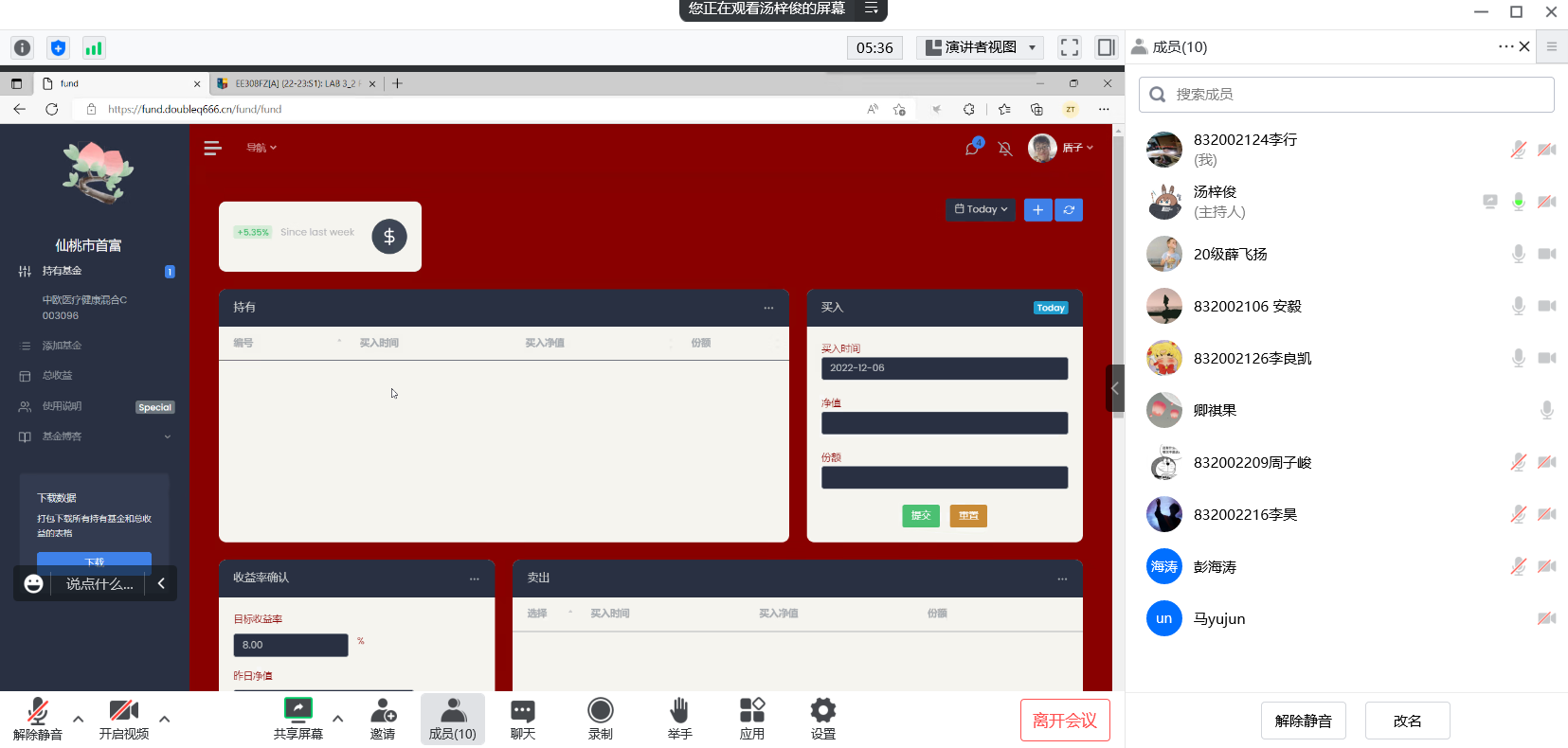
1) meeting content
Explore the structural design of various elements in the table of the database and discuss how to optimize the database cache.
2) meeting process
3.Sprint project introduction
1) Github
https://github.com/LittleMatcher/EE308FZ-fund
2) Screenshots of the operation
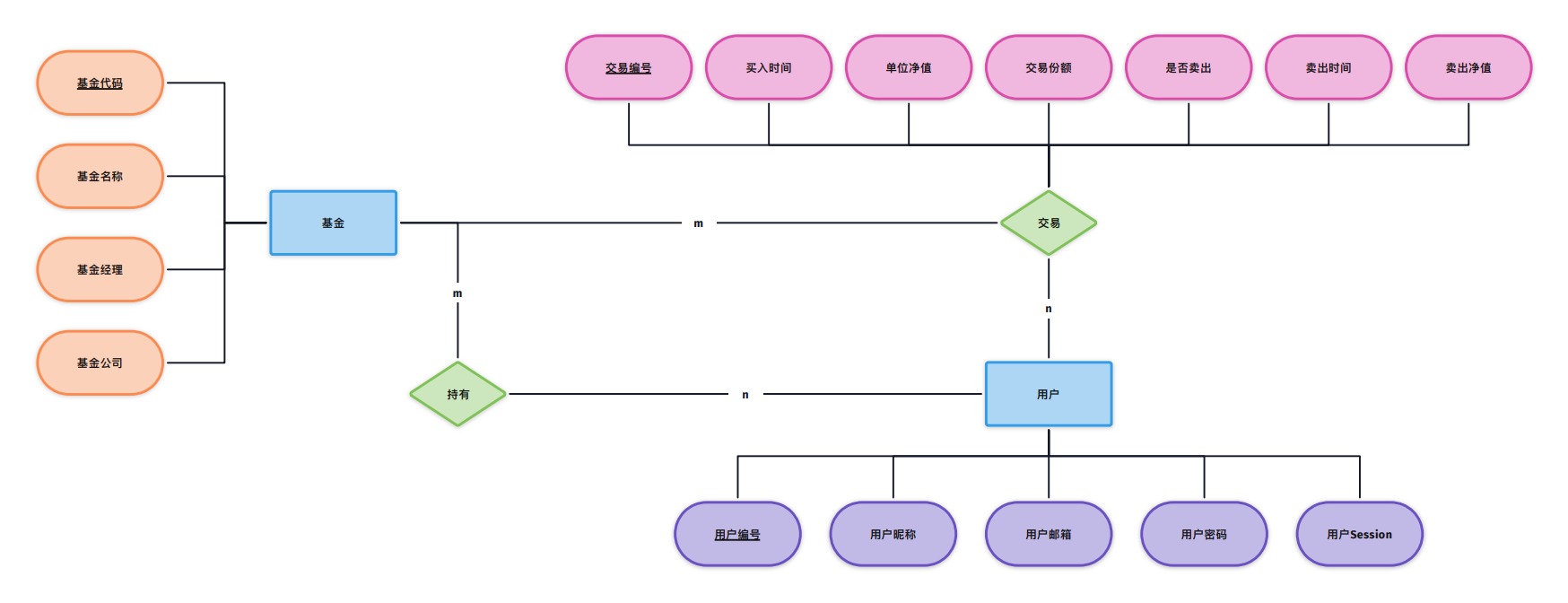
E-R model:
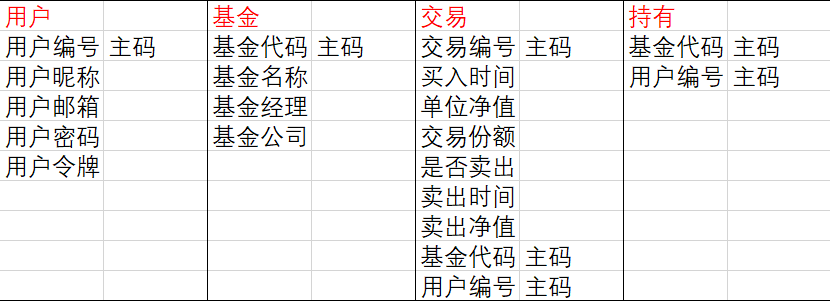
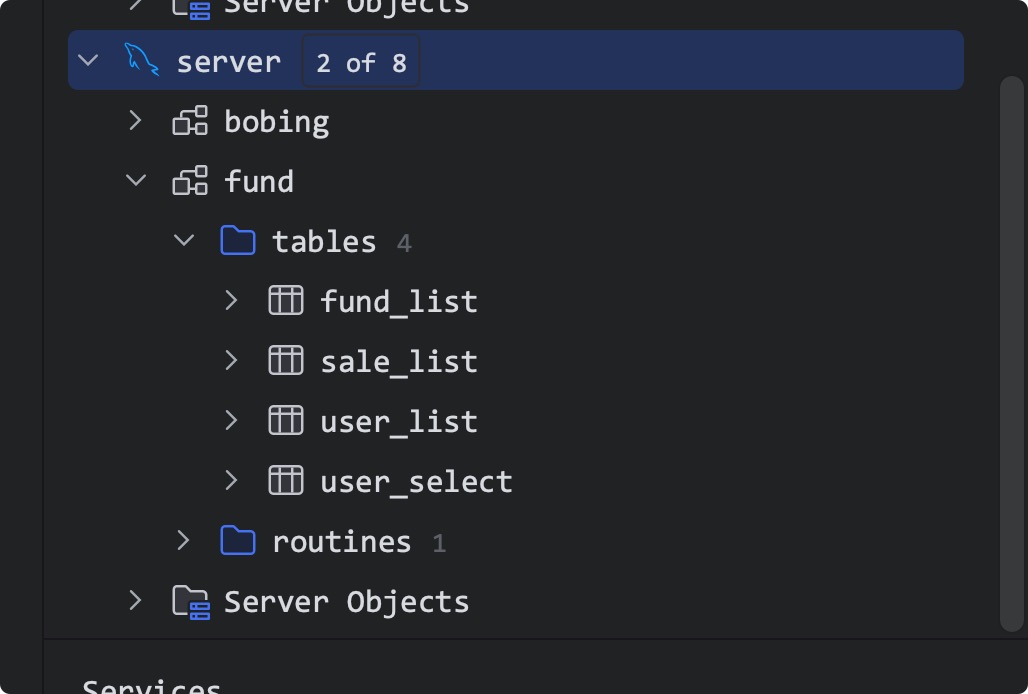
Model of relationship:
3) The process
The basic function of the database has been basically improved, and the speed can be relatively stable in the comparison of multiple access.
4) Burndown Chart
4.Team member contribution table
| Team members | Contribution(%) |
|---|---|
| Li Liangkai | 99 |
| Qing Qiguo | 109 |
| Tang Zijun | 99 |
| Ma Yunjun | 99 |
| Xue Feiyang | 99 |
| An Yi | 99 |
| Peng Haitao | 99 |
| Li Xing | 99 |
| Li Hao | 99 |
| Zhou Zijun | 99 |
| Total | 1000 |
5.The implementation of the sub-use cases in the UML design
相关推荐
8-07-14_MegaCLI for linux_windows
包含如下操作系统版本FreeBSDLinuxSolarisWindows分别对应如下目录 MegaCLI for DOS MegaCLI for Linux MegaCLI for Solar
JEP30-PX100A PartModel Product Guidelines for Electronic-Device Substrates and Assemblies – XML Requ
JEP30-PX100A PartModel Product Guidelines for Electronic-Device Substrates and Assemblies – XML Requirements
基于Matlab的自动睡眠粒状结构检测算法,从脑电信号中进行。.zip
1.版本:matlab2014a/2019b/2024b 2.附赠案例数据可直接运行。 3.代码特点:参数化编程、参数可方便更改、代码编程思路清晰、注释明细。 4.适用对象:计算机,电子信息工程、数学等专业的大学生课程设计、期末大作业和毕业设计。
JEP375 2.5D_3D Silicon thinned wafers with Through Silicon Vias (TSV’s) and Backside Redistribution
JEP375 2.5D_3D Silicon thinned wafers with Through Silicon Vias (TSV’s) and Backside Redistribution Layer (RDL).pdf
考虑供电可靠性与算力柔性的数据中心园区源‑储‑荷一体化规划研究(Matlab代码实现)
考虑供电可靠性与算力柔性的数据中心园区源‑储‑荷一体化规划研究(Matlab代码实现)内容概要:本文围绕“考虑供电可靠性与算力柔性的数据中心园区源-储-荷一体化规划”展开研究,提出了一种综合能源系统优化规划方法。该方法充分考虑数据中心对供电可靠性的高要求以及算力负载的灵活性特征,将电力供应、储能配置与计算负荷进行协同优化。通过建立数学模型,整合光伏发电、储能系统与数据中心负荷调度,利用Matlab代码实现优化求解,旨在提升能源利用效率、降低运营成本并增强系统韧性。研究涵盖了对新能源出力不确定性、负荷波动以及储能动态行为的建模与仿真分析,最终验证了所提一体化规划方案在提高供电可靠性和实现算力资源柔性调度方面的有效性。; 适合人群:具备一定电气工程、能源系统或计算机科学背景,从事数据中心、智能电网、综合能源系统等相关领域研究的研究生、科研人员及工程技术人员。; 使用场景及目标:① 为数据中心园区的绿色低碳与高可靠运行提供规划设计方案;② 实现可再生能源的高效消纳与储能系统的优化配置;③ 探索算力作为柔性负荷参与电力系统互动的潜力,支撑新型电力系统建设。; 阅读建议:此资源以Matlab代码为核心,辅以理论模型,建议读者在理解基本原理的基础上,动手运行和调试所提供的代码,通过修改参数和场景设置来深入掌握一体化规划的优化逻辑与关键技术细节。