04 Group - Sprint Log 4(12.12)

小火柴x_x 2022-12-23 16:30:21

目录

  • 1.The progress of task
  •  1) The progress of each student:
  •  2) Problems we met
  •  3) The way to deal with them
  • 2.The record of the stand-up meeting
  •  1) meeting content
  •  2) meeting process
  • 3.Sprint project introduction
  •  1) Github
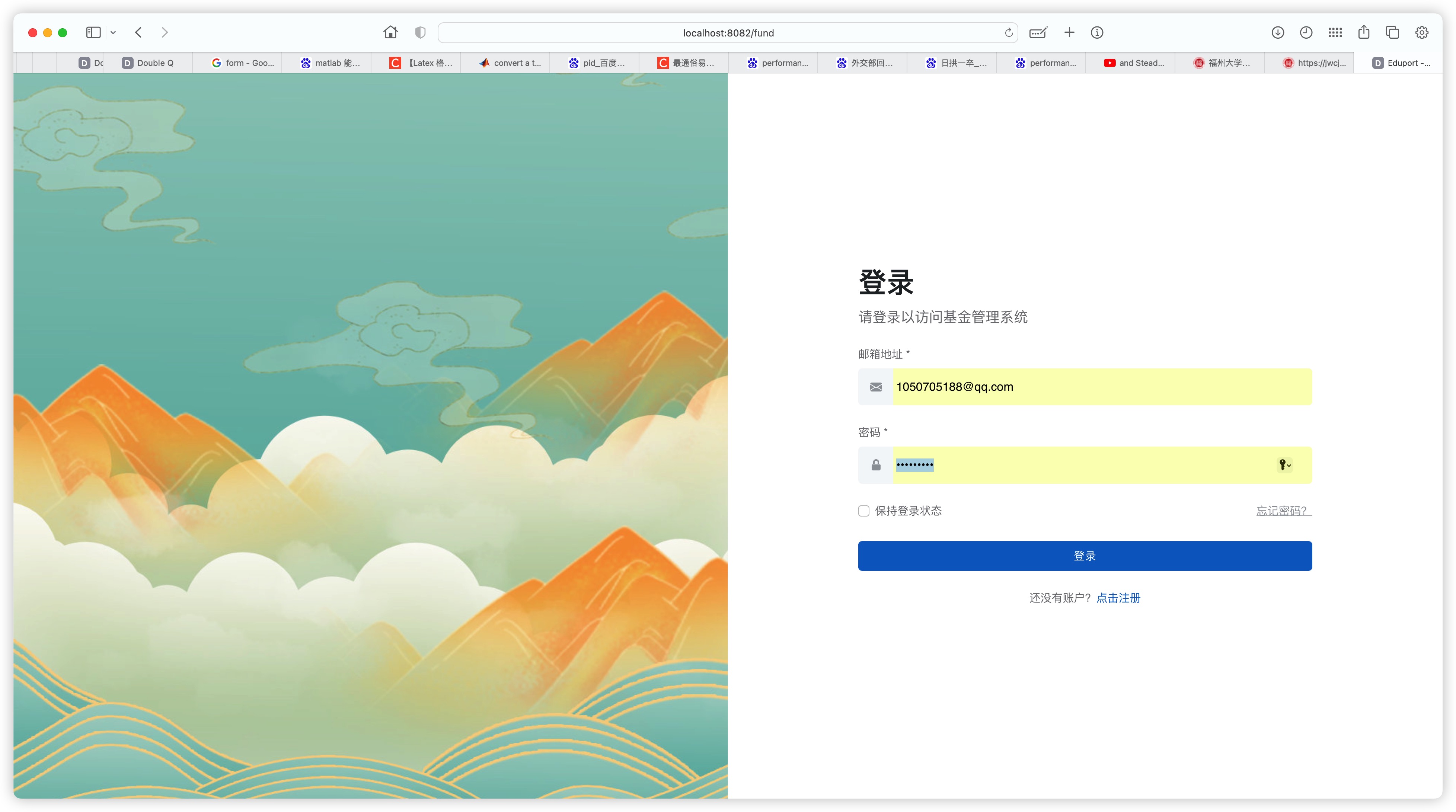
  •  2) Screenshots of the operation
  •  3) The process
  •  3) Burndown Chart
  • 4.Team member contribution table
  • 5.The implementation of the sub-use cases in the UML design
(Sofe blog)

1.The progress of task

 1) The progress of each student:

  This task is all about the front end

Team membersTask completedDuration of the taskRemaining time
Li LiangkaiJava23 hours9 Days
Qing QiguoJava23 hours9 Days
Tang ZijunSpring16 hours9 Days
Ma YunjunSpring Boot14 hours9 Days
Xue FeiyangSpring jbdc Template17 hous9 Days
An YiJsp)14 hours9 Days
Peng HaitaoServlet17 hours9 Days
Li XingCookie19 hours9 Days
Li HaoSession15 hours9 Days
Zhou ZijunSpring26 hours9 Days

 2) Problems we met

  a. How to implement the main functions.
  b. How to assemble and debug the various parts of the code.

 3) The way to deal with them

  Meeting to determine common code ideas. After each part is developed, the students responsible for each part will explain the development ideas again. Finally c--omplete the integration of the back end.

2.The record of the stand-up meeting

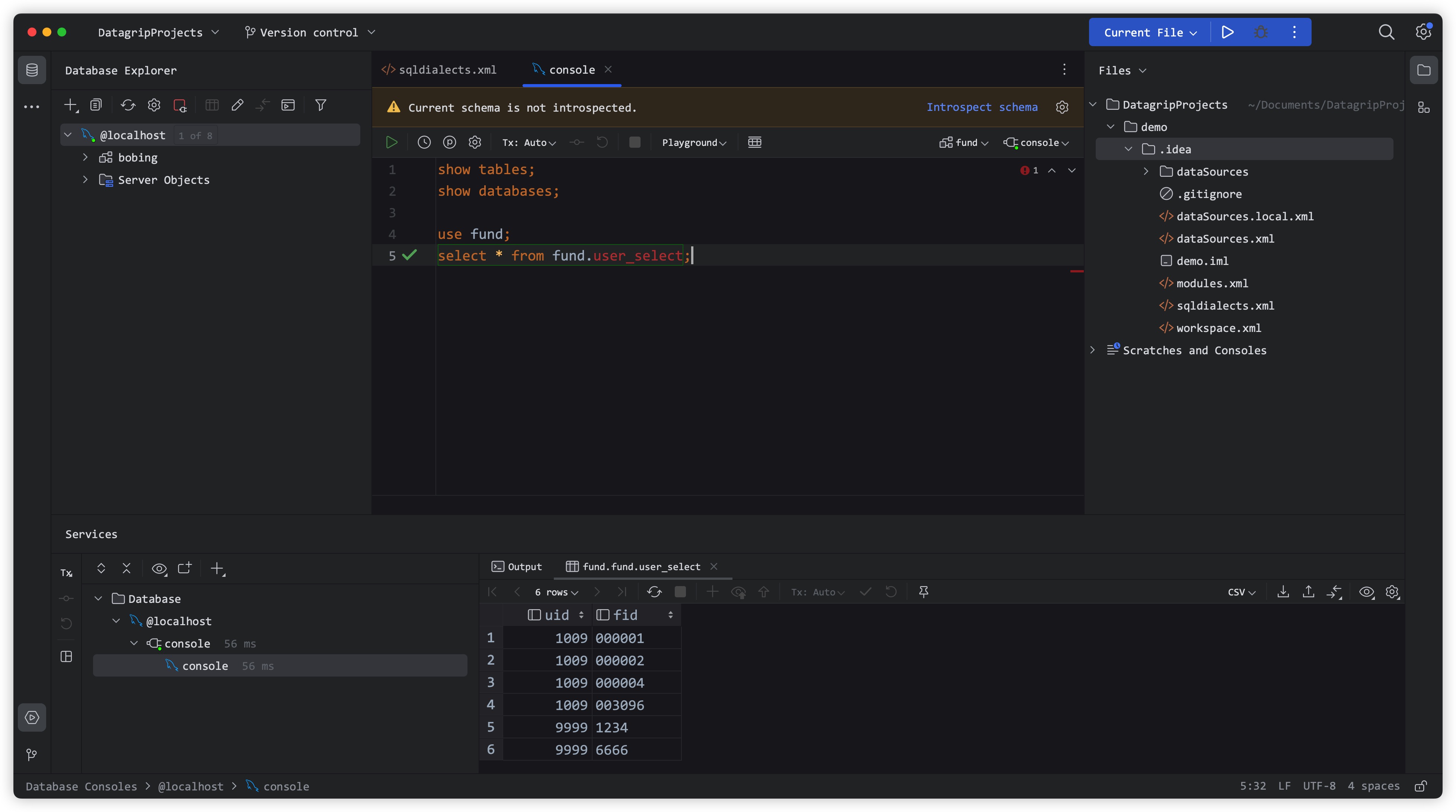
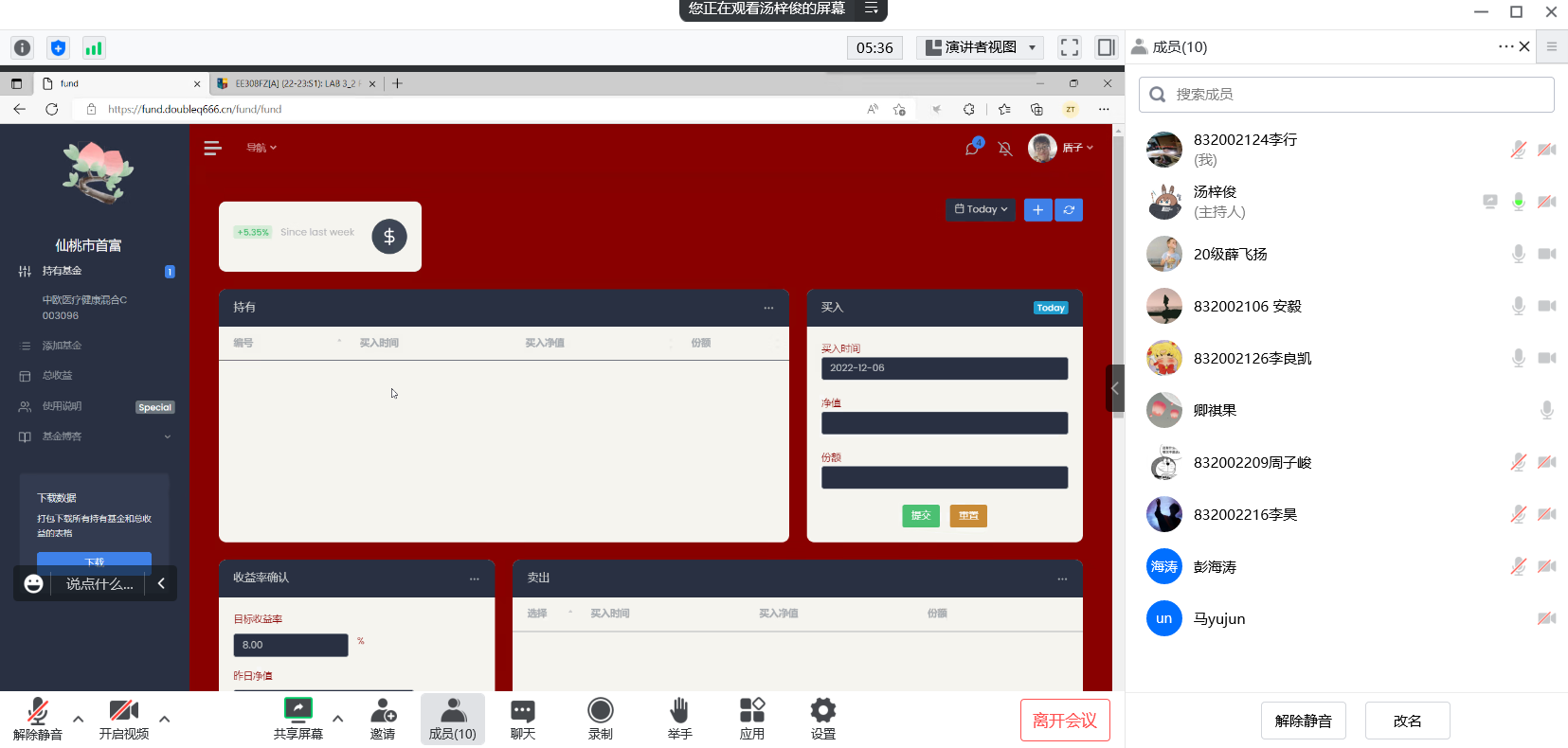
 1) meeting content

  Identify the code ideas for each section.
 2) meeting process

img

3.Sprint project introduction

 1) Github

  https://github.com/LittleMatcher/EE308FZ-fund
 2) Screenshots of the operation

img

img

img

 3) The process

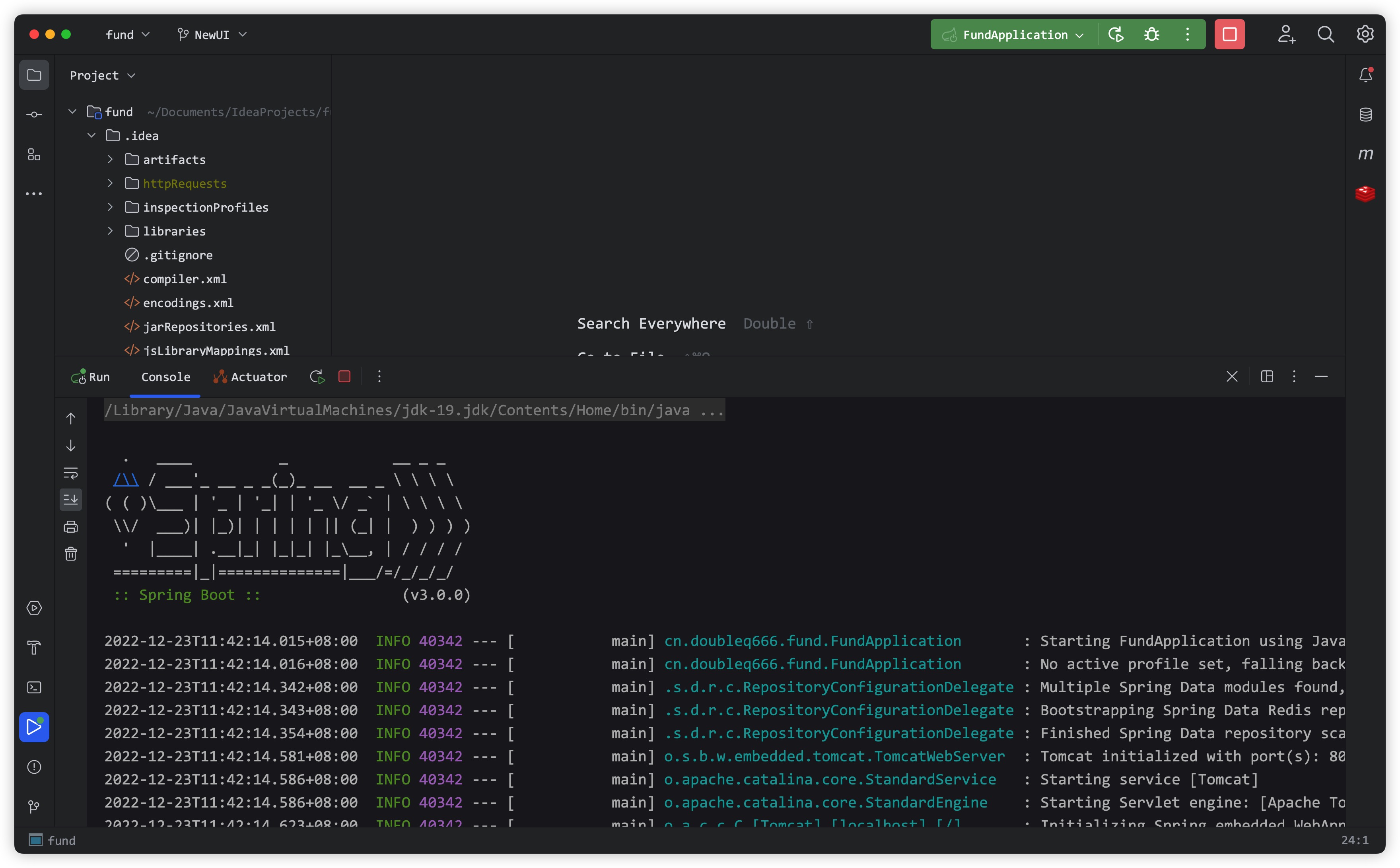
  The back-end development is basically complete.
 3) Burndown Chart

img

4.Team member contribution table

Team membersContribution(%)
Li Liangkai99
Qing Qiguo109
Tang Zijun99
Ma Yunjun99
Xue Feiyang99
An Yi99
Peng Haitao99
Li Xing99
Li Hao99
Zhou Zijun99
Total1000

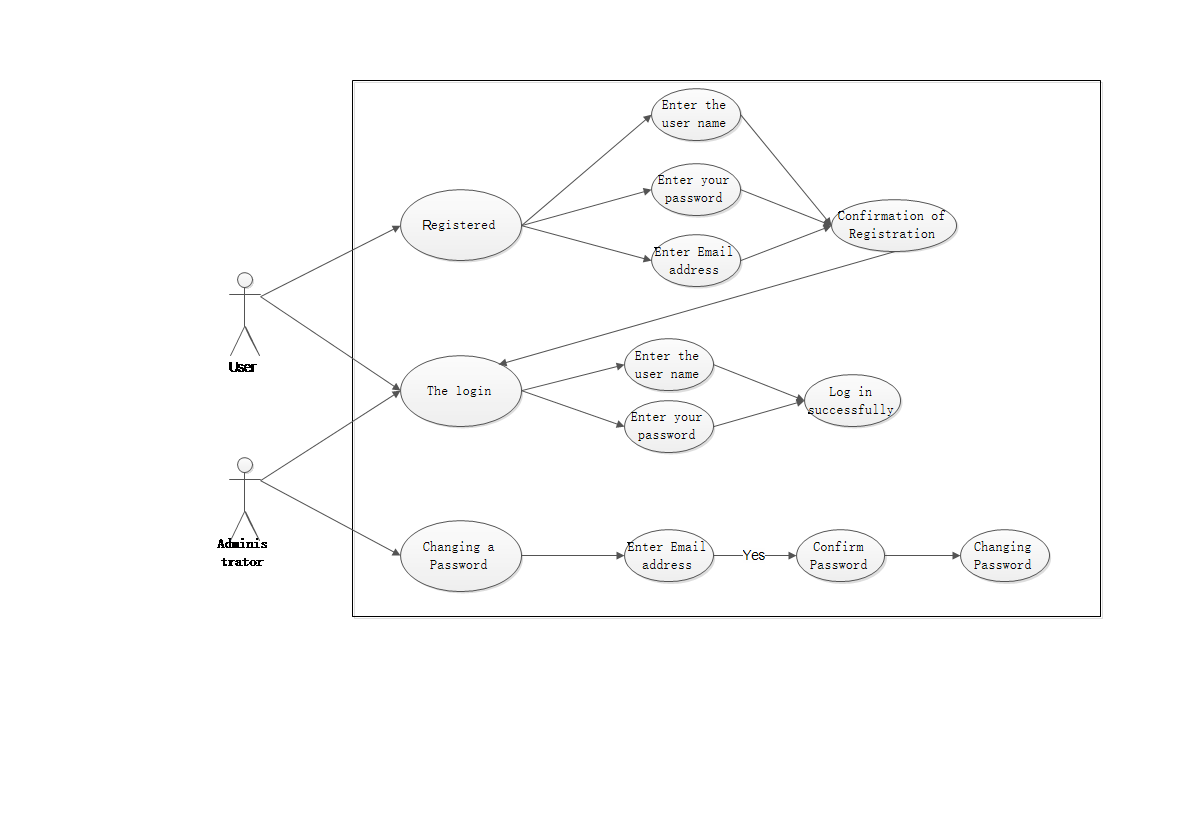
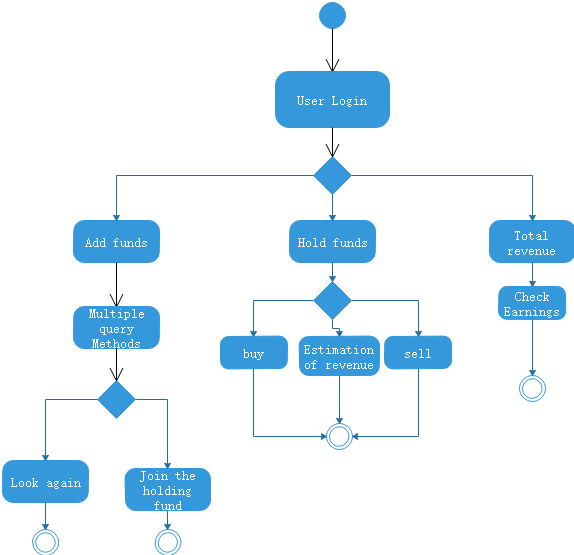
5.The implementation of the sub-use cases in the UML design

img

img

...全文
252 回复 打赏 收藏 转发到动态 举报
写回复
用AI写文章
回复
切换为时间正序
请发表友善的回复…
发表回复
内容概要:本文提出一种名为“特征层SMOTE”的新方法,用于解决工业故障诊断中常见的类不平衡与类间重叠问题,特别是在燃气轮机故障诊断中的应用。该方法采用“先分离、后增强”的技术框架:首先利用深度孪生多头自注意力网络(DSMHSA)学习一个可分离的特征空间,通过对比损失使同类样本紧凑、异类样本分离;随后在此高质量特征空间中对少数类故障样本进行SMOTE数据增强;最后使用Softmax分类器完成故障分类。实验表明,该方法在真实燃气轮机数据集和机器人故障数据集上均显著优于多种经典过采样与不平衡学习方法,提升了故障召回率与整体平衡准确率。; 适合人群:从事故障诊断、工业大数据分析、不平衡学习研究的科研人员与工程师,具备一定深度学习与机器学习基础的研究者; 使用场景及目标:①解决工业场景中故障样本稀缺且与正常样本高度重叠的问题;②提升深度学习模型在极度不平衡数据下的诊断性能,实现高灵敏度的早期故障检测; 阅读建议:本文强调问题分解与可解释性设计,建议读者重点关注其“先分离、后增强”的思想、对比损失的作用机制以及特征空间可视化的验证方式,结合t-SNE结果与消融实验深入理解各模块贡献,并可将其范式迁移至其他时序信号分析与少样本故障诊断任务中。

285

社区成员

发帖
与我相关
我的任务
社区描述
福州大学 梅努斯国际工程学院 软件工程(2022秋) 教学
软件工程 高校
社区管理员
  • LinQF39
加入社区
  • 近7日
  • 近30日
  • 至今
社区公告
暂无公告

试试用AI创作助手写篇文章吧