2301-MUSE

Sprint Essay3 -- EduShareHub
 墨衍会员 · AI 创作全网分发 墨衍智能分发 通过墨衍一键同步至各平台 可同步平台 CSDN微信公众号微博知乎掘金百家号博客园抖音小红书 你的文章也可以这样分发 墨衍会员 ¥399起/年,写一次发全网
我也要 关注 + 加入社区
This article mainly describes the main achievements of our team in the project development during the last 2 days of Beta Sprint. In this development cycle, we completed the construction of the database, and completed the user's survey report, sprint summary and other content.
| Which course does this assignment belong to | Software Engineering |
|---|---|
| Where are the requirements for this assignment? | https://bbs.csdn.net/topics/617676810 |
| Team Name | AppWhizzes |
| Project Name | EduShareHub |
| The objective of this assignment | Project summary for the last development cycle |
Ⅰ. SCRUM section
1. Lingjie Zhang
Database Development: Led the successful completion of the database development in the later stages of the Beta Sprint, ensuring data management efficiency.
Issue Resolution: Organized a comprehensive discussion to review and address lingering issues from the Alpha Sprint, fostering a collaborative problem-solving environment.
Mid-term Sprint Paper: Completed a detailed third sprint paper, summarizing achievements and paving the way for the next development phase.
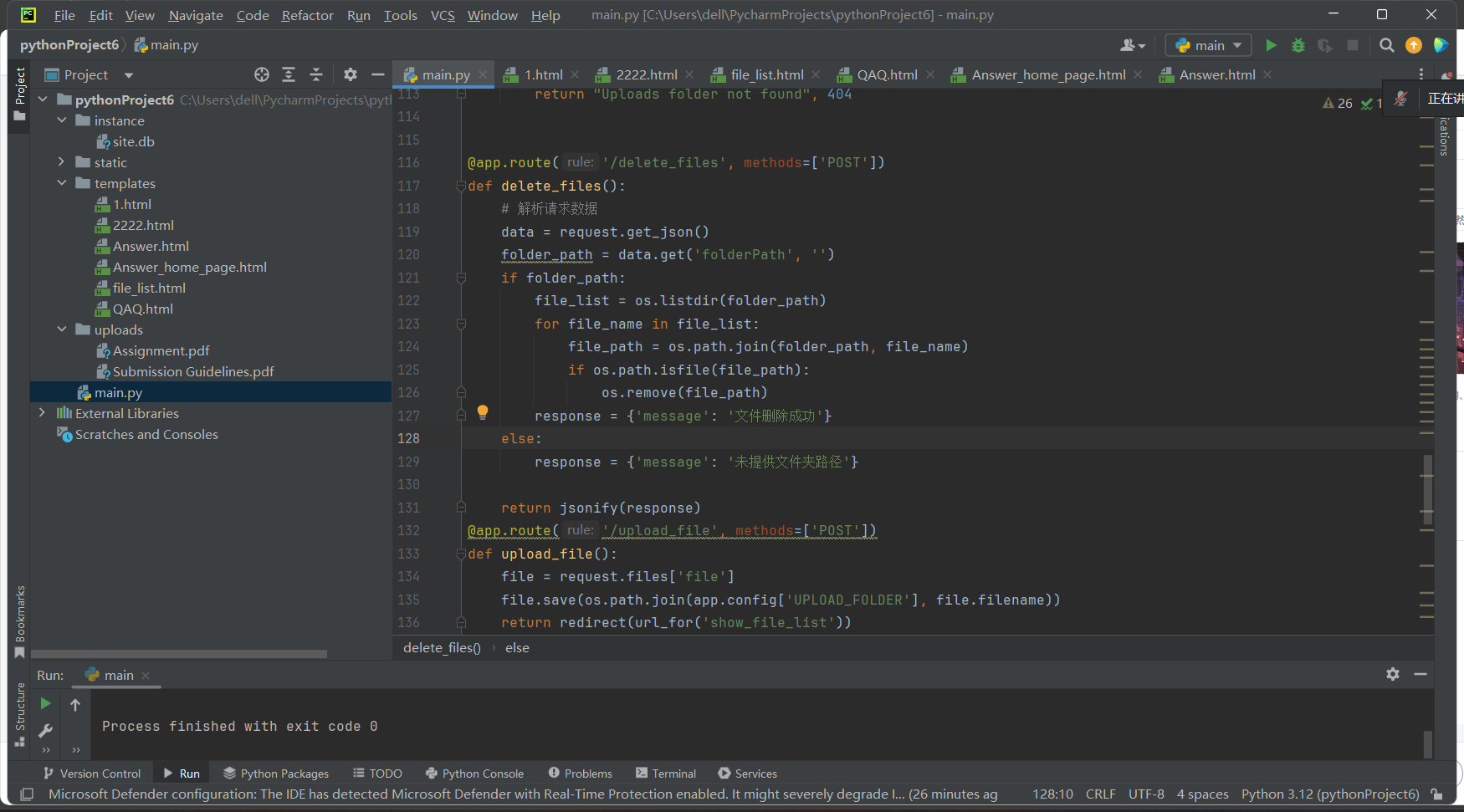
This database uses sqlite, which is very convenient to install and use, unlike mysql, which needs to be separate
2. Boyi Zhang
Database Development: Led the successful completion of the database development in the later stages of the Beta Sprint, ensuring data management efficiency.
Issue Resolution: Organized a comprehensive discussion to review and address lingering issues from the Alpha Sprint, fostering a collaborative problem-solving environment.
Mid-term Sprint Paper: Completed a detailed mid-term sprint paper, summarizing achievements and paving the way for the next development phase.

3. Yilin Zhang
Visual Enhancement: Successfully modified floating pictures on the main page, enhancing user guidance and improving the overall aesthetics of the platform.
Functionality Addition: Implemented a functional guide on the main page, contributing to a more user-friendly interface.
4. Chenghao Wang
Testing Proficiency: Acquired proficiency in testing tools, demonstrating an adept understanding of testing methodologies.
Compatibility Resolution: Successfully resolved compatibility issues during testing, ensuring the software's smooth operation.
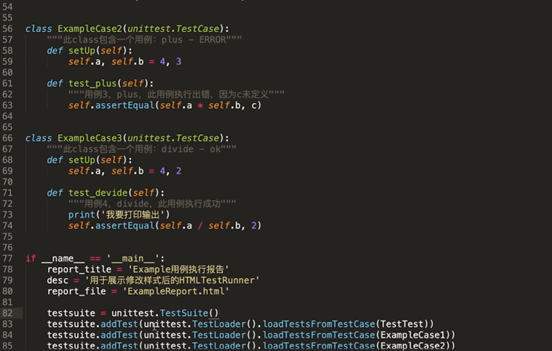
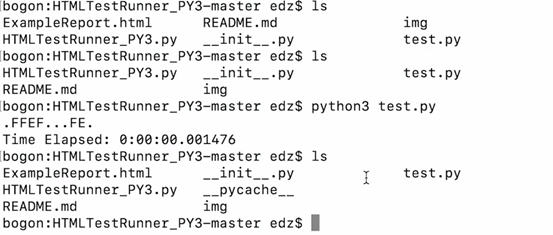
Difficulties: Initially faced difficulties with DNS Health Checker software
5. Longxuan Liao
Server Access Progress: Made progress in finding a solution for server access, displaying determination in overcoming technical hurdles.
Project Foresight: Emphasized the importance of anticipating and planning for potential issues, contributing to the team's strategic thinking.
Difficulties: Unable to import code into the server properly to complete the page.
6. Ziyun Ouyan
Commitment Despite Challenges: Currently recovering from illness but expressed commitment to contribute upon recovery.
Team Collaboration: Demonstrated dedication to the team despite personal challenges, fostering a supportive team environment.
7. Zixuan Zhao
Front-end Interface Update: Worked on importing QA message interface user questions and updating the front-end interface.
Back-end Challenges: Faced difficulties in the back-end database, to be discussed during the stand-up meeting for collaborative problem-solving.
Stand-up Meeting Arrangements: Will provide an update on progress and seek assistance for back-end challenges.
Difficulties: Facing difficulties in the back-end database.
8. Jiaying Zhang
Completed page layout adjustment and improved functions, addressing front-end and back-end differences.
Successfully summarized the Beta Sprint achievements in a comprehensive conclusion paper.
Despite spending significant time on code specifications, contributed to enhancing overall system functionality.
9. Jianhang Zheng
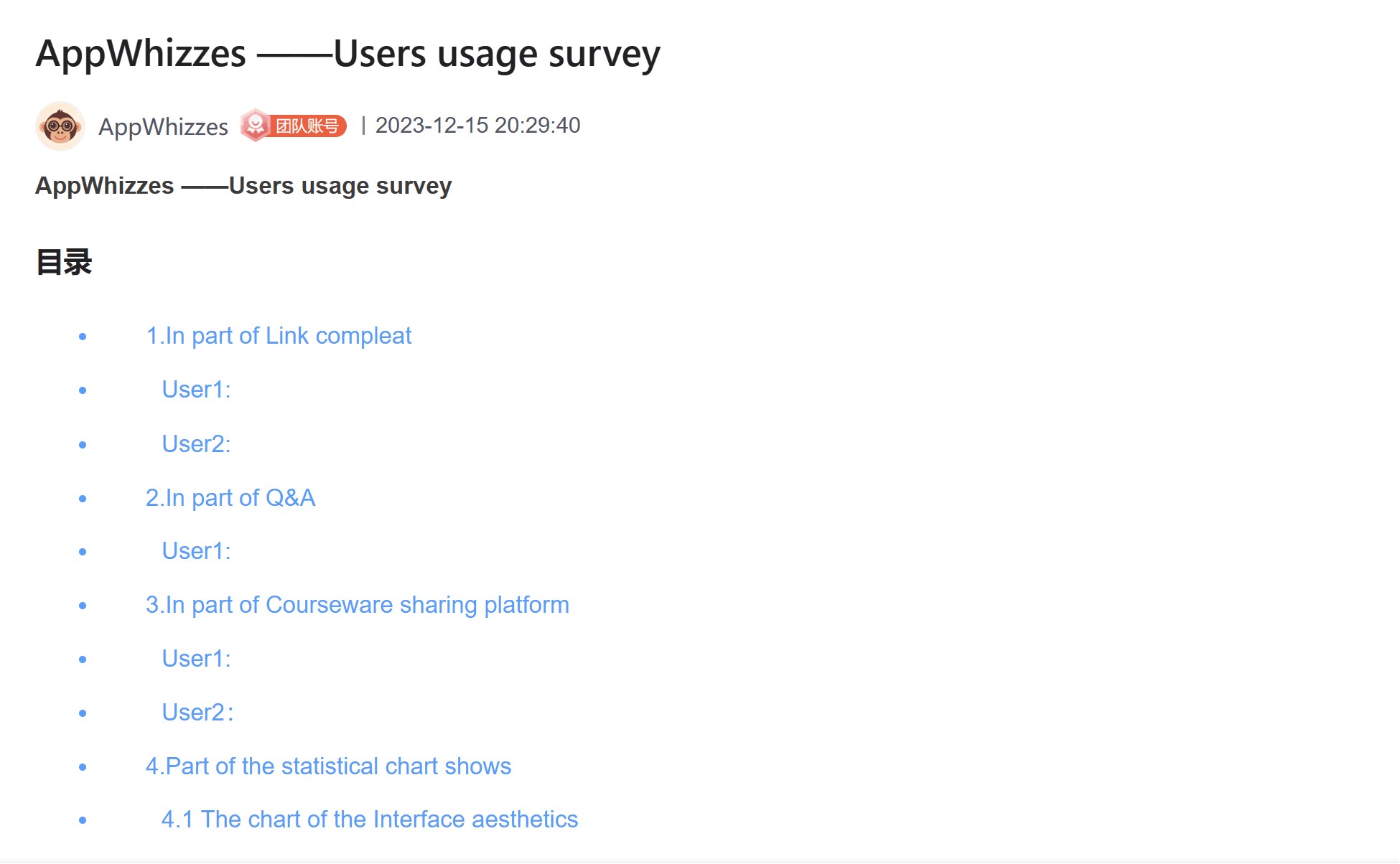
Successfully completed a user survey about the software, including questionnaire design, user investigation, and response compilation.
Recognized challenges in ensuring a representative sample and analyzing diverse user responses, providing valuable insights for future surveys.
Difficulties: Faced challenges in ensuring a representative sample and analyzing diverse user responses.
10. Weixiang Lin
Focused on rigorous testing, addressing unforeseen bugs and compatibility issues.
Emphasized the need for more robust error handling and adaptive code, highlighting areas for improvement in documentation and communication.
Difficulties: Emphasized the need for more robust error handling and adaptive code.
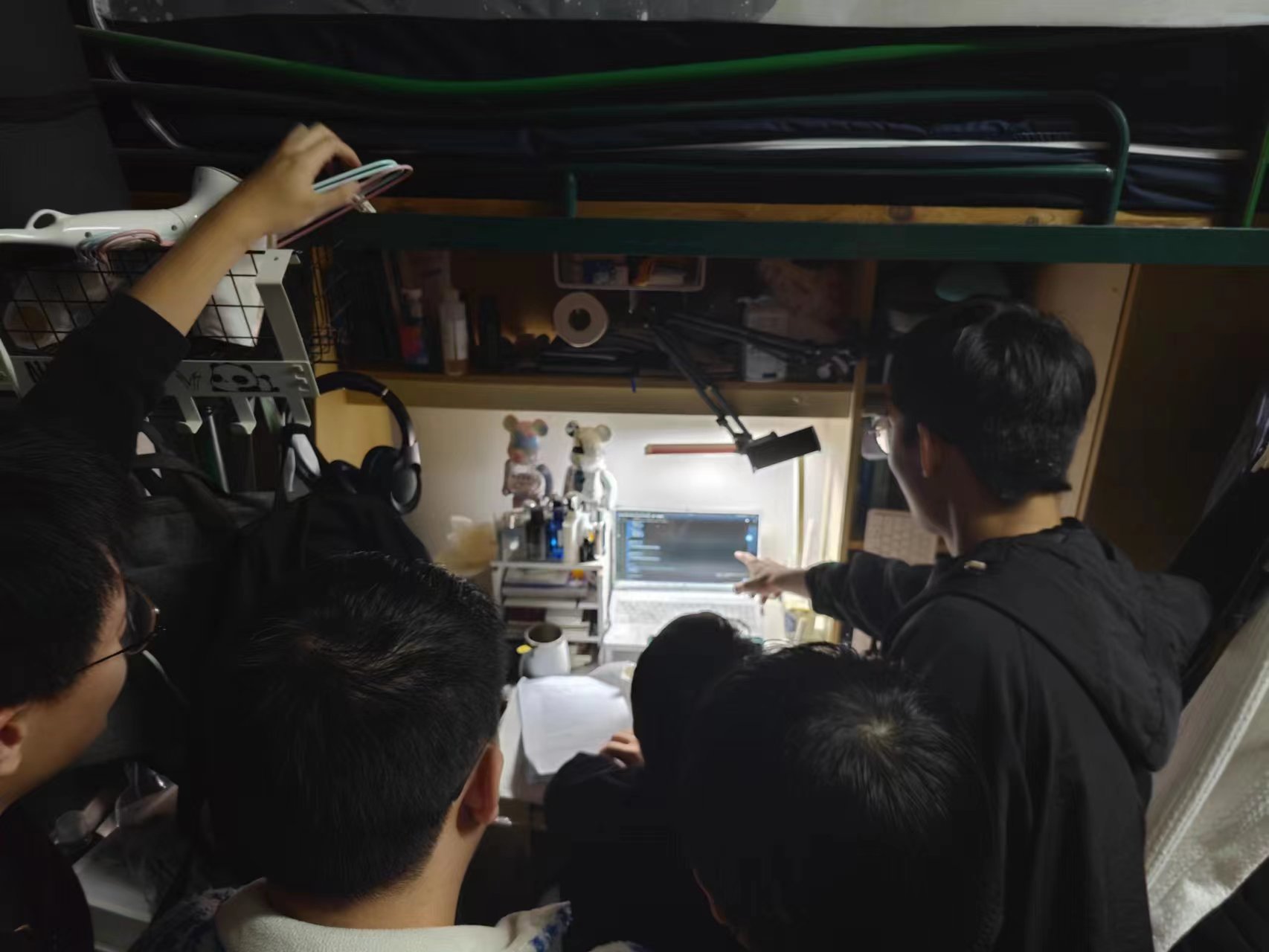
11.SCRUM meeting
Ⅱ. PM report
1.Project problem summary
(1)Expected task
Construction of servers
Due to various factors such as inadequate technology and scheduling during alpha testing, the website is still unable to run on the backend server and can only achieve partial functionality in both the front-end and back-end. Therefore, in the upcoming beta sprint phase, our team needs to implement server construction. After many considerations, we considered using pagoda panel to build the server.
Improvement of website interface aesthetics
The layout of our courseware upload interface is very different from that of the main page, and the layout of the question and answer part is very different from that of the main page, which makes our switching between plates a little unnatural. We need to coordinate the styles between various plates to make the whole look more coordinated and more formal.
Back-end database access
In this development cycle, we successfully access the database, and completed the courseware upload and question answer part of the access, which makes the uploaded files can be permanently stored in the website, no longer empty after exiting the website as before. This is undoubtedly a major step forward.
Supplement to question section
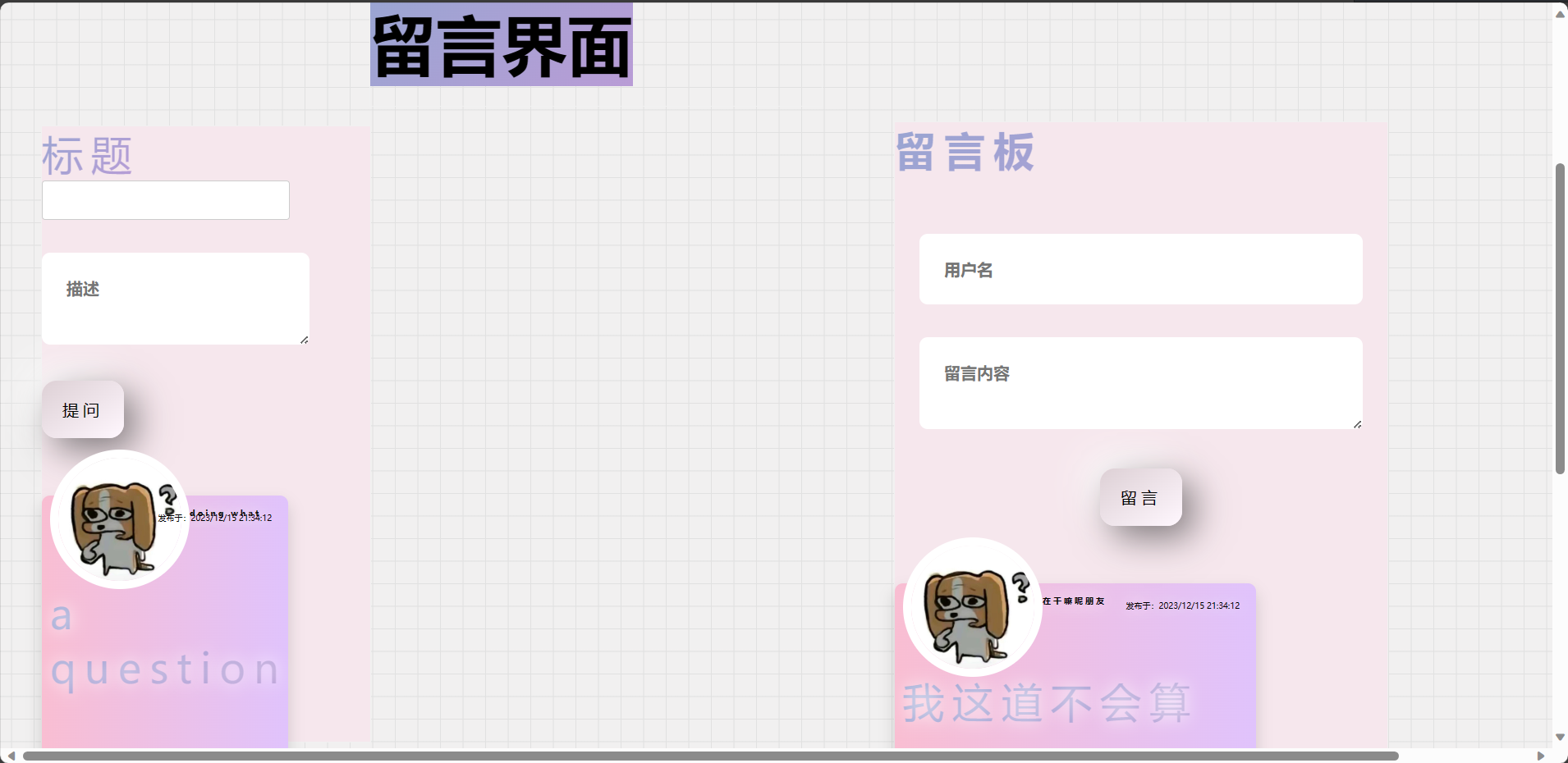
In the question question, there was a bug that could not be sent out correctly in our previous question question. After this modification, we can send out the question smoothly and wait for other users to solve it.
(2)Completed task
Improvement of website interface aesthetics
We added some instructive images by scrolling through the images to guide new users through the forum.
Back-end database access
Supplement to question section
(3)The problem that hasn't been solved
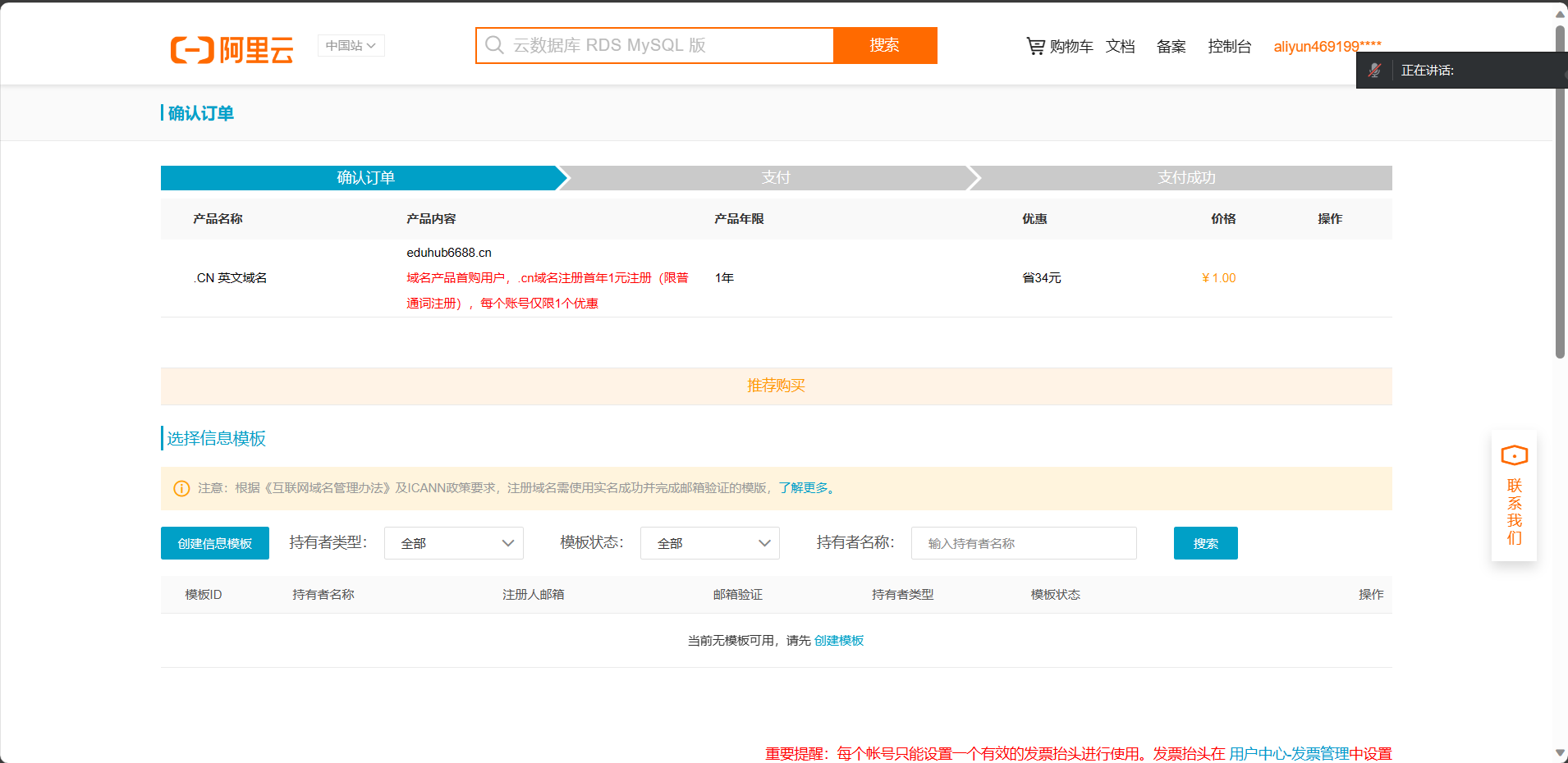
However, in this development cycle, our server docking stage is at a standstill, during the development process, we can not smoothly import the code in our website, the main problem is that the domain name can not be smoothly created, its price is too high and the personal information is unknown at the time of creation. However, in this development cycle, our server docking stage is at a standstill, during the development process, we can not smoothly import the code in our website, the main problem is that the domain name can not be smoothly created, its price is too high and the personal information is unknown at the time of creation. So this is holding us up when we import the server
2. Burn-up chart
相关推荐
电力系统风储联合一次调频仿真模型(Simulink仿真实现)
内容概要:本文介绍了一种基于Simulink平台构建的电力系统风储联合一次调频仿真模型,旨在实现风力发电与储能系统在电网频率调节中的协同响应。模型综合考虑风电功率波动特性、储能系统的充放电控制策略及其在频率偏差下的协调控制机制,通过引入一次调频控制环节,使风储系统具备类似传统同步机组的惯性与阻尼响应能力。仿真系统涵盖了频率信号检测、功率分配算法、储能出力限值与恢复控制等关键模块,能够有效评估风储联合系统对电网频率波动的抑制效果,并验证控制策略的技术可行性与动态性能。; 适合人群:具备电力系统分析、新能源并网控制或自动控制理论基础,从事风电、储能系统集成、微电网控制或电力系统稳定研究的研究生、科研人员及工程技术人员。; 使用场景及目标:①研究高比例可再生能源接入背景下电网频率稳定性问题;②验证风储联合参与一次调频的协调控制策略有效性;③支撑相关科研课题的仿真验证、学术论文撰写及工程项目的技术方案设计。; 阅读建议:建议结合Matlab/Simulink环境实际运行模型,深入理解各功能模块的参数配置与控制逻辑,可通过调整控制参数或拓扑结构进一步开展二次调频、多能互补协调优化或构网型控制策略的拓展研究。
风光储共交流混合微电网并网发电系统仿真(Simulink仿真实现)
内容概要:本文围绕风光储共交流混合微电网并网发电系统的仿真展开,基于Simulink平台构建了集风力发电、光伏发电与双向储能系统于一体的三相并网发电模型,实现了多能源协同运行控制。系统涵盖了光伏Boost升压、储能充放电管理、并网逆变控制等关键技术环节,重点研究了微电网在并网模式下的能量协调控制策略及其动态响应特性。通过仿真分析验证了系统在不同工况下的稳定性与可靠性,为实际工程应用提供了有效的技术支撑。文中还引入智能优化算法(如PSO-DWA)进行参数优化,并结合MATLAB/Simulink完成完整的建模与仿真分析流程,提升了系统控制精度与运行效率。; 适合人群:具备电力系统、新能源发电或自动化等相关专业背景,熟悉MATLAB/Simulink仿真工具,从事微电网、分布式能源系统研究的研究生、科研人员及工程技术人员。; 使用场景及目标:①开展风光储混合微电网的并网控制策略研究;②学习多能源系统在Simulink中的建模与仿真方法;③掌握储能系统协调控制与能量管理策略的设计与实现;④为科研项目、毕业设计或实际工程项目提供仿真验证与技术支持。; 阅读建议:建议读者结合文中提供的完整资源(如仿真模型、参考文献等)进行实践操作,重点关注系统建模流程与控制策略实现细节,并通过调整参数观察仿真结果变化,以深入理解微电网的能量协调机制与动态运行特性。
罗技驱动lghub-V2021.11.1775(2021年10月9日数字签名)
罗技驱动lghub_V2021.11.1775(2021年10月9日数字签名)
qemu-8.0.5.tar.xz
qemu-8.0.5.tar
基于电流+功率2种MPC模型预测控制三相并网逆变器闭环仿真【电流预测+功率预测】
内容概要:本文围绕基于电流和功率两种模型预测控制(MPC)方法对三相并网逆变器进行闭环仿真研究,系统阐述了电流预测与功率预测两种MPC策略在逆变器控制中的实现原理、动态响应特性及控制精度。通过Simulink平台搭建完整的仿真模型,深入分析并对比两种方法在稳态性能、抗干扰能力、系统鲁棒性等方面的差异,涵盖预测模型构建、目标函数设计、约束处理及优化求解等关键技术环节,旨在为高性能并网逆变器的控制器设计与参数优化提供理论依据和仿真验证手段。; 适合人群:具备电力电子、自动控制或新能源发电系统基础知识,从事相关领域研究的研究生、科研人员及工程技术人员。; 使用场景及目标:①掌握模型预测控制在三相并网逆变器中的具体应用方法;②深入比较电流型MPC与功率型MPC在动态性能、稳态精度和鲁棒性方面的控制差异;③为实际工程中逆变器控制器的设计、优化与性能评估提供可靠的仿真支持; 阅读建议:建议结合提供的Simulink仿真模型同步学习,重点关注预测模型的建立过程、代价函数的构成要素以及系统约束条件的处理方法,并通过调整控制器参数观察不同工况下的系统响应,从而深入理解模型预测控制的核心机制与工程实现细节。