EdgeX中文社区

EdgeX 设备微服务之西门子 S7 -- device-s7 完整使用手册
 墨衍会员 · AI 创作全网分发 墨衍智能分发 通过墨衍一键同步至各平台 可同步平台 CSDN微信公众号微博知乎掘金百家号博客园抖音小红书 你的文章也可以这样分发 墨衍会员 ¥399起/年,写一次发全网
我也要 关注 + 加入社区
EdgeX Foundry (以下统一简称:EdgeX)设备微服务 device-s7 由 YIQISOFT|亿琪软件 贡献给社区,文档也是必不可少的环节,社区要求英文,现翻译成中文,方便国内客户阅读和使用。
- 目的
- 入门
- 配置
- 协议属性
- API 参考
- 源代码
- 额外细节
目的
该服务的目的是将西门子 S7 PLC 设备连接到 EdgeX。
入门
本页介绍如何将 S7 设备连接到 EdgeX。 在此示例中,我们使用真实设备(例如 S7-1200)。 这提供了一种测试设备服务功能的简单方法。
环境
您可以使用任何可以安装 docker 和 docker-compose 的操作系统。 在本例中,我们使用 Ubuntu 使用 docker 部署 EdgeX。
设置 S7 设备
警告
本页面并不是设置 S7 设备的完整指南,仅介绍了几个重要步骤。
设置 ISO-on-TCP 访问
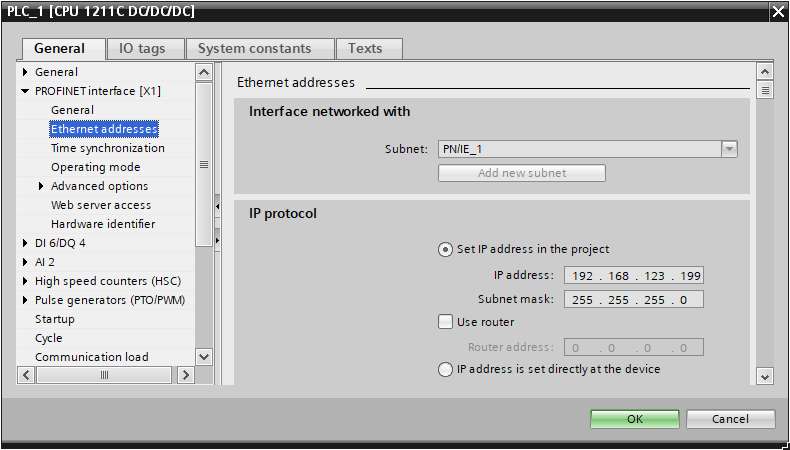
IP PROTOCOL
设置 Ethernet addresses -> IP protocol, 例如: 192.168.123.199/255.255.255.0
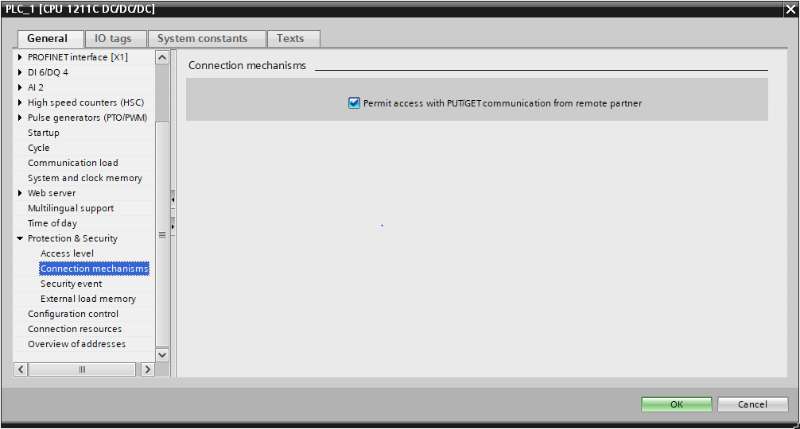
启用 S7 COMMUNICATION 远程访问
启用 Permit access with PUT/GET communication from remote partner.
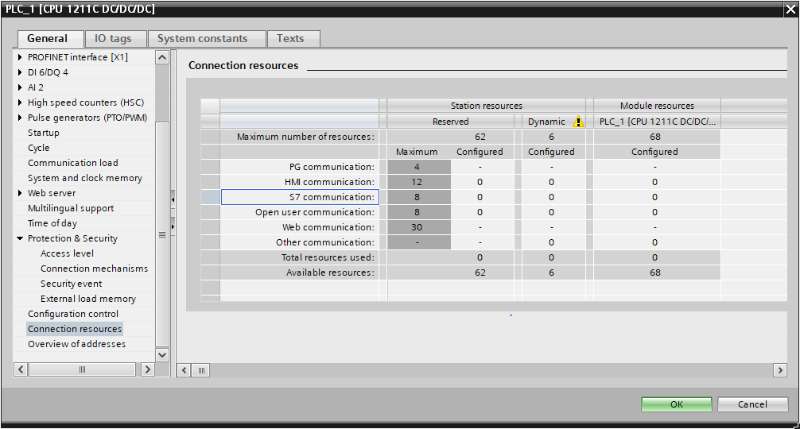
(可选) 保留 S7 COMMUNICATION
S7 Communication 保留和使用的资源数量,“Configured” 为 0,表示 EdgeX 最多可以建立 8 个连接。
提示
重要提示:不要与单个 S7 设备创建超过“6”个连接! 我们需要为 WINCC 保留 “2” 个连接。
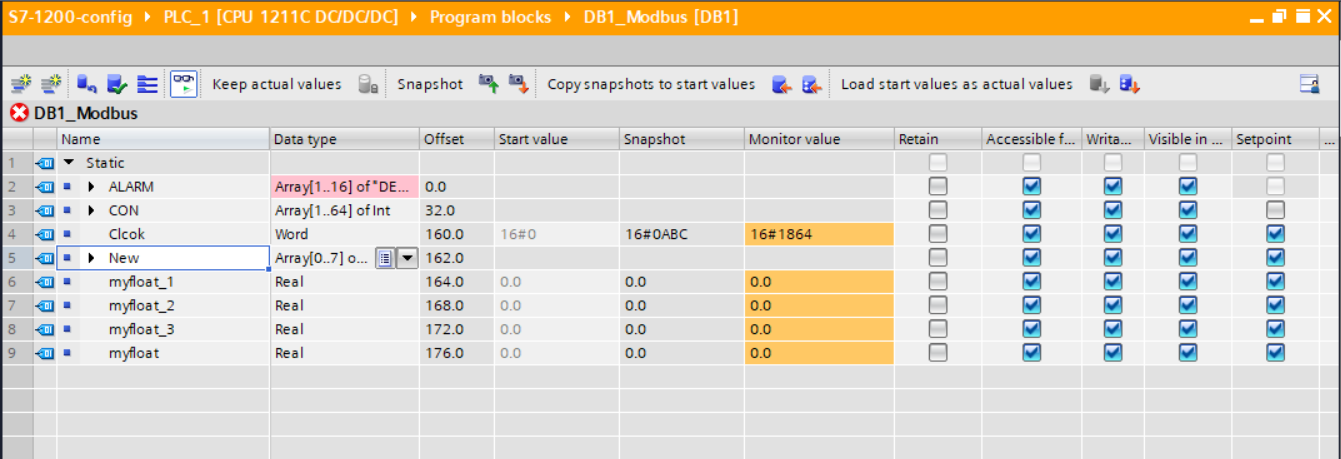
设置数据块 Data Blocks
Data Block 1
在本例子中,只需使用 Clcok 偏移量 160.0 中的进行测试即可。
Data Block 4
在本例子中, 使用 bool, byte, word, dword, int, dint, real 作为测试.
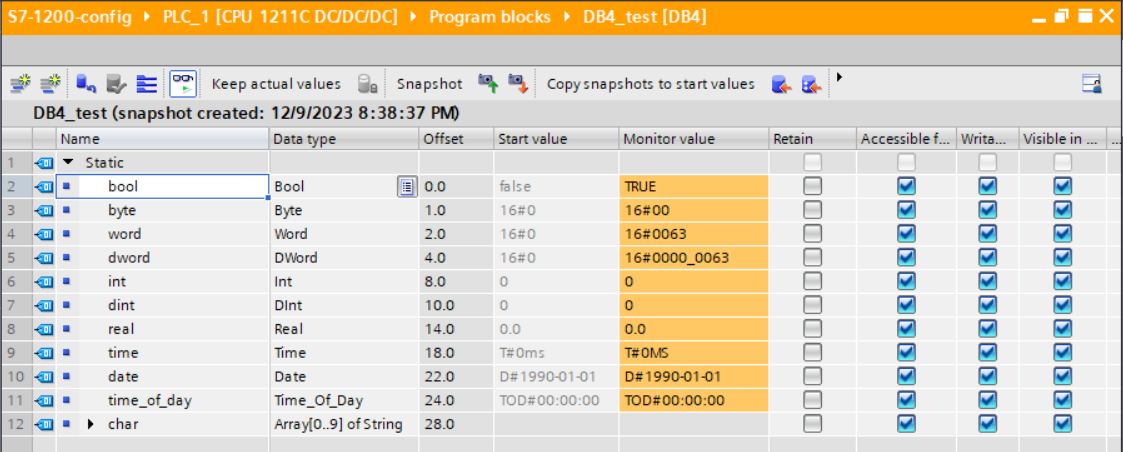
启动微服务之前
以下部分介绍如何在启动服务之前完成设置。
- 使用预定义的配置进行测试
- 设置新配置
使用预定义的配置进行测试
文件夹中的预定义配置:cmd/res/
预定义 DEVICE PROFILE
设备配置 Device Profile profiles/Simple-Driver.yaml 描述了一个 S7-1200 设备,它包含 8 个资源,如下所示:
name: S7-Device
manufacturer: YIQISOFT
description: Example of S7 Device
model: Siemens S7
labels: [ISO-on-TCP]
deviceResources:
  - name: bool
    description: PLC bool
    isHidden: false
    properties:
      valueType: Bool
      readWrite: RW
    attributes:
      NodeName: DB4.DBX0.0
  - name: byte
    description: PLC byte
    isHidden: false
    properties:
      valueType: Uint8
      readWrite: RW
    attributes:
      NodeName: DB4.DBB1
  - name: word
    description: PLC word
    isHidden: false
    properties:
      valueType: Int16
      readWrite: RW
    attributes:
      NodeName: DB4.DBW2
  - name: dword
    description: PLC dword
    isHidden: false
    properties:
      valueType: Int32
      readWrite: RW
    attributes:
      NodeName: DB4.DBD4
  - name: int
    description: PLC int
    isHidden: false
    properties:
      valueType: Int16
      readWrite: RW
    attributes:
      NodeName: DB4.DBW8
  - name: dint
    description: PLC dint
    isHidden: false
    properties:
      valueType: Int32
      readWrite: RW
    attributes:
      NodeName: DB4.DBW10
  - name: real
    description: PLC real
    isHidden: false
    properties:
      valueType: Float32
      readWrite: RW
    attributes:
      NodeName: DB4.DBD14
  - name: heartbeat
    description: PLC heartbeat
    isHidden: false
    properties:
      valueType: Int16
      readWrite: RW
    attributes:
      NodeName: DB1.DBW160
deviceCommands:
  - name: AllResource
    isHidden: false
    readWrite: RW
    resourceOperations:
      - deviceResource: bool
        defaultValue: 'false'
      - deviceResource: byte
        defaultValue: '0'
      - deviceResource: word
        defaultValue: '0'
      - deviceResource: dword
        defaultValue: '0'
      - deviceResource: int
        defaultValue: '0'
      - deviceResource: dint
        defaultValue: '0'
      - deviceResource: real
        defaultValue: '0'
      - deviceResource: heartbeat
        defaultValue: '0'
该表描述了设备配置文件的每个资源:
| Resource Name | valueType of EdgeX | NodeName | Note(DB: Data Block) |
|---|---|---|---|
| bool | Bool | DB4.DBX0.0 | DB4: DBX0.0: (BOOL) bit 0 of offset 0 |
| byte | Uint8 | DB4.DBB1 | DB4, DBB1: (BYTE) one byte of offset 1 |
| word | Int16 | DB4.DBW2 | DB4, DBW2: (WORD) two bytes of offset 2 |
| dword | Int32 | DB4.DBD4 | DB4, DBD4: (DWORD) four bytes of offset 4 |
| int | Int16 | DB4.DBW8 | DB4, DBW8: (WORD) two bytes of offset 8 |
| dint | Int32 | DB4.DBW10 | DB4, DBW10: (WORD) two bytes of offset 10 |
| real | Float32 | DB4.DBD14 | DB4, DBD14: (REAL) four bytes of offset 14 |
| heartbeat | Int16 | DB1.DBW160 | DB1, DBW160: (WORD) two bytes of offset 160 |
预定义设备配置 DEVICE CONFIGURATION
设备配置 Device Configuration devices/Simple-Device.yaml 描述了如下所示的两种设备。
- S7-Device01:自动事件“interval”值(10s) < IdleTimeout(30s),只有一个 tcp 连接,直到连接失败。
- S7-Device02:自动事件“interval”值(10s)> IdleTimeout(5s),因此每个读/写命令都会重新连接到 S7 设备。
deviceList:
  - name: S7-Device01
    profileName: S7-Device
    description: Example of S7 Device
    labels: [industrial]
    protocols:
      s7:
        Host: 192.168.123.199
        Port: 102
        Rack: 0
        Slot: 1
        Timeout: 30
        IdleTimeout: 30
    autoEvents:
      - interval: 10s
        onChange: false
        sourceName: AllResource
  - name: S7-Device02
    profileName: S7-Device
    description: Example of S7 Device
    labels: [industrial]
    protocols:
      s7:
        Host: 192.168.123.199
        Port: 102
        Rack: 0
        Slot: 1
        Timeout: 5
        IdleTimeout: 5
    autoEvents:
      - interval: 10s
        onChange: false
        sourceName: heartbeat
设置一个新的配置 Configuration
创建自定义配置文件夹
运行以下命令:
mkdir -p custom-config
设置新的设备配置 DEVICE PROFILE
运行以下命令来创建您的设备配置文件:
cd custom-config
vi new-device-profile.yaml
插入您的设备配置文件定义,这取决于您的 S7 设备配置。
设置设备服务配置 CONFIGURATION
cd custom-config
vi new-device-config.yaml
填写 new-device-config.yaml 文件。
准备 docker-compose 文件
生成 docker compose 文件
- Clone edgex-compose
git clone https://github.com/edgexfoundry/edgex-compose.git
- 生成 docker-compose.yml 文件
cd edgex-compose
make gen ds-s7
将自定义配置添加到 docker-compose 文件
将准备好的配置文件添加到 docker-compose 文件中,您可以使用卷挂载它们并更改 device-s7 内部使用的环境。
打开 docker-compose.yml 文件,然后添加卷路径和环境,如下所示:
device-s7:
  ...
  environment:
    ...
    DEVICE_PROFILESDIR: /custom-config
    DEVICE_DEVICESDIR: /custom-config
  volumes:
    ...
    - /path/to/custom-config:/custom-config
在 Docker 上启动 EdgeX Foundry
由于我们在上一步中生成了 docker-compose.yml 文件,因此我们可以部署 EdgeX,如下所示:
cd edgex-compose/compose-builder
docker compose -p edgex up -d
[+] Running 12/12
 ✔ Container edgex-core-consul                      Started    0.0s
 ✔ Container edgex-ui-go                            Started    0.0s
 ✔ Container edgex-redis                            Started    0.0s
 ✔ Container edgex-core-common-config-bootstrapper  Started    0.1s
 ✔ Container edgex-support-scheduler                Started    0.0s
 ✔ Container edgex-kuiper                           Started    0.0s
 ✔ Container edgex-support-notifications            Started    0.1s
 ✔ Container edgex-core-metadata                    Started    0.1s
 ✔ Container edgex-core-command                     Started    0.0s
 ✔ Container edgex-core-data                        Started    0.0s
 ✔ Container edgex-app-rules-engine                 Started    0.0s
 ✔ Container edgex-device-s7                        Started    0.0s
启动服务后设置
如果服务已在运行并且您想要添加设备,则可以使用本节中概述的“核心元数据 API”。 如果您按照启动服务之前的设置中的说明设置设备配置文件和服务,则可以跳过此部分。
要在启动服务后添加设备,请完成以下步骤:
- 使用 POST 将上面的设备配置文件上传到元数据:http://localhost:59881/api/v3/deviceprofile/uploadfile ,并以表单数据格式将文件作为密钥“文件”添加到正文,以及创建的 ID 将被退回。 以下示例命令使用 curl 发送请求:
curl http://localhost:59881/api/v3/deviceprofile/uploadfile -F "file=@new-device-profile.yml"
-
确保 S7 设备服务正在运行,如有必要或使用其他设备服务,请调整下面的服务名称以匹配。
-
使用 POST 将设备添加到 http://localhost:59881/api/v3/device,正文将类似于:
curl http://localhost:59881/api/v3/device -H "Content-Type:application/json" -X POST \
  -d '[
        {
            "apiVersion" : "v3",
            "device": {
                "name": "S7-Device03",
                "description": "Example of S7 Device",
                "adminState": "UNLOCKED",
                "operatingState": "UP",
                "serviceName": "device-s7",
                "profileName": "S7-Device",
                "protocols": {
                    "s7": {
                        "Host": "192.168.123.199",
                        "Port": 102,
                        "Rack": 0,
                        "Slot": 1,
                        "Timeout": 30,
                        "IdleTimeout": 30
                    }
                },
                "autoEvents": [
                    {
                        "interval": "10s",
                        "onChange": false,
                        "sourceName": "AllResource"
                    }
                ]
            }
        }
    ]'
服务名称必须匹配/引用目标设备服务(“device-s7”),并且配置文件名称必须与前面步骤中的设备配置文件名称(“S7-Device”)匹配。
执行命令
现在我们准备运行一些命令。
查找可执行命令
使用以下查询查找可执行命令:
curl http://localhost:59882/api/v3/device/name/S7-Device03 | json_pp
{
  "apiVersion": "v3",
  "deviceCoreCommand": {
    "coreCommands": [
      {
        "get": true,
        "name": "word",
        "parameters": [
          {
            "resourceName": "word",
            "valueType": "Int16"
          }
        ],
        "path": "/api/v3/device/name/S7-Device03/word",
        "set": true,
        "url": "http://edgex-core-command:59882"
      },
      {
        "get": true,
        "name": "int",
        "parameters": [
          {
            "resourceName": "int",
            "valueType": "Int16"
          }
        ],
        "path": "/api/v3/device/name/S7-Device03/int",
        "set": true,
        "url": "http://edgex-core-command:59882"
      },
      {
        "get": true,
        "name": "real",
        "parameters": [
          {
            "resourceName": "real",
            "valueType": "Float32"
          }
        ],
        "path": "/api/v3/device/name/S7-Device03/real",
        "set": true,
        "url": "http://edgex-core-command:59882"
      },
      {
        "get": true,
        "name": "heartbeat",
        "parameters": [
          {
            "resourceName": "heartbeat",
            "valueType": "Int16"
          }
        ],
        "path": "/api/v3/device/name/S7-Device03/heartbeat",
        "set": true,
        "url": "http://edgex-core-command:59882"
      },
      {
        "get": true,
        "name": "AllResource",
        "parameters": [
          {
            "resourceName": "bool",
            "valueType": "Bool"
          },
          {
            "resourceName": "byte",
            "valueType": "Uint8"
          },
          {
            "resourceName": "word",
            "valueType": "Int16"
          },
          {
            "resourceName": "dword",
            "valueType": "Int32"
          },
          {
            "resourceName": "int",
            "valueType": "Int16"
          },
          {
            "resourceName": "dint",
            "valueType": "Int32"
          },
          {
            "resourceName": "real",
            "valueType": "Float32"
          },
          {
            "resourceName": "heartbeat",
            "valueType": "Int16"
          }
        ],
        "path": "/api/v3/device/name/S7-Device03/AllResource",
        "set": true,
        "url": "http://edgex-core-command:59882"
      },
      {
        "get": true,
        "name": "bool",
        "parameters": [
          {
            "resourceName": "bool",
            "valueType": "Bool"
          }
        ],
        "path": "/api/v3/device/name/S7-Device03/bool",
        "set": true,
        "url": "http://edgex-core-command:59882"
      },
      {
        "get": true,
        "name": "byte",
        "parameters": [
          {
            "resourceName": "byte",
            "valueType": "Uint8"
          }
        ],
        "path": "/api/v3/device/name/S7-Device03/byte",
        "set": true,
        "url": "http://edgex-core-command:59882"
      },
      {
        "get": true,
        "name": "dword",
        "parameters": [
          {
            "resourceName": "dword",
            "valueType": "Int32"
          }
        ],
        "path": "/api/v3/device/name/S7-Device03/dword",
        "set": true,
        "url": "http://edgex-core-command:59882"
      },
      {
        "get": true,
        "name": "dint",
        "parameters": [
          {
            "resourceName": "dint",
            "valueType": "Int32"
          }
        ],
        "path": "/api/v3/device/name/S7-Device03/dint",
        "set": true,
        "url": "http://edgex-core-command:59882"
      }
    ],
    "deviceName": "S7-Device03",
    "profileName": "S7-Device"
  },
  "statusCode": 200
}
执行设置命令
根据url和parameterNames执行 SET 命令,运行 SET 命令时将localhost替换为服务器 IP。
这里我们使用“heartbeat”命令:
curl http://localhost:59882/api/v3/device/name/S7-Device03/heartbeat \
-H "Content-Type:application/json" -X PUT  \
-d '{"heartbeat": "1"}'
{"apiVersion":"v3","statusCode":200}
执行获取命令
运行 GET 命令时,将 localhost 替换为服务器 IP。
这里我们使用“heartbeat”命令:
curl http://localhost:59882/api/v3/device/name/S7-Device03/heartbeat
{
  "apiVersion": "v3",
  "statusCode": 200,
  "event": {
    "apiVersion": "v3",
    "id": "dd56ed66-2874-4d78-af02-753783164b3c",
    "deviceName": "S7-Device03",
    "profileName": "S7-Device",
    "sourceName": "heartbeat",
    "origin": 1702103303160428120,
    "readings": [
      {
        "id": "8324105a-1843-415d-bea7-b61e6d12142c",
        "origin": 1702103303159722671,
        "deviceName": "S7-Device03",
        "resourceName": "heartbeat",
        "profileName": "S7-Device",
        "valueType": "Int16",
        "value": "1"
      }
    ]
  }
}
自动事件
AutoEvent 在设备定义文件的 autoEvents 部分中定义:
deviceList:
  autoEvents:
    interval: '30s'
    onChange: false
    sourceName: 'heartbeat'
服务启动后,查询 core-data API。 结果显示该服务每“30 秒”自动执行一次命令。
配置
该服务没有设备 SDK 提供的附加配置。 常用设备服务配置请参见设备服务配置部分。
协议属性
设备 S7 为 ISO-on-TCP 定义以下协议属性。
这些属性位于每个设备定义的协议部分中的“s7”键下。
| Properity | Default value | Note |
|---|---|---|
| Host | N/A | S7 ip address, e.g. 192.168.123.199 |
| Port | N/A | S7 port, e.g. 102 |
| Rack | N/A | Rack number, e.g. 0 |
| Slot | N/A | Slot number, e.g. 1 |
| Timeout | 30 | connect to S7 timeout, seconds |
| IdleTimeout | 30 | connection idle timeout, seconds |
S7 协议属性示例
...
"protocols": {
    "s7": {
        "Host": "192.168.123.199",
        "Port": 102,
        "Rack": 0,
        "Slot": 1,
        "Timeout": 30,
        "IdleTimeout": 30
    }
}
...
API 参考
该服务继承了 SDK 中的通用设备服务 API API。
源代码
Device S7 的源代码可以在 https://github.com/edgexfoundry-holding/device-s7 中找到。
额外细节
在 S7 设备资源使用带有“Int16”数字的“WORD”数据类型的用例中,“WORD”有两个字节,应转换为整数。
以下来自设备配置文件的摘录将“NodeName”DB4.DBW2 定义为“valueType”Int16:
示例 - 设备配置文件
name: S7-Device
manufacturer: YIQISOFT
description: Example of S7 Device
model: Siemens S7
labels: [ISO-on-TCP]
deviceResources:
    - name: word
    description: PLC word
    isHidden: false
    properties:
        valueType: Int16
        readWrite: RW
    attributes:
        NodeName: DB4.DBW2
读命令 Read Command
读取命令执行如下:
- Client 执行 Read Command;
- 设备服务发送 Read Command 读取一个‘WORD’数据;
- S7 设备返回一个两字节数据;
- 设备服务解析数据;
- 设备服务将数据转换为 Int16 值;
- 设备服务返回 json 格式给 Client。
写命令 Write Command
写入命令执行如下:
- Client 执行 Write Command 写入一个 In16 值;
- 设备服务将 Int16 值转换为两个字节;
- 设备服务转换为二进制;
- 设备服务向 S7 设备发送写请求;
- 设备服务返回结果 json 给 Client。
何时转换数据
您通常需要随时转换数据,因为 S7 设备仅接收其特定的数据类型。
支持的转换
支持的转换如下:
From NodeName | Bit(s) | To valueType | Address Sample |
|---|---|---|---|
| Bool | 1 | Bool | DB1.DBX0.0 |
| Byte | 8 | Uint | DB1.DBB1 |
| Word | 16 | Int16 | DB1.DBW2 |
| DWord | 32 | Int32 | DB1.DBD4 |
| Int | 16 | Int16 | DB1.DBW6 |
| DInt | 32 | Int32 | DB1.DBD8 |
| Real | 32 | Float32 | DB1.DBD20 |
相关推荐
【深度学习预测】项目介绍 Python实现基于BO-Transformer-LSTM贝叶斯优化算法(BO)优化Transformer-LSTM模型进行多变量时间序列预测(含模型描述及部分示例代码)
内容概要:本文详细介绍了一个基于BO-Transformer-LSTM的多变量时间序列预测项目,通过结合Transformer的全局自注意力机制与LSTM的局部时序建模能力,构建了适用于复杂业务场景的深度学习预测模型。模型输入采用多变量滑动窗口结构,并引入正弦余弦位置编码以保留时间顺序信息;Transformer编码器提取变量间长距离依赖关系,LSTM进一步捕捉动态演化特征,最终通过回归层输出预测值。为优化模型性能,采用贝叶斯优化算法(基于Tree-structured Parzen Estimator)自动搜索最优超参数组合,包括嵌入维度、注意力头数、学习率、窗口长度等,显著提升了调参效率与模型泛化能力。项目还设计了包含周期性、趋势性、均值回归、突发事件和异方差噪声的五因素模拟数据生成机制,确保数据贴近真实业务场景,并建立了从数据预处理、模型训练、验证评估到结果恢复的完整技术链路。; 适合人群:具备一定机器学习与深度学习基础,熟悉PyTorch框架,从事时间序列预测相关研究或工程应用的研发人员、数据科学家及研究生。; 使用场景及目标:①应用于能源负荷预测、设备状态监测、金融风控、供应链需求预测等多变量时间序列预测任务;②解决传统模型在长时依赖、非线性关系和高维特征下的预测瓶颈;③实现高效超参数优化,提升模型调优自动化水平与部署可行性。; 阅读建议:本文含核心模型结构与部分示例代码,建议结合完整项目代码(如GitHub或博客资源)进行复现实践,重点关注数据生成逻辑、模型前向传播流程及贝叶斯优化集成方式,同时可通过调整网络结构或优化策略进一步拓展至多步预测、概率输出与可视化分析等高级功能。
城市生命线之长距离输水管线的监测与检测.pdf
城市生命线之长距离输水管线的监测与检测.pdf
复现水下航行器(NMPC)非线性模型预测控制分布式轨迹跟踪(Matlab代码实现)
内容概要:本文档围绕水下航行器(AUV)的非线性模型预测控制(NMPC)分布式轨迹跟踪技术展开,重点复现并实现了国际顶级期刊中提出的先进控制算法。该资源详细提供了基于Matlab的仿真代码,涵盖AUV的非线性动力学建模、多智能体系统协同控制、事件触发通信机制以及复杂海洋环境下分布式轨迹跟踪的优化求解过程。通过系统地构建NMPC控制器,实现对预设轨迹的高精度跟踪,同时有效处理系统约束与外部扰动。研究强调算法在多AUV协同任务中的适用性,突出其在节能通信与实时性方面的优势,是控制理论与工程实践相结合的典型范例; 适合人群:具备自动控制原理、非线性系统理论及Matlab编程基础的研究生、科研人员和工程技术开发者,尤其适用于从事水下机器人、智能控制、多智能体协同、路径规划与优化控制等方向的研究者; 使用场景及目标:① 深入理解非线性模型预测控制(NMPC)在欠驱动AUV轨迹跟踪中的设计与实现机制;② 复现并验证高水平学术论文中的控制策略,支撑科研创新与论文撰写;③ 探索事件触发机制下的分布式协同控制架构,提升多智能体系统的通信效率与控制性能; 阅读建议:建议结合现代控制理论相关教材与原始参考文献,逐行分析Matlab代码结构与算法流程,重点关注系统建模、代价函数构造、约束处理与优化求解器的调用方式。可通过调整控制参数、初始状态或引入环境干扰等方式进行仿真实验,以评估算法的鲁棒性、收敛性与工程实用性。
AI大模型训练大规模智算中心建设方案.pdf
AI大模型训练大规模智算中心建设方案.pdf
西周BC798年世界历史地图矢量文件SHP格式.zip
本资源为《西周BC798年世界历史地图矢量文件SHP格式》压缩包,文件大小约 24.84 MB,便于集中下载、整理和使用。具体内容请结合压缩包内的实际文件与说明查看。 在当前可读取的目录中,可见属性表(.dbf)、投影说明文件(.prj)、Shapefile 主文件(.shp)、Shapefile 索引(.shx)。建议解压后保持原有目录结构,先浏览文件清单与说明,再选择需要的资料进行加载或整理。 应用方面,可根据实际资料用于学习练习、资料检索、研究整理或项目参考。使用时可先确定所需内容,建立清晰的文件分类,再按项目要求进行筛选、转换与汇总。 使用 Shapefile 数据时,请把实际配套的 .shp、.shx、.dbf 等文件保存在同一目录,并保持同名关联;加载后再检查坐标系与中文字段显示。如需叠加其它数据,请先统一坐标与字段口径。 数据来源、时间范围、坐标系、字段定义、精度和使用条件,请以实际文件及原始说明为准。本介绍不对文件名之外尚未核实的信息作额外承诺。