


162
社区成员
 发帖
发帖 与我相关
与我相关 我的任务
我的任务
 分享
分享1.3.2.Group Division of Labor Contribution Table
2.1.Background of Topic Selection
| Which course does this assignment belong to | MIEC EE308FZ |
|---|---|
| Where are the requirements for this assignment? | Assignment Instruction |
| Team Name | Overload |
| The objective of this assignment | Introduce the group members, group division of labor, scoring mechanism, project content, and project establishment plan |
| Other Reference Documents | "The Art of Construction"、Demand Investigation Report、product presentation |
| Name | Li Zeyu | CSDN Profile | |
| Student ID | 832301116(FZU) | 23126086(MU) | |
| Personality | Outgoing, Responsible, Conscientious | ||
| Hobbies | LOL, football, hiking, sketch | ||
| Technical Expertise | MySQL, MQTT, Restful-API | ||
| Desired Software Engineering Role |
Full-Stack Developer | ||
| Slogan | Never Regret | ||
| Name | Fan Yiqi | CSDN Profile | |
| Student ID | 832301221(FZU) | 23132078(MU) | |
| Personality | Shy | ||
| Hobbies | footbal | ||
| Technical Expertise |
PHP or Ruby | ||
| Desired Software Engineering Role | Back-end development technicians | ||
| Slogan | Those who bullied me, do you know that you abused the cat | ||
| Name | Li Zhirong | CSDN Profile | |
| Student ID | 832301119(FZU) | 23124903(MU) | |
| Personality | Open - minded, Collaborative, Detail - oriented | ||
| Hobbies | basketball, cycling | ||
| Technical Expertise | Backend development, Database design | ||
| Desired Software Engineering Role | Back-end development technicians | ||
| Slogan | Powering applications with robust backend solutions and efficient data management. | ||
| Name |
Chen Dinghan | CSDN Profile | |
| Student ID | 832301216(FZU) | 23124849(MU) | |
| Personality |
Enthusiastic, Friendly, Generous | ||
| Hobbies |
Coding, Debug, Football | ||
| Technical Expertise |
Python coding, DB Optimization | ||
| Desired Software Engineering Role |
Backend Engineer | ||
| Slogan |
Muscles don’t grow on cowards. | ||
| Name |
Chen Yuze | CSDN Profile | 2501_93839583 |
| Student ID | 832301211(FZU) |
23125748(MU) | |
| Personality |
Enthusiastic, Friendly, Generous | ||
| Hobbies |
Coding, Debug, Basketball | ||
| Technical Expertise |
Python coding, DB Optimization | ||
| Desired Software Engineering Role |
Backend Engineer | ||
| Slogan |
Stay passionate | ||
| Name |
Chen Baichuan | CSDN Profile | 三井兽37 |
| Student ID |
832301209(FZU) |
23126477(MU) | |
| Personality |
Enthusiastic, Friendly, Generous,Humorous | ||
| Hobbies |
Coding, Basketball, Travel | ||
| Technical Expertise |
Python coding, C language programming,51 single chip | ||
| Desired Software Engineering Role |
Backend Engineer | ||
| Slogan |
Better than yesterday | ||
| Name |
Chen Lingqi | CSDN Profile | 2301_79745723 |
| Student ID | 832301212(FZU) |
23126485(MU) | |
| Personality |
Outgoing and optimistic, strong sense of responsibility, good at teamwork and cross disciplinary communication | ||
| Hobbies |
reading technical blogs, board games | ||
| Technical Expertise |
Backend development (C/Python) | ||
| Desired Software Engineering Role |
Backend Development Engineer | ||
| Slogan |
Build a reliable architecture with code and drive product value with logic | ||
| Name |
Wang Buqin | CSDN Profile | |
| Student ID | 832301101(FZU) |
23126281(MU) | |
| Personality |
enthusiasm friendly | ||
| Hobbies |
listen music; basketball | ||
| Technical Expertise |
code; data collection | ||
| Desired Software Engineering Role |
Operations Engineer | ||
| Slogan | Never give up | ||
| Name |
Li Zongheng | CSDN Profile | Moneett
|
| Student ID |
832301117 (FZU) |
23126230(MU) | |
| Personality |
Studious, Enthusiastic, Positive | ||
| Hobbies |
Travel,Making friends,Running | ||
| Technical Expertise |
Python coding | ||
| Desired Software Engineering Role |
Front-end developer | ||
| Slogan |
Where there is a will there is a way | ||
| Name |
Lin Shimao | CSDN Profile | |
| Student ID |
832301216(FZU) |
23124849(MU) | |
| Personality |
Curious, collaborative, and detail-oriented | ||
| Hobbies |
Reading,traveling | ||
| Technical Expertise |
Responsive web design | ||
| Desired Software Engineering Role |
back-end developer | ||
| Slogan |
The obstacle is the path. | ||
| Name |
Lu Yihan | CSDN Profile | |
| Student ID |
832301107(FZU) |
23140895(MU) | |
| Personality | Positive | ||
| Hobbies | table tennis, basketball | ||
| Technical Expertise | Python coding | ||
| Desired Software Engineering Role | Front-end developer | ||
| Slogan |
Just Do It | ||
| Name |
Zhang Mingzhe | CSDN Profile | |
| Student ID |
832302201(FZU) |
23125772(MU) | |
| Personality | Positive | ||
| Hobbies | fitness | ||
| Technical Expertise | UI design | ||
| Desired Software Engineering Role | Logistics staff | ||
| Slogan |
Just Do It | ||
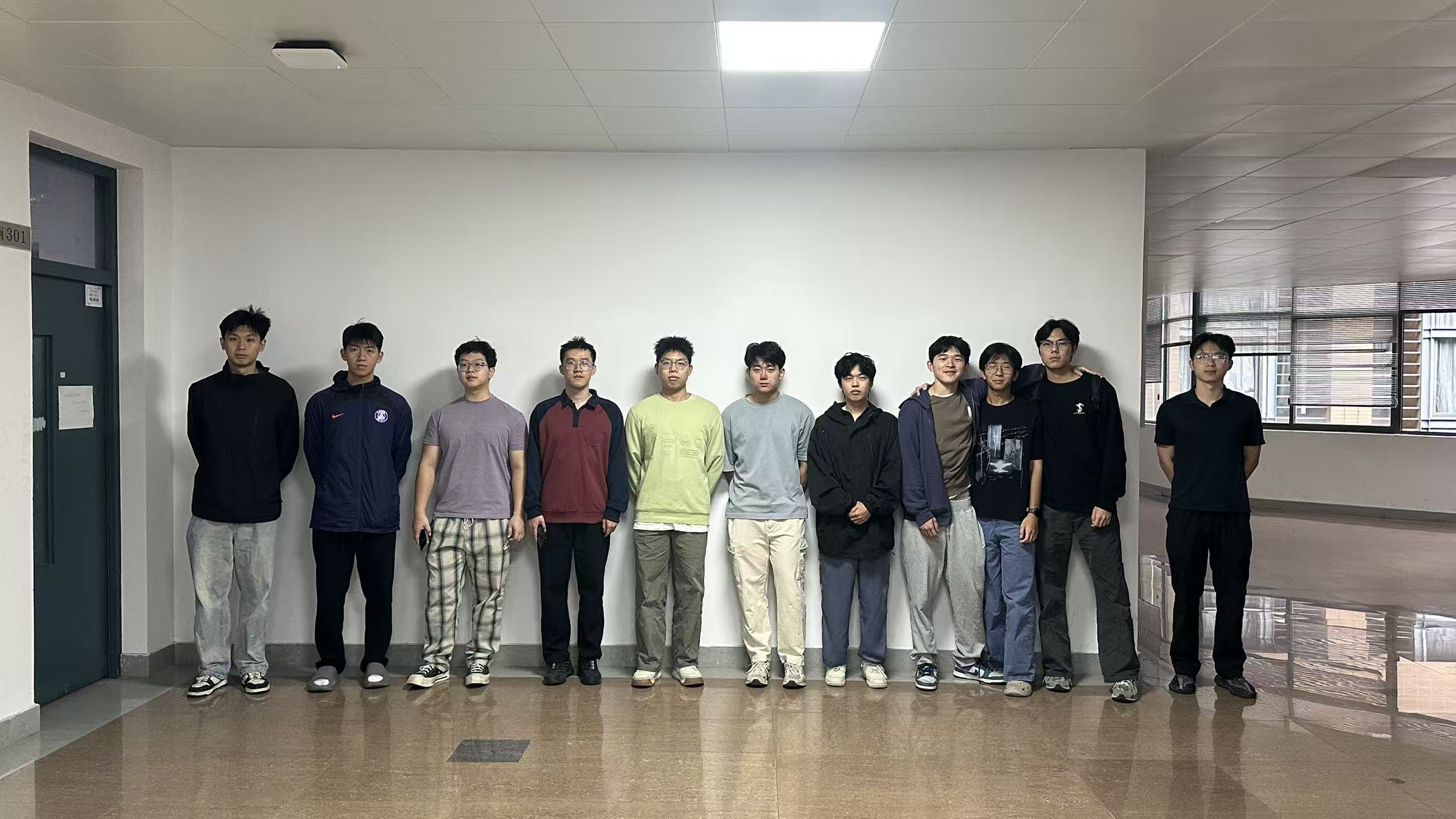
The original intention of the topic selection
Focusing on the frequent pain points of students within the campus, such as scattered second-hand transactions, difficult connection of temporary services, inefficient carpooling for travel, and ambiguous transaction addresses, the aim is to integrate second-hand transactions, errand running, purchase requests, and carpooling functions to build a unified mutual assistance platform, eliminate information barriers and trust gaps, and make campus resource circulation more efficient and life services more convenient.
During the completion stage of project development, the application scenarios can be expanded to community convenience services.
Goal to achieve
Short-term: Launch second-hand trading, integrate basic services with core functions, complete on-campus identity verification, conduct a small-scale trial run within the school, and verify the availability of core functions.
Mid-term: Optimize the experience, add a carpooling module and evaluation system, covering 60% of the students in our school, and make it a commonly used tool for daily mutual assistance.
Long term: Achieve full coverage of student mutual assistance services and expand the application scenarios to other schools and communities.
Application Scenarios
Campus scenarios: Covering all scenarios such as the trading of learning materials (second-hand books, notes), the circulation of idle items, errand pick-up and delivery, carpooling for travel, and emergency purchase requests.
Community scenarios: Extend second-hand transactions in the community, neighborhood errand running, and convenient information sharing. Surrounding residents form a mutual assistance community.
Back-end developer: Build the back-end framework, design the database table structure, develop core interfaces such as user authentication, commodity transactions, and order management, and handle business logic.
Front-end developer: Responsible for platform interface development, implementing responsive layout (compatible with PC/H5), developing home pages, product detail pages, etc., and coordinating with back-end apis to render data.
Tester: write test cases, conduct functional and compatibility tests, record and track BUG fixes, and ensure the stability of platform functions
Operation and maintenance personnel :set up development/testing/production environments, deploy front-end and back-end projects, manage version control, monitor server status, and ensure the normal operation of the platform.
Technical documentation personnel :write requirements specification documents, interface documents, deployment manuals, etc., organize project documents, and ensure team collaboration and knowledge inheritance.
Full-stack staff:Take into account the front-end and back-end implementation of all functional modules
Database engineer :Focus on database design and SQL optimization
| Student ID | Work Description | Contribution |
|
832301221 范益齐 | Team Leader、Full-stack staff、Back-end developer | 12% |
| 832301116 李泽宇 | Full-stack staff、Technical documentation personnel、Operation and maintenance personnel | 11% |
|
832301119 李智融 | Database engineer、Tester、Operation and maintenance personnel | 11% |
|
832301221 陈鼎翰 |
Back-end developer、Database engineer 、Technical documentation personnel | 11% |
|
832301211 陈禹泽 | Back-end developer、Tester、peration and maintenance personnel | 7% |
|
832301209 陈百川 | Back-end developer、Technical documentation personnel | 7% |
|
832301212 陈凌琦 | Back-end developer、Operation and maintenance personnel | 7% |
|
832301101 王步勤 | Back-end developer、Database engineer | 7% |
|
832301117 李宗衡 | Front-end developer、Tester | 7% |
|
832301223 林世茂 | Back-end developer、Tester | 7% |
|
832301107 卢奕涵 | Front-end developer、Technical documentation personnel | 7% |
| 832302201张明哲 | Back-end developer、Tester | 7% |
Total Score Composition: Final Individual Score = Integrated Performance Score (100%, combining work contribution and team collaboration)
Evaluation Method: The integrated score is calculated by weighting Self-evaluation (30%) + Peer Evaluation (70%), with results divided into 4 levels: "Excellent", "Good", "Qualified", "Needs Improvement".The following table only explains outstanding performance
Scoring Cycle: Conducted once after each project development phase (Basic Implementation Phase, Optimization Iteration Phase, Expansion Phase); the final score is the average of scores from all phases
|
Evaluation Dimensions |
Excellent Performance |
|
1. Task Completion & Quality |
Fully completes assigned modules as required, no functional issues, meets design standards; code/docs are standardized (e.g., unified frontend naming, detailed backend comments) with high reusability. |
|
2. Task Timeliness & Proactivity |
Completes tasks ahead of schedule, leaving time for testing and revisions; proactively proposes optimization solutions (e.g., frontend interaction, backend performance) and implements them. |
|
3. Team Communication & Collaboration |
Proactively shares work progress, responds to team messages promptly, participates in discussions and provides useful suggestions; attends meetings on time, prepares topics in advance, and contributes ideas actively. |
|
4. Responsibility & Supportiveness |
Takes initiative to undertake additional tasks (e.g., helping others solve technical problems), does not shirk responsibility for issues, and proactively reviews and improves; actively shares technical materials/experience to help team members solve difficulties. |
Combining the "Demand acquisition" method (user interviews and scenario analysis) in "The Construction Method", through the research on the daily scenarios of students on campus, the core pain points are extracted:
1. Pain points in second-hand transactions: The trading channels for second-hand books, notes, past exam papers and other learning items are scattered (wechat groups, offline flea markets), and the information is disorganized and difficult to filter. The resale efficiency of idle items is low, and there is a lack of trust guarantee. The trading of intellectual property items (notes, past exam questions) is not regulated and is prone to content disputes.
2. Service demand pain points: Temporary errand demands (picking up packages, buying meals) are difficult to quickly connect with executors. There is no dedicated distribution channel for purchasing specific items (such as old textbooks and laboratory equipment), and the efficiency of passive waiting is low.
3. Pain points in travel coordination: Carpooling information for trips around the campus (such as visiting stores on weekends and returning home during holidays) is scattered. There is a lack of carpooling matching channels with safety certifications, and the risk of contact information leakage is high.
4. Transaction fulfillment pain points: The delivery address for on-campus transactions is not clear (only marked as "under a certain dormitory building"), resulting in low pick-up efficiency. The lack of online order tracking and the opacity of transaction status.
Phase 1: Requirement Research and Basic Development (4 weeks)
Week 1: Complete detailed requirement research (supplement user interviews, refine requirement specifications), learn technical stacks, and set up the development environment.
Weeks 2-3: Backend team builds the basic framework (user authentication, database design); frontend team develops basic pages such as user center and product list.
Week 4: Implement the core function of "second-hand product release and browsing", complete frontend-backend joint debugging, and set up the testing environment.
Phase 2: Improvement of Core Functions (3 weeks)
Week 5: Develop functions for second-hand transaction ordering, payment (connect to Alipay/WeChat sandbox environment, no real payment qualification required), and order management.
Week 6: Develop errand service and purchase request modules, and improve the on-campus address database.
Week 7: Conduct functional testing and bug fixes, and optimize page interaction experience.
Phase 3: Extended Functions and Optimization (3 weeks)
Week 8: Develop the carpooling module to implement release and matching functions.
Week 9: Add functions such as transaction evaluation and product recommendation; optimize system performance (e.g., image compression, page loading speed).
Week 10: Conduct comprehensive testing (functional testing, compatibility testing), deploy to the production environment, and prepare for trial operation.
Phase 4: Trial Operation and Iteration (2 weeks)
Week 11: Launch a small-scale trial operation in the university, collect user feedback (e.g., function usability, bugs).
Week 12: Iterate and optimize based on feedback, improve functional details, and prepare for subsequent expansion to community scenarios (e.g., reserve an entry for community user authentication).

