


286
社区成员
 发帖
发帖 与我相关
与我相关 我的任务
我的任务
 分享
分享@
| The Link Your Class | https://bbs.csdn.net/forums/MUEE308FZU202201?category=0 |
|---|---|
| The Link of Requirement of This Assignment | https://bbs.csdn.net/topics/608858956 |
| MU STU ID and FZU STU ID | 20122268 and 832001214 |
| MU STU ID and FZU STU ID | 20124325 and 832001213 |
| Teammate's blog link | https://bbs.csdn.net/topics/608989028 |
PSP Table
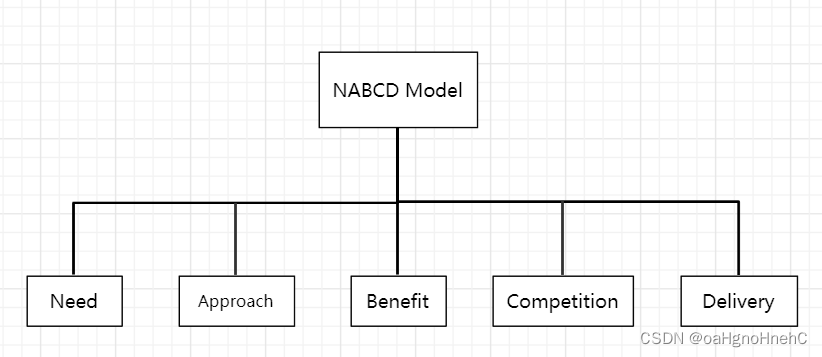
Demand Analysis (NABCD)
Summary
| Personal Software Process Stages | Estimated time (minutes) | real time (minutes) |
|---|---|---|
| Planning | 20 | 20 |
| Estimate | 5 | 5 |
| Development | 180 | 180 |
| Analysis | 15 | 15 |
| Design Spec | 30 | 30 |
| Design Review | 10 | 10 |
| Design | 10 | 15 |
| Reporting | 60 | 60 |
| Size Measurement | 10 | 10 |
| Postmortem & Process Improvement Plan | 20 | 25 |
| Total | 360 | 370 |
The requirement of the experiment is to design and achieve a game called Bobing. The details are various. First, it should be a network game which allow people to play in different place. Second, it could allows several people to take part in the same room to play this game at once. Third, the content is already confirmed.
The game is based on internet that peoples can play it together even they are in different place because of Covid-19. The game allows arbitary amounts of people to play in a room at once. The game need to record the result of each player.
First, we need a software for us to design a simple prototype of our game. So we choose ink knives to bulid the framework of the Bobing game and finally put it on the Wechat small program platform. After we get a satisfing result, we will code for this prototype to achieve various functions. At last, we will adjust our UI and Arrangement of Game to make it more beautiful.
Cusumers can take part in Bobing game even they are not in the same place. And this game will satisfy with people's need of Bobing game on Mid-Autumn festivel.
Bobing game is not complex, so our progamme can not prevent from being copied by other. However, this game is not very popular, so we don't need to worry too much about it.
The main advantage of our game is that we have simple and clear design which allows people to get familiar with this programme easier. Second, we have brief illustration of the rule of this game, so that won't be matter even if you are first time to play.
Our prototype is almost finished. Functions are confirmed. However, the code is still expected to be deployed in it. The pictures, animes and UI are waitting to be improved.
链接: Prototype
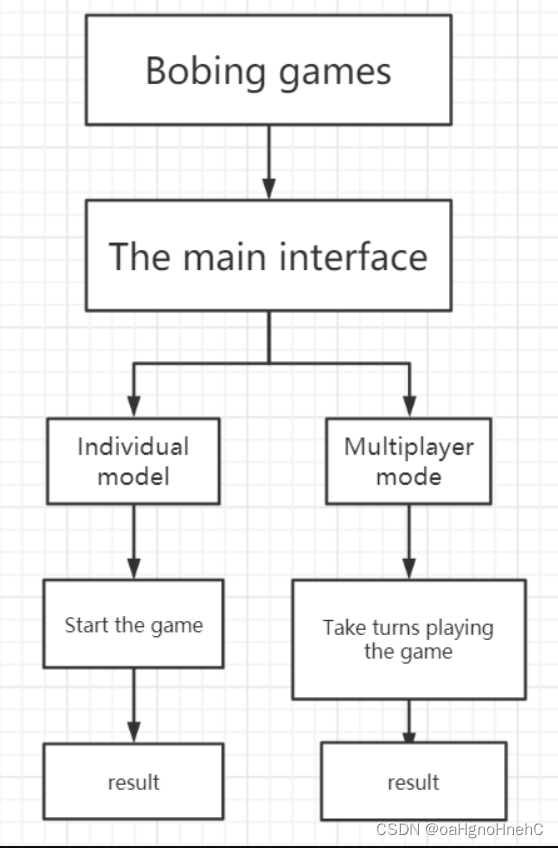
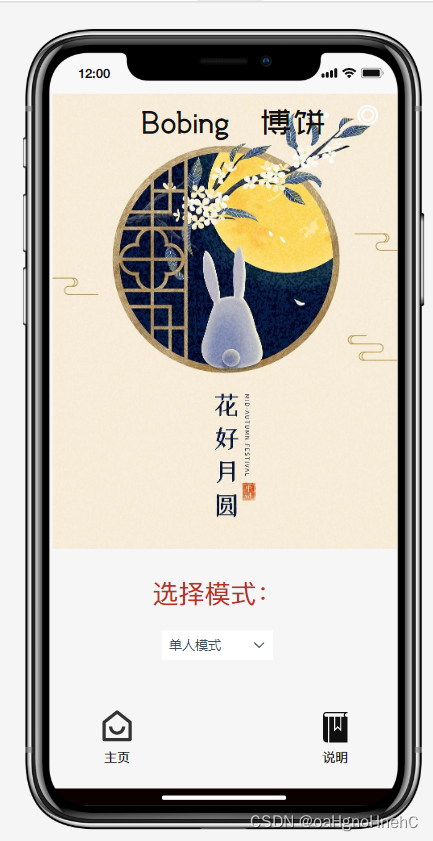
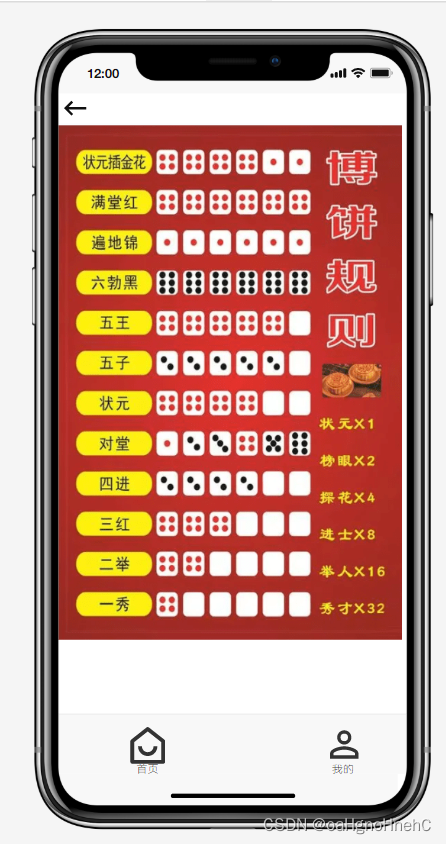
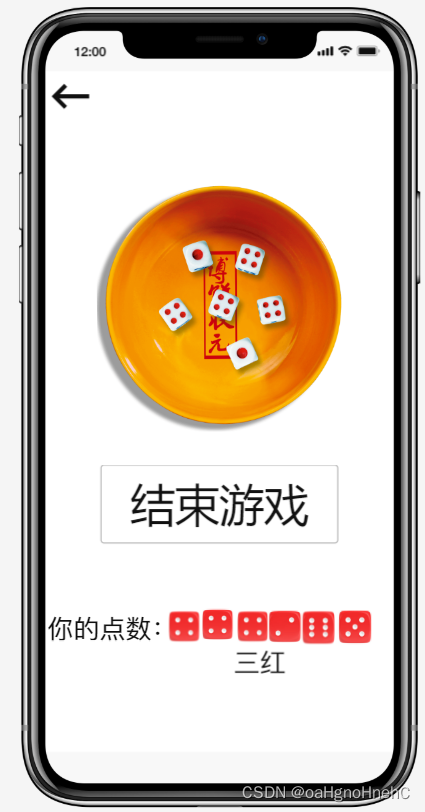
We learned an absolutely new software to design prototype last week. We had cooperated with each other well and had a reasonale arrangement of our tasks. Our works are effective. I think it must be helpful for the next stage coding.

