FZU-SE-EE308-2022秋






EE308 lab2-1
 墨衍会员 · AI 创作全网分发 墨衍智能分发 通过墨衍一键同步至各平台 可同步平台 CSDN微信公众号微博知乎掘金百家号博客园抖音小红书 你的文章也可以这样分发 墨衍会员 ¥399起/年,写一次发全网
我也要 关注 + 加入社区
| The Link Your Class | https://bbs.csdn.net/forums/MUEE308FZU202201?category=0 |
|---|---|
| The Link of Requirement of This Assignment | https://bbs.csdn.net/topics/608858956 |
| The Aim of This Assignment | Learn prototype design |
| MU STU ID and FZU STU ID | <20124279_832001119> |
| Teammate's MU STU ID and FZU STU ID | <20124074_832001104> |
| Teammate's blog link | https://bbs.csdn.net/topics/609001827 |
Contents
- 1. PSP Table
- 2. Requirements Analysis
- 2.1 Project Background
- 2.2 User Analysis & Identification of Functions
- 2.3 NABCD Model Analysis
- N (Need)
- A (Approach)
- B (Benefit)
- C (Competitors)
- D (Delivery)
- 3. Prototype Model
- 3.1 Prototype Tool
- 3.2 Visual Design Principle
- 3.3 Low-fi Prototype & Interactive Design
- 3.4 Logo Design
- 3.5 UI Interfacial Design
- 3.6 Prototype Display Online Link
- 4. Pair Work Photo
- 5. Summary
1. PSP Table
| Personal Software Process Stages | Estimated time(min) | Actual Time(min) |
|---|---|---|
| Planning | 20 | 15 |
| Estimate | 10 | 10 |
| Development | 20 | 20 |
| Analysis | 30 | 35 |
| Design Spec | 90 | 100 |
| Design Review | 30 | 30 |
| Test | 10 | 10 |
| Reporting | 50 | 50 |
| Postmortem&Process Improvement | 30 | 30 |
| Summary | 290 | 300 |
2. Requirements Analysis
2.1 Project Background
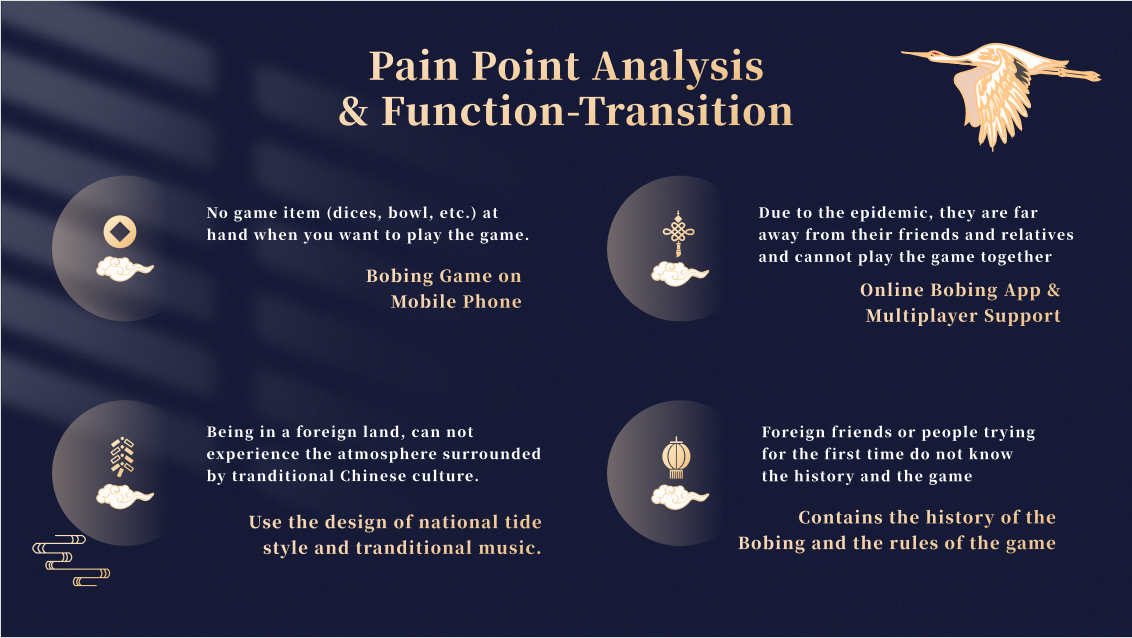
For holding a Mid-Autumn Festival event (Bobing) in the laboratory yesterday, but the rules need to be manually determined, the dice equipment is not complete, and remote students cannot participate in the epidemic prevention and control.
2.2 User Analysis & Identification of Functions
Analyzing the project background, we made a comprehensive consideration, and summarized the following pain points and the corresponding functions.
2.3 NABCD Model Analysis
N (Need)
The target user of our APP is the epidemic of college students. We designed the Mooncake Gambling for students who did not have game items (dice and bowls) and were unable to reunite with their families due to epidemic control. At the same time, connected with the characteristics of the international college, taking into account the overseas dissemination of the Bobing culture, we use English to design the APP.
A (Approach)
We combine students' offline group building and online playing, trying to simulate the real scene of Bobing: 2D simulate six dice rotating in the bowl, and randomly generate six points; click throwing will include the sound effect of dice falling into the bowl, giving users a more realistic experience.
B (Benefit)
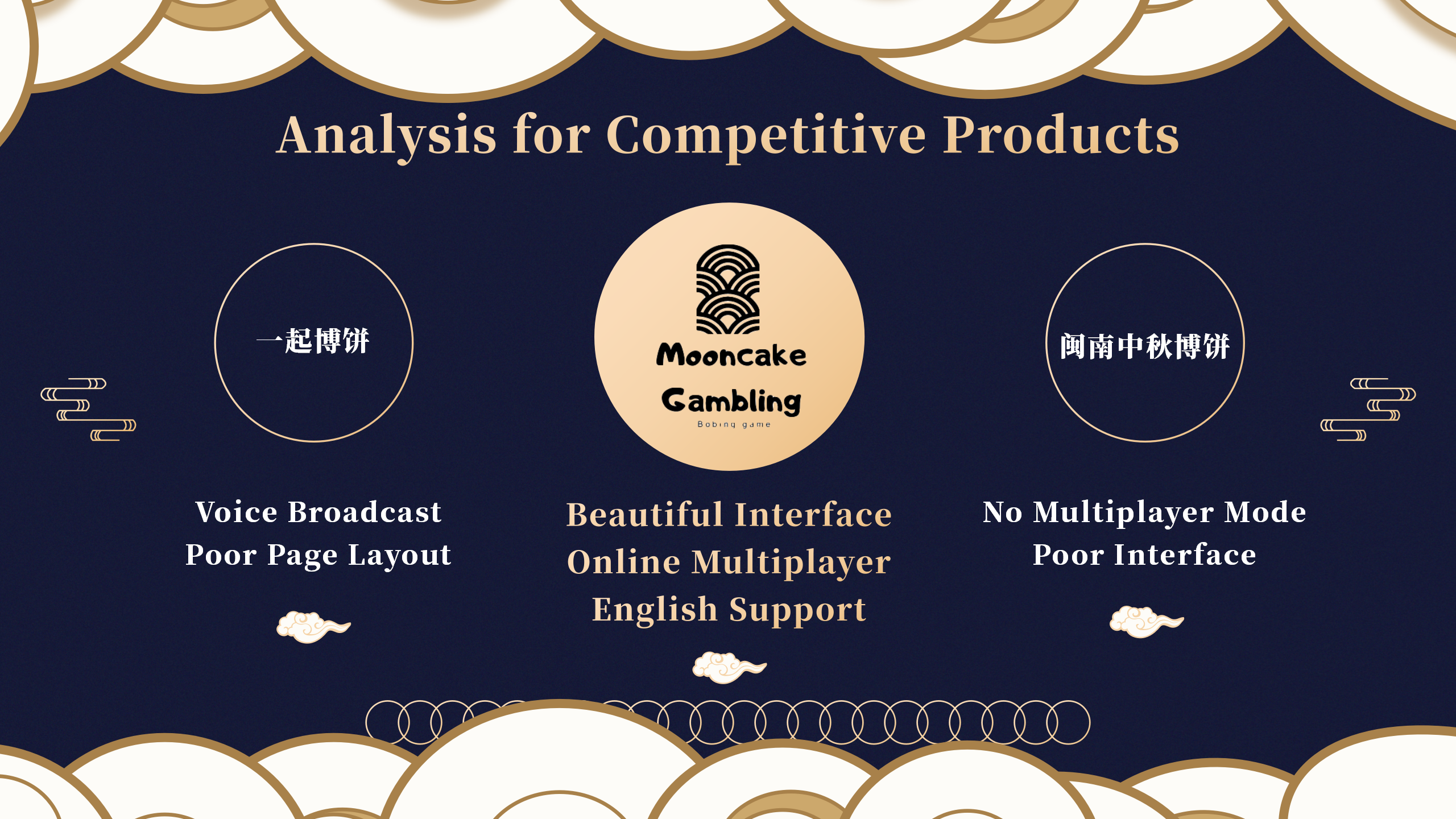
1.China-fashion style design. Modern design integrating traditional Chinese elements is more inclusive to international friends and more in line with the aesthetic appreciation of contemporary young people.
2.Multipeople play online. It solves the problem of offline inability to reunite due to epidemic isolation.
C (Competitors)
We have analyzed the competing products of the existing Bobing mini program, and the results are as follows:
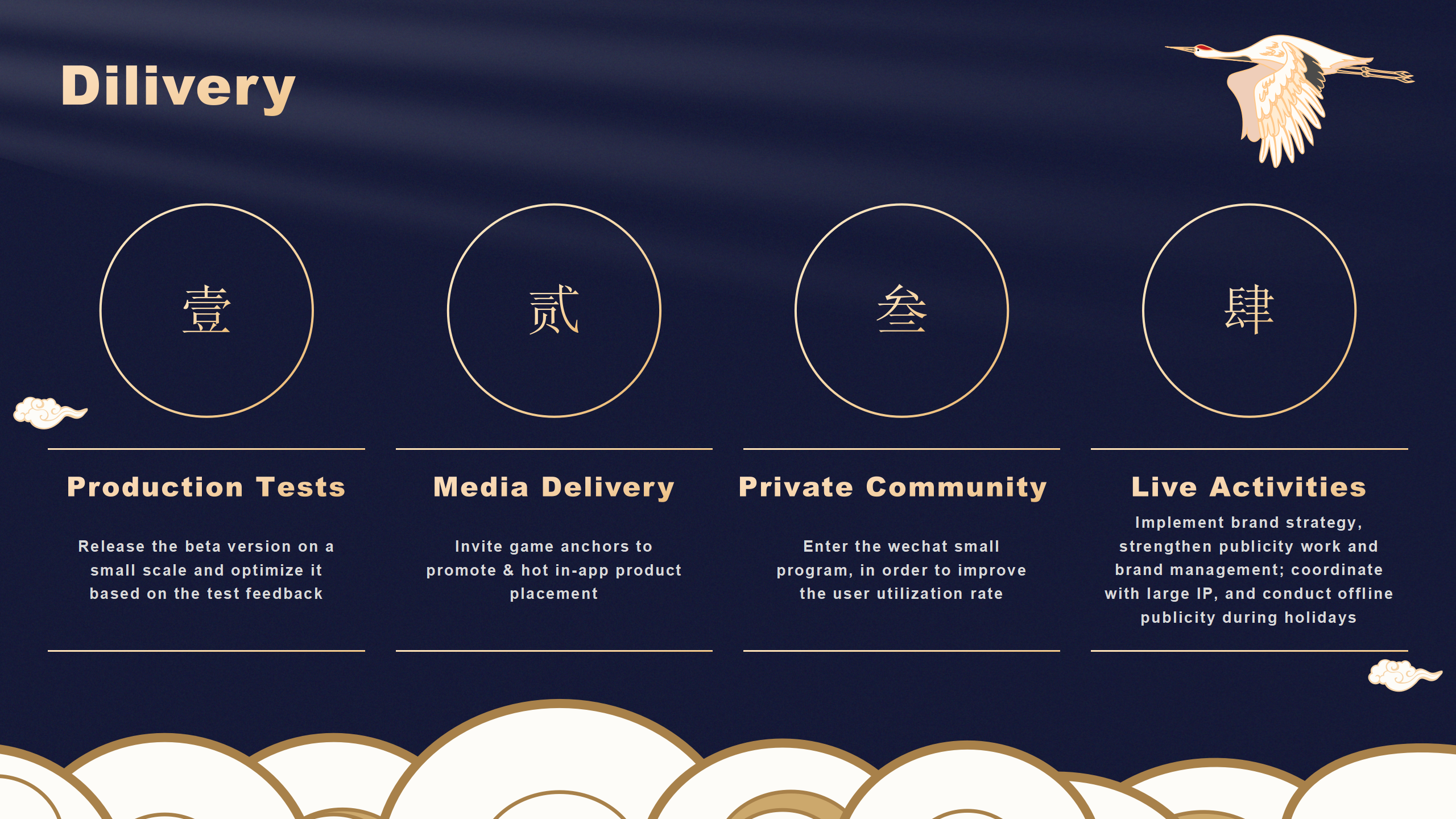
D (Delivery)
3. Prototype Model
3.1 Prototype Tool
Axure

3.2 Visual Design Principle
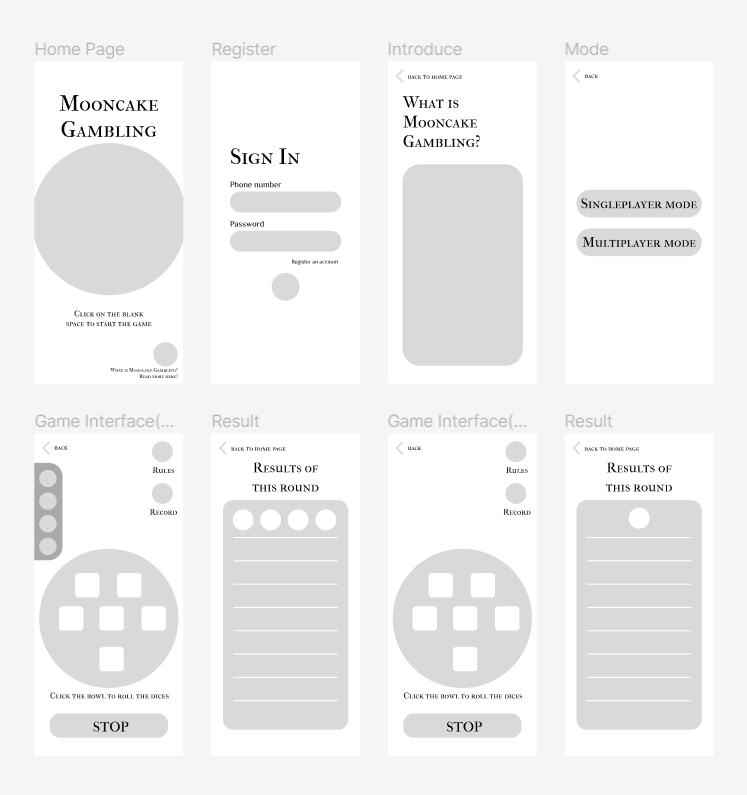
3.3 Low-fi Prototype & Interactive Design
3.4 Logo Design

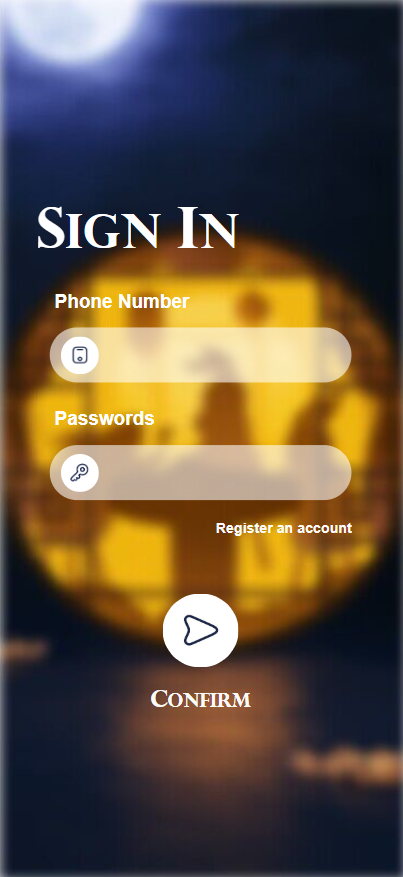
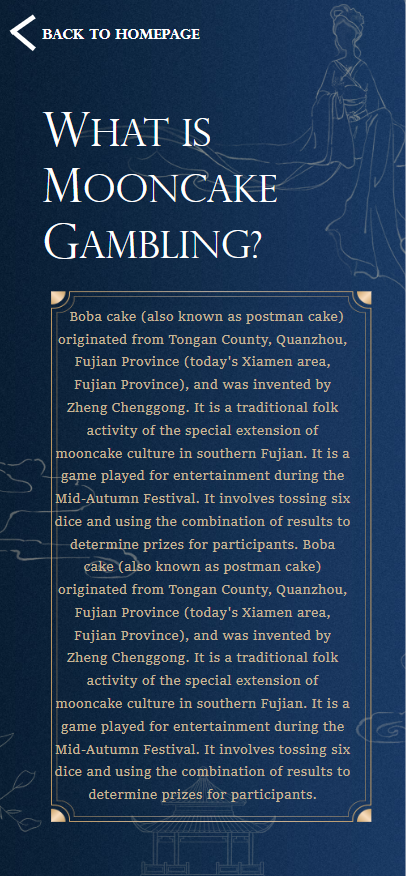
3.5 UI Interfacial Design


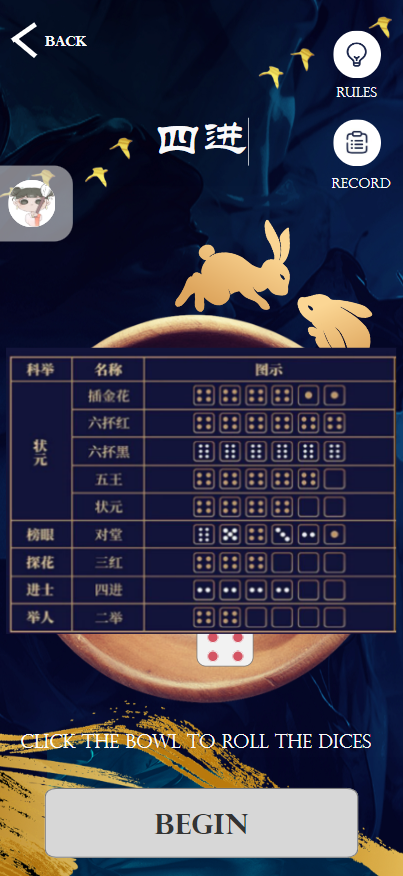
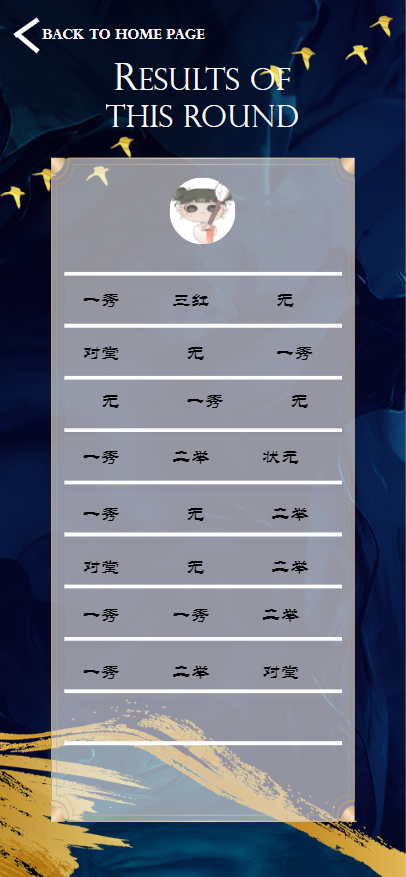
3.6 Prototype Display Online Link
4. Pair Work Photo
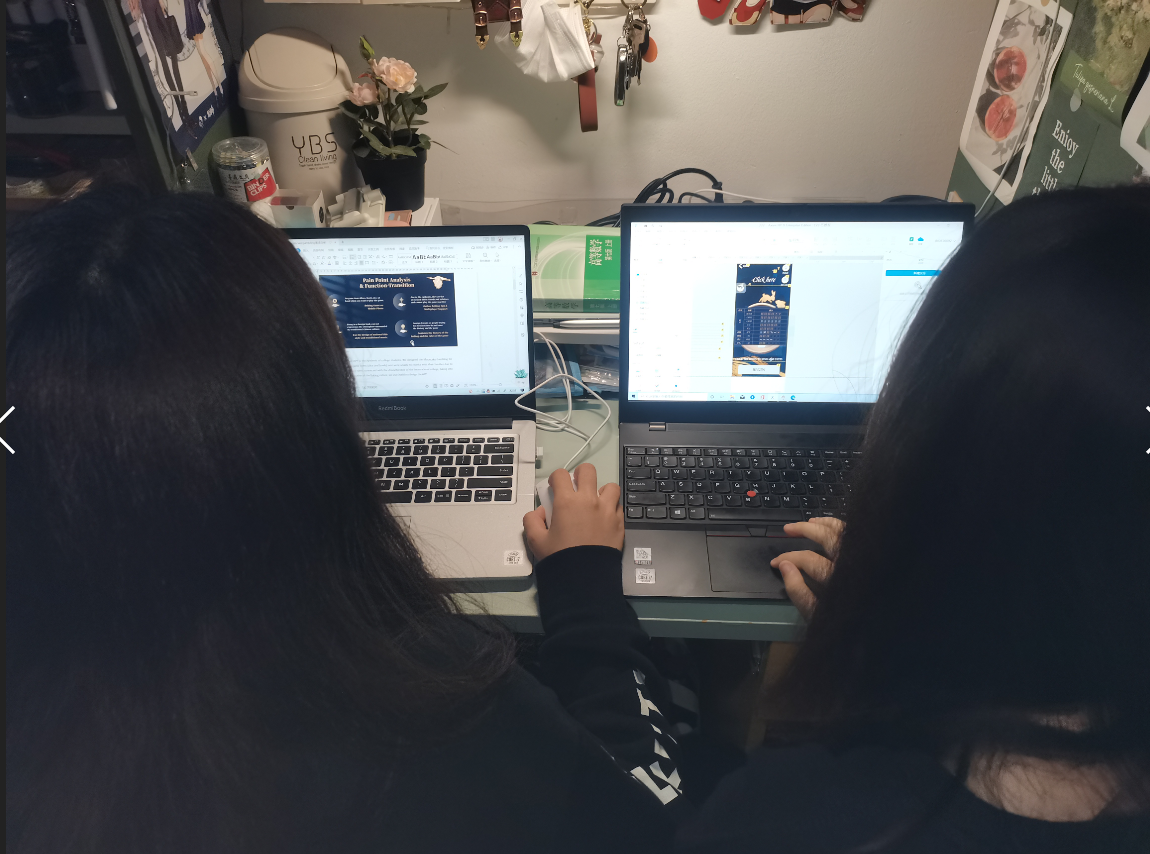
5. Summary
Through this protodesign, we learned a lot:
1.Use of Axure prototype tools and dynamic efficiency design.
We were familiar with XD and Figma before, but in this Lab, we met with complex dynamics (the generation of six random dice and animation). So I completely jumped out of my comfort zone, and re-learned the use of Axure, and achieved good results.
2.I learned the demand analysis and writing method.
3.The UI design specifications were reviewed in detail.
The next questions are faced:
1.Page switching is too slow, we can speed it up.
2.We can add a proper soundtrack to the game.
3.We can add the ability to store data, and can also try to make the game online
相关推荐
EE-308 LAB4 final version.7z
这是本次实验的压缩包
静止无功发生器SVG仿真模型(附对应说明报告+搭建仿真过程的参考文献)
静止无功发生器SVG仿真模型(附对应说明报告+搭建仿真过程的参考文献)内容概要:本文围绕静止无功发生器(SVG)的仿真模型展开,重点介绍了基于Simulink平台搭建的三相SVG系统,适用于不平衡电网条件下的无功补偿场景。文中提及采用级联H桥拓扑结构与三层控制策略,实现对无功功率的精确动态补偿,并包含详细的仿真模型、说明报告及参考文献支持,有助于深入理解SVG的工作原理与控制方法。同时,资源还涵盖了TCR+FC型SVC等多种无功补偿装置的仿真模型,为电力系统无功优化提供了全面的技术参考。; 适合人群:电气工程及相关专业的高校学生、从事电力系统仿真与无功补偿研究的科研人员,以及具备一定MATLAB/Simulink基础的工程技术人员。; 使用场景及目标:①用于教学与科研中对SVG、SVC等无功补偿装置的工作原理和控制策略进行仿真验证;②支撑电力系统中无功优化、电能质量提升等相关课题的研究与设计;③为含分布式电源的配电网无功电压协调控制提供模型基础和技术路径。; 阅读建议:建议结合提供的说明报告与参考文献,逐步搭建并调试仿真模型,重点关注控制策略的实现逻辑与参数整定方法,同时可对比不同无功补偿方案的仿真结果以加深理解。
无刷直流电机(BLDCM)转速电流双闭环控制、三相桥式星型全控电机研究(Simulink仿真实现)
内容概要:本文系统研究了无刷直流电机(BLDCM)的转速电流双闭环控制策略,基于三相桥式星型全控电路结构,在Matlab/Simulink平台上构建了完整的仿真模型,深入对比了传统PID、模糊PID与模糊神经网络PID三种控制算法在电机调速系统中的动态响应特性、抗干扰能力及稳态控制精度。研究涵盖了无刷直流电机的数学建模、驱动电路设计、双闭环控制器结构设计、控制策略实现以及仿真结果的综合分析,重点剖析了不同智能控制算法在优化系统性能方面的优势与适用场景,为高性能电机控制系统的开发提供了详实的理论依据、仿真验证方法和技术参考。; 适合人群:具备自动控制原理、电力电子技术和Matlab/Simulink仿真基础的电气工程、自动化、机电一体化等专业的本科生、研究生,以及从事电机驱动与控制、电力电子系统研发的工程技术人员。; 使用场景及目标:① 深入学习和掌握无刷直流电机的基本工作原理、数学模型及矢量控制基础;② 理解并独立设计转速与电流双闭环控制系统的架构,掌握PI/PID控制器的参数整定方法;③ 对比分析传统控制与智能控制(模糊、神经网络)在电机调速系统中的应用效果,探究如何提升系统的快速性、鲁棒性和控制精度;④ 为电机控制相关的课程设计、毕业设计、科研项目申报及工业产品原型开发提供可复现的仿真案例和实践指导。; 阅读建议:建议读者在阅读时同步搭建或运行所提供的Simulink仿真模型,通过调整控制器参数、设置不同的负载扰动和转速指令,亲身体验并观察各控制策略的响应曲线差异,重点关注控制算法模块的设计逻辑与仿真结果的定量对比分析,以深化对理论知识的理解,有条件者可进一步结合DSP等硬件平台进行实验验证,实现从仿真到实物的完整闭环。
国央企创新负责人如何实现科技成果与企业创新需求的精准对接?.docx
国央企创新负责人如何实现科技成果与企业创新需求的精准对接?
无刷直流电机BLDC双闭环调速系统Matlab仿真与建模
内容概要:本文围绕无刷直流电机(BLDC)双闭环调速系统的Matlab/Simulink仿真与建模展开,系统实现了转速电流双闭环控制策略,并深入对比了模糊神经网络PID、模糊PID与传统PID三种控制方法在BLDC调速系统中的动态响应、抗干扰能力和控制精度。文档提供了多个高保真的Simulink仿真模型,涵盖无位置传感器控制、滑模观测器、三相桥式星型全控电路等核心技术模块,旨在通过精细化建模仿真,帮助读者深入理解BLDC的控制机理、系统稳定性及动态性能。此外,资源还整合了静止无功发生器(SVG)、静止无功补偿器(SVC)等电力系统装置的仿真模型,展现了电机控制与电力电子、无功补偿技术深度融合的研究背景,为复合型课题研究提供技术支持。; 适合人群:具备扎实的电机控制理论基础和熟练的Matlab/Simulink仿真能力的电气工程、自动化、电力电子及相关专业的高年级本科生、研究生、科研人员,以及从事电机驱动系统、新能源发电或电力系统自动化开发的工程师。; 使用场景及目标:①掌握无刷直流电机双闭环调速系统的设计与仿真方法,深入理解电流环与转速环的协同控制机制;②对比分析传统PID、模糊PID与模糊神经网络PID等先进控制算法在动态响应速度、超调量、稳态精度及鲁棒性方面的性能差异;③为毕业设计、科研项目或工程实践提供可复现、可拓展的仿真平台与技术参考,支持从理论建模到算法优化的全流程研究。; 阅读建议:建议读者结合文中提供的详细Simulink模型、说明文档与参考文献,循序渐进地搭建与调试控制系统,重点关注控制器参数整定、反馈信号处理、观测器设计及仿真结果的定量分析。对于进阶应用,可进一步探索无感控制策略、滑模观测器优化、多电机协同控制等方向,并通过对比实验验证不同控制算法的适用边界与优化潜力。