


286
社区成员
 发帖
发帖 与我相关
与我相关 我的任务
我的任务
 分享
分享| Responsible person blog Link | https://bbs.csdn.net/topics/610273248 |
|---|---|
| The Link Your Class | https://bbs.csdn.net/forums/MUEE308FZU202201 |
| The Link of Requirement of This Assignment | https://bbs.csdn.net/topics/609330258 |
| The Aim of This Assignment | Team introduction, topic selection report, requirement analysis report |
| MU STU ID and FZU STU ID | 20122586_832001315 |
Member 1:
Name: Pu Bingqian
Style: Perfectionist
Skills: C++, figma, PS, AE
Programming interests: UI, products, back end
Expected Software Engineering role: Product Manager , UI design
Member 2:
Name: Tan Hairuo
Style: Early done, early done
Skills: Basic Axure application, basic front-end development, and a little back-end development
Programming interests: UI design, front-end development
Expected Software engineering Roles: Front-end code writing , Post-processing of validation and reporting
Member 3:
Name: Huang Lei
Style: Don't want to rush ddl
Skills: C++, Python
Programming interests: Page development
Expected software engineering role: uml drawing , Front-end code writing
Member 4:
Name: Wenlin Huang
Style: Obsessive-compulsive format
Skills: UI design, a little front-end development
Programming interests: UI design
Expected Software Engineering roles: uml drawing , back-end code writing,
Member 5:
Name: Xu Shuyue
Style: Romantic
Skills: Axure Basic application, C++
Programming interests: UI design
Expected software engineering role: front-end development , ppt production
Member 6:
Name: ZHENGNI YAO
Style: funny
Skills: Axure Basic use ,C++ ,python
Programming interests: Back end programming
Expected software engineering role: back-end code writing,
Member 7:
Name: Wu Ruike
Style: Minimalist
Skills: UI design, basic knowledge of database use
Programming interests: UI design, blog writing
Expected software engineering role: back-end code writing , Post-processing of validation and reporting
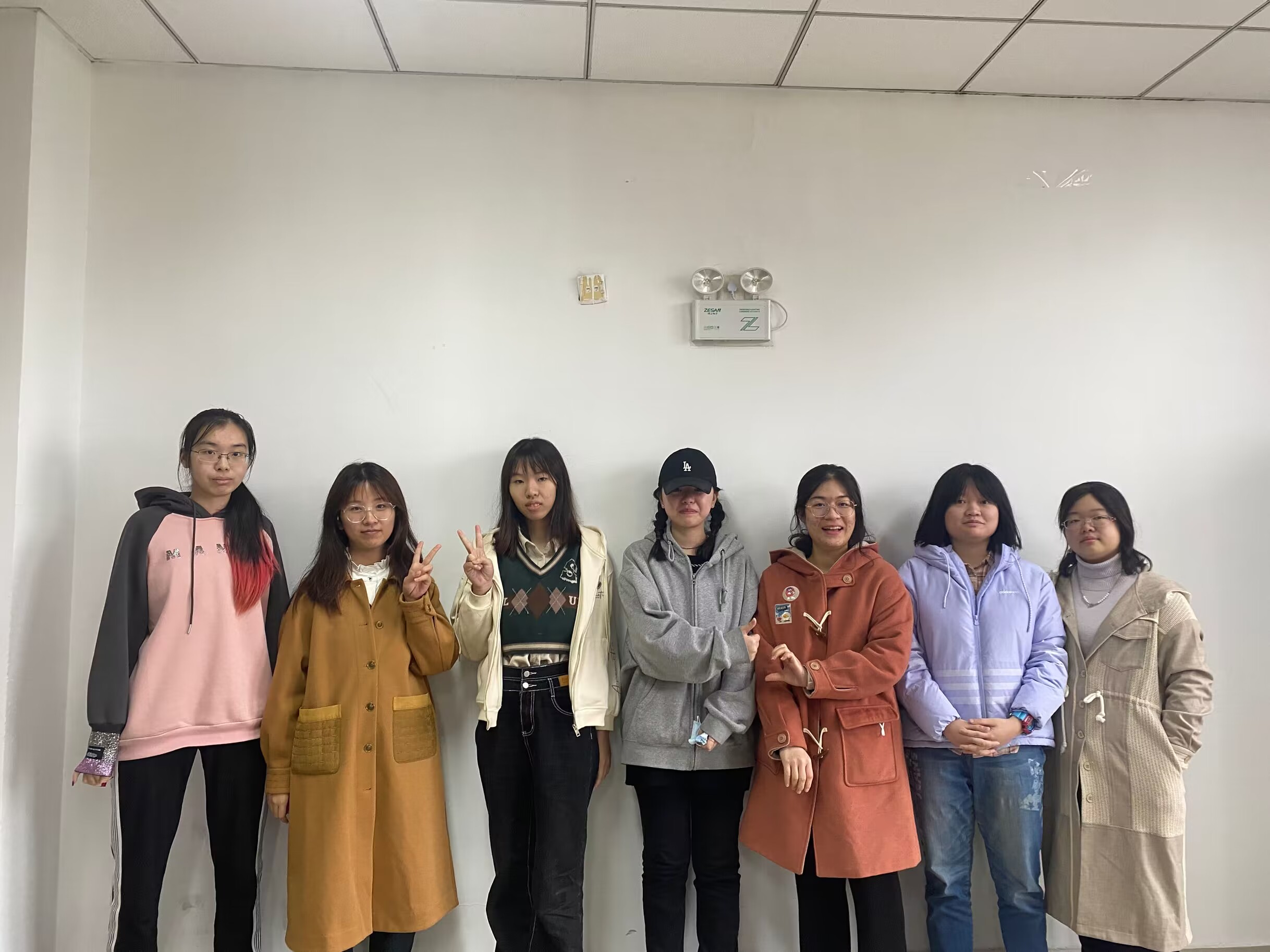
All the team members have some skills in front-end UI and back-end, and they complement each other and have strong learning ability. At the beginning of the project, we established a clear project goal and defined the division of labor. Our team has a harmonious communication environment, everyone is good at solving problems through communication and feedback.During the process of the project, we actively communicated with each other and had several group discussions to solve the difficulties together. At the same time reference to other more mature technology, and formed our own works. After long-term learning, running-in, adjustment and innovation, the team formed an active, efficient, cooperative and creative team, and finally got a satisfactory result

This product is based on authentic letter delivery. It takes time to send and receive an electronic letter with a strange pen-pal, just like a real letter needs to travel to reach the hand, allowing the user to experience a letter exchange.
本产品仿真实书信传递方面出发。与陌生笔友之间电子信件的接收发送需要时间,就像真实的书信需要经过跋涉才能到达手中,让用户体验到书信交流。
In order to more objectively reflect the different factors of each member's performance, some of them use a two-dimensional evaluation system:
Dimensions of task completion: Annual goals are mainly discussed by team members and the team leader, who has greater freedom to decide the proportion of "over-fulfilled/completed/incomplete". For example, most members can get a "done" rating.
Team contribution dimension: Again, strictly based on the percentage of people, identify the best 20% of the team, the middle 70%, and the 10% most in need of improvement. Under ideal conditions, the task is done well, and of course the contribution will be in the top 20%; Those who do the worst should contribute the lowest 10%. But in practice it is much more complicated, some people because the task is relatively simple, complete very well, but the contribution to the whole group is not so great, this kind of person can get [over complete,70%] position. Some people dare to do difficult things, the results may not be satisfactory, but is important to the team,[qualified,20%] should be a suitable evaluation.
| member | Proportion of contribution |
|---|---|
| BINGQIAN PU | 104.00 |
| HAIRUO TAN | 99.44 |
| ZHENGNI YAO | 99.42 |
| SHUYUE XU | 99.40 |
| WENLI HUANG | 99.38 |
| LEI HUANG | 99.36 |
| RUIKE WU | 99.00 |
Mind map
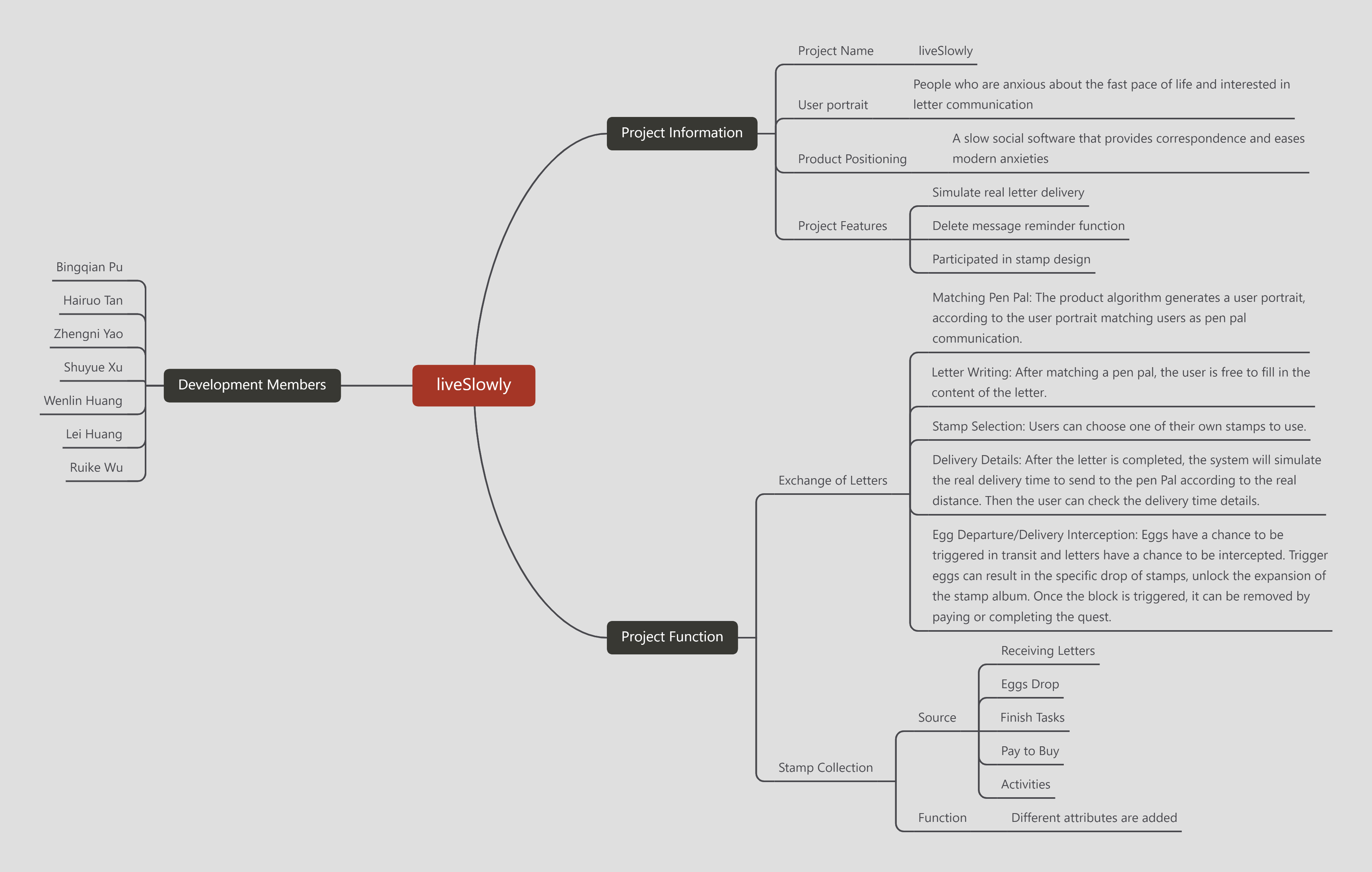
login module
Person in charge:BINGQIAN PU,
Description: User login or account registration interface, and it can also help the users to retrieve the forgotten password.
Problems faced by this part: Be not familiar with how a user's registration information is sent from the front end to the back end and how the back end determines whether the user's account and password are correct.
Problems solved: Orderly logical jump between registration, login, and password retrieval interfaces.
Attachment: (All UML diagrams of this part)
write module
Person in charge:HAIRUO TAN
Description: Functions include matching pen pals, writing letters, selecting letter stamps and checking delivery details.
Problems faced by this part: How do random egg drops or mail intercepts happen.
Problems solved: How to get the geographic location of two parties and calculate the distance between them->Find the relevant methods and codes to get location on CSDN
Attachment: (All UML diagrams of this part)
stamp collection module
Person in charge:LEI HUANG
Description: Users can view all the stamps they own.
Problems faced by this part: A real-time update of the user's stamp status is required.
Problems solved: Self-designed and painted a variety of stamp styles->Draw directly inside Figma, with reference to the many stamp styles available.
Attachment: (All UML diagrams of this part)
stamp store module
Person in charge:WENLING HUANG,
Description: Users can view all the different series of stamps on sale and see how many have been collected so far for each series. Users can also choose to buy all the stamps in the series or just a single stamp.
Problems faced by this part: The preset stamp series is rich, and the UI design of all series stamps has not been realized yet.
Problems solved: Design stamp styles in different series ->By using different materials to draw different styles of stamps in Figma.
Attachment: (All UML diagrams of this part)
附件:
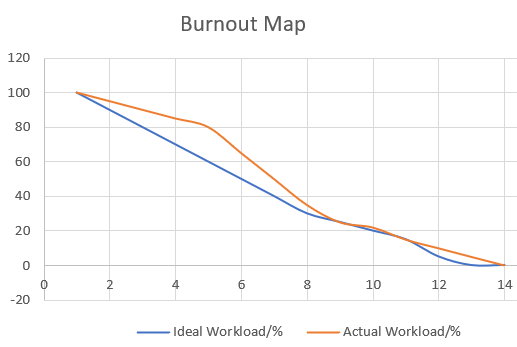
| Week | New code | Cumulative code | Time spent studying this week (hours) | Cumulative learning time (hours) | The knowledge learned |
|---|---|---|---|---|---|
| 1 | 700 | 700 | 7 | 7 | uml diagram drawing |
| 2 | 900 | 1600 | 8 | 15 | Basic framework for front-end code |
Selection of UML design tools, reasons for selection and evaluation of tools after use.
We used the online site ProcessOn. Compared with other UML rendering software, it requires no application download and supports multi-person collaboration, greatly improving the working efficiency. In addition, there are many templates available on the site, and exporting images is easy.
https://www.bilibili.com/video/BV1Ed4y147ua/?vd_source=c097d07b73ffad0fbcaf33c3a2e73b7c

