FZU-SE-EE308-2022秋

Lab3-1-08-topic selection and requirement analysis report
 墨衍会员 · AI 创作全网分发 墨衍智能分发 通过墨衍一键同步至各平台 可同步平台 CSDN微信公众号微博知乎掘金百家号博客园抖音小红书 你的文章也可以这样分发 墨衍会员 ¥399起/年,写一次发全网
我也要 关注 + 加入社区
| The Link Your Class | https://bbs.csdn.net/forums/MUEE308FZU202201 |
|---|---|
| The Link of Requirement of This Assignment | https://bbs.csdn.net/topics/609330258 |
| Blog of Leader | https://bbs.csdn.net/topics/610161358 |
| MU STU ID and FZU STU ID | 20124643_832001218 |
| Video Link | https://www.bilibili.com/video/BV1Uv4y197A2 |
1.Team Gathering
1.1 Introduction of Team Members
The introductions of the team members will be presented in a table, as shown in the following table.
| Name | Skills | Programming Interests | Role | STU Number |
|---|---|---|---|---|
| Kaixi Chen(leader) | Make ppt,painting | The front end | Project director | 832002214 |
| Chenyu Yan | Supervision of tasks,people actively | Requirements report document | The front end | 832001222 |
| Zichen Huang | Copy writing,programming | The uml diagram,the consultant research | The back end | 832001208 |
| Yu Zhou | Basketball,the game | The front end | The front end | 832001325 |
| Jiaqi Wu Le | Code,painting | Prototyping | The front end | 832001207 |
| Yuzhe Zhang | Video editing,copy writing | Product presentation | The front end | 832001310 |
| Wenjie She | Copy writing | Annotation of requirement | The back end | 832001330 |
| Jingyu Qing | Group division,the game | Prototype debug | The front end | 832001228 |
| Yangkun Xie | Programming,the game | Interface layout | The back end | 832001218 |
| Jiewen Liu | Debrief,investigate | The front end | The front end | 832001217 |
1.2 Team Characteristics
The team has the best communication and writing atmosphere to maximize work efficiency.
The team has a reasonable division of labor, and the primary goal is to complete the software. The most appropriate work is assigned to each team member to the maximum extent, so as to further improve the work efficiency.
The team has a reasonable division of labor, and the primary goal is to complete the software. The most appropriate work is assigned to each team member to the maximum extent, so as to further improve the work efficiency.
1.3 Team Logo

1.4 prototype


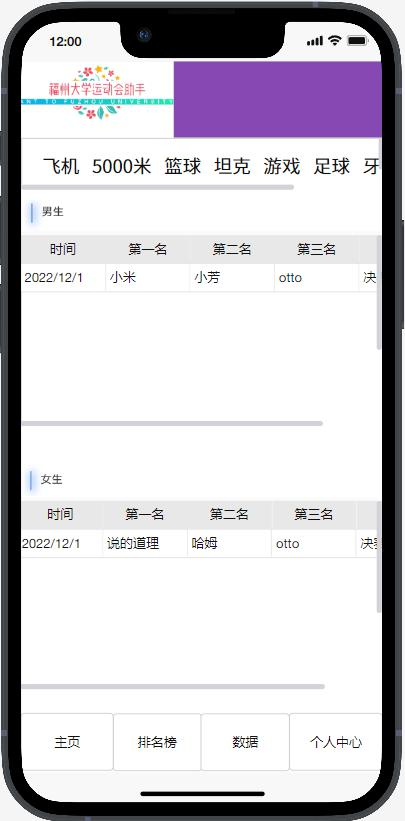

1.5 Photo of the team
Ten of us!

2. Start action
2.1 Project Summarize
Our team will complete the multi-role, multi-functional school sports assistant software.
我们团队将完成面向多角色,多功能的校运会助手软件。
2.2 Criteria of individual contribution determination
We regard the completion of the overall task as 100%, and each task is assigned according to the actual situation of the individual. If the task has been completed, then the corresponding progress will be updated and the individual contribution will be made in turn. At the same time, our team will also evaluate the contribution of each person. If an individual completes excellent work, he will be rewarded with 10% additional contribution on the basis of the original contribution.
2.3 Individual Contribution
| Member | Proportion |
|---|---|
| Kaixi Chen | 105% |
| Chenyu Yan | 110% |
| Zichen Huang | 100% |
| Yu Zhou | 80% |
| Jiaqi Wu Le | 120% |
| Yuzhe Zhang | 80% |
| Wenjie She | 105% |
| Jingyu Qing | 100% |
| Yangkun Xie | 90% |
| Jiewen Liu | 110% |
| Total | 1000% |
3. Drip Record
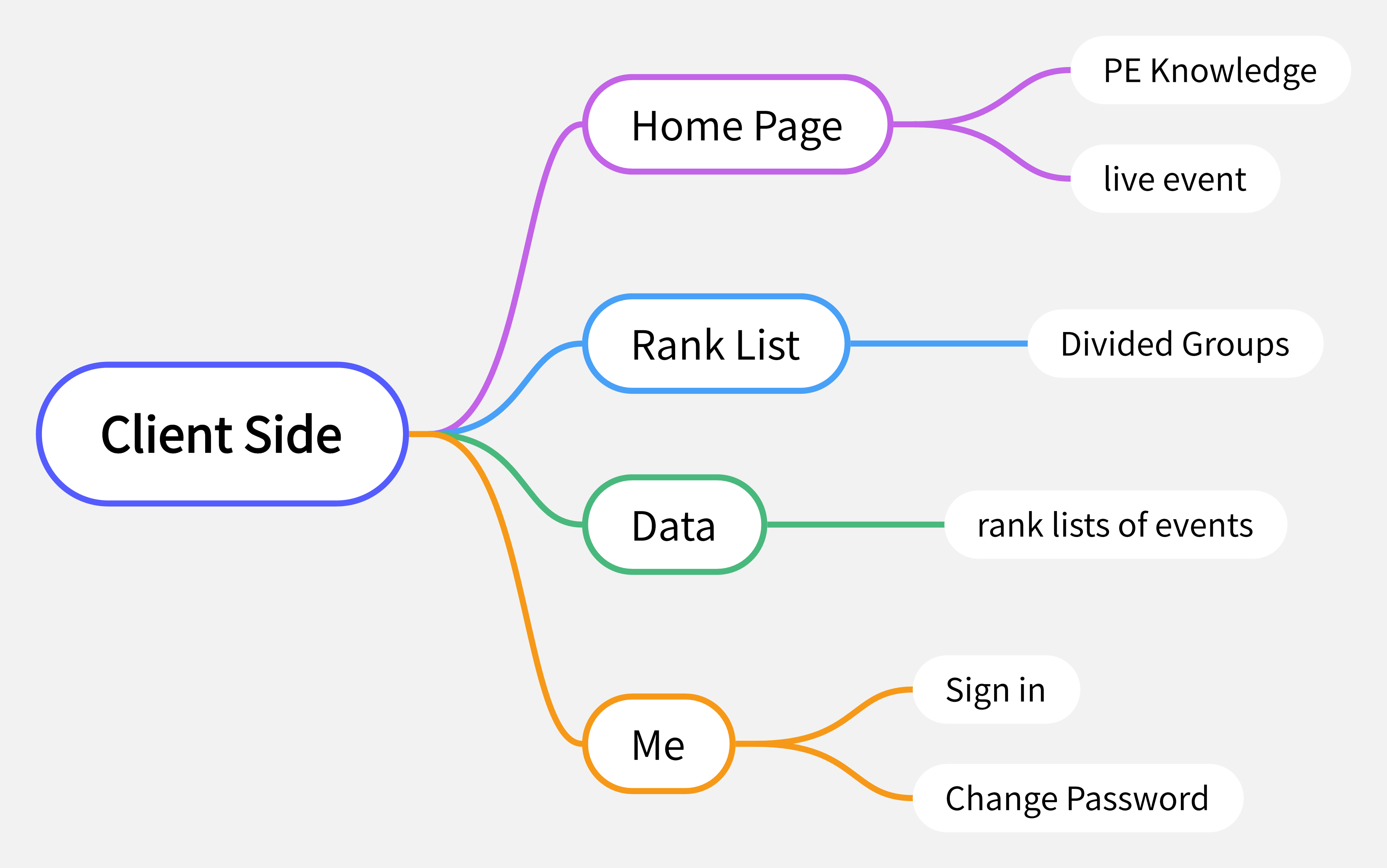
3.1 Mind Map
| Mind Maps |
|---|
|
| Record |
|
| About Client Side |
|
| About Management Side |


3.2 Burnout Map

3.2 UML
3.2.1 Use Case Diagram
• Person in charge: Jiewen Liu
• Description:Use case diagrams visually show which users are available. The use case diagram also shows what functions are provided to the user, making it easy to understand and clear to understand.
• Problems faced by this part:The concept of a use case diagram is unclear, as is the tool for drawing it.
• Problems solved:By querying the data of the use case diagram, understand the use case diagram, and at the same time according to the use case diagram drawn by others, to imitate the drawing of the use case diagram.

3.2.2 Class Diagram
• Person in charge: Chenyu Yan
• Description:Class diagrams are extremely important tools in software engineering. Class diagram will be an abstract representation of the entire software, show the relationship between classes, but also show the internal methods of the class, for the later coding to lay a solid foundation.
• Problems faced by this part:Similar to the use case diagram, the main problem is that the concept of class diagram is not clear, do not know how to draw the class diagram. At the same time, the bigger problem is the lack of object-oriented thought, the abstract ability of the class is insufficient.
• Problems solved:The first is to solve the class diagram concept problem, through drawing a simple class diagram to deepen the understanding of the concept of class diagram. The second is to solve the object-oriented abstraction ability, we will first split the whole problem into as simple as possible subproblems, and then think about how to solve the subproblems, need to use what classes, what methods, and finally use the class diagram to draw lines this process.


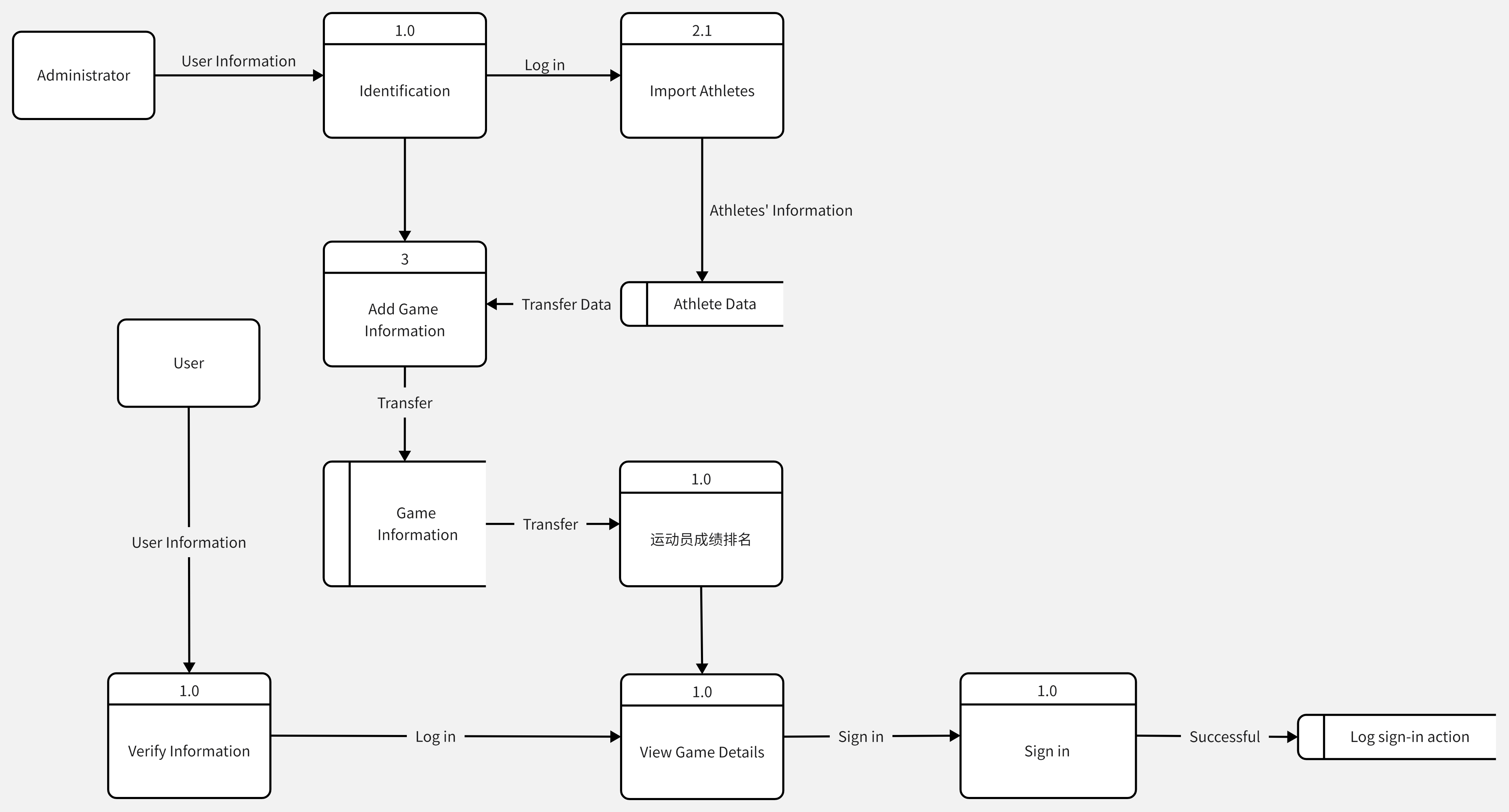
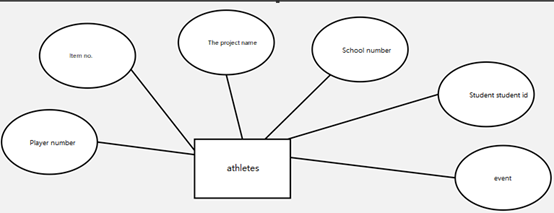
3.3 Entity Relationship diagram (ER)
• Person in charge: Lejiaqi Wu
• Description:Entity relationship diagram is an important link before database design. The entity diagram represents the attributes of the entity and abstracts the entity. An entity often corresponds to a table in the database.
• Problems faced by this part:Firstly, the concept of entity relationship diagram is not clear. Secondly, the abstract ability of entity is insufficient, which is not able to establish the connection with the corresponding strength according to the specific business.
• Problems solved:Understand the design of ER diagram by referring to data related to database design specification. In the process of learning, we should first understand the specific business requirements, and then design the corresponding entity according to the requirements, so as to provide important support for the implementation of the subsequent business.



3.4 Learning Progress Bar
Member: Kaixi Chen
| Week | New lines | Cumulative lines | Time spent on learning this week(hours) | Cumulative time spent on learning(hours) | Important growth |
|---|---|---|---|---|---|
| 1 | 100 | 100 | 10 | 10 | Discuss and determine project topics. |
| 2 | 200 | 300 | 20 | 30 | Make ppt and the demo video. |
Member: Chenyu Yan
| Week | New lines | Cumulative lines | Time spent on learning this week(hours) | Cumulative time spent on learning(hours) | Important growth |
|---|---|---|---|---|---|
| 1 | 250 | 250 | 16 | 16 | Start writing java code,etc. |
| 2 | 500 | 750 | 30 | 46 | Develop the back end of the prototype. |
Member: Zichen Huang
| Week | New lines | Cumulative lines | Time spent on learning this week(hours) | Cumulative time spent on learning(hours) | Important growth |
|---|---|---|---|---|---|
| 1 | 100 | 100 | 8 | 8 | Prepare proposal reports. |
| 2 | 200 | 300 | 12 | 20 | Write the final report. |
Member: Jiaqi Wu Le
| Week | New lines | Cumulative lines | Time spent on learning this week(hours) | Cumulative time spent on learning(hours) | Important growth |
|---|---|---|---|---|---|
| 1 | 200 | 200 | 12 | 12 | Start writing python and java code,etc. |
| 2 | 500 | 700 | 28 | 40 | Develop the front and back end of the prototype. |
Member: Wenjie She
| Week | New lines | Cumulative lines | Time spent on learning this week(hours) | Cumulative time spent on learning(hours) | Important growth |
|---|---|---|---|---|---|
| 1 | 100 | 100 | 5 | 5 | Record a video,and prepare for the defense. |
| 2 | 100 | 200 | 5 | 10 | Develop the back end of the prototype. |
Member: Yu Zhou
| Week | New lines | Cumulative lines | Time spent on learning this week(hours) | Cumulative time spent on learning(hours) | Important growth |
|---|---|---|---|---|---|
| 1 | 50 | 50 | 2 | 2 | Participate in discussion of project topics. |
| 2 | 100 | 150 | 7 | 9 | Develop the front end of the prototype. |
Member: Yuzhe Zhang
| Week | New lines | Cumulative lines | Time spent on learning this week(hours) | Cumulative time spent on learning(hours) | Important growth |
|---|---|---|---|---|---|
| 1 | 0 | 0 | 2 | 2 | Participate in discussion of project topics. |
| 2 | 100 | 100 | 5 | 7 | Develop the front end of the prototype. |
Member: Jiewen Liu
| Week | New lines | Cumulative lines | Time spent on learning this week(hours) | Cumulative time spent on learning(hours) | Important growth |
|---|---|---|---|---|---|
| 1 | 0 | 0 | 2 | 2 | Participate in discussion of project topics. |
| 2 | 0 | 0 | 4 | 6 | Translating Report Contents. |
Member: Yangkun Xie
| Week | New lines | Cumulative lines | Time spent on learning this week(hours) | Cumulative time spent on learning(hours) | Important growth |
|---|---|---|---|---|---|
| 1 | 0 | 0 | 1 | 1 | Participate in discussion of project topics. |
| 2 | 0 | 0 | 1 | 2 | Group Message Notification. |
Member: Jingyu Qing
| Week | New lines | Cumulative lines | Time spent on learning this week(hours) | Cumulative time spent on learning(hours) | Important growth |
|---|---|---|---|---|---|
| 1 | 0 | 0 | 1 | 1 | Participate in discussion of project topics. |
| 2 | 0 | 0 | 0 | 1 |
3.5 Experience
The whole development of the project is done by the whole team, not by the strength of one person. In terms of experience exchange, I think team communication is the most important.
First of all, define and conduct communication meetings. At different levels of the project, formulate different topics to discuss. For example, in the early stage of the project, the most important thing is to make what kind of things, and then to dig into the needs of users. If you can't face the user directly, put yourself in the user's shoes and figure out what kind of feature you want.
Then during the project implementation process, in order to eliminate the barrel effect, every project member should catch up with the schedule. Members who are doing well should stop and share their own experience to help those who are doing slowly. At the same time, those who are slow should also throw out their own questions, so that we can make suggestions together to promote the progress of the project.
Finally, the process of realizing this project is also a learning process. We should not be stingy with our knowledge and share it with team members. Such a good atmosphere can form a good cycle. The use of tools, the understanding of concepts can be consulted on the Internet, the most important thing is their own attitude.
4. Video Clip
相关推荐
F题 简易多功能计数1.rar
F题 简易多功能计数1.rar
科技中介服务机构想要提升服务效率,需要哪些数智工具支持?.docx
科技中介服务机构想要提升服务效率,需要哪些数智工具支持?
usb 扩容盘检测修复工具源码,编译产物
usb 扩容盘检测修复工具源码,编译产物
融合UWB和IMU割草机定位EKF研究(Matlab代码实现)
内容概要:本文主要介绍了一个名为“Plecs全桥LLC谐振变换器仿真模型”的技术资源,该资源聚焦于电力电子领域中的LLC谐振变换器建模与仿真,涵盖开环、闭环控制、软启动设计及参数优化等核心内容。文档不仅提供了LLC变换器的详细建模方法与仿真案例,还系统梳理了其在高效电源转换系统中的应用,包括隔离型全桥拓扑结构的设计与性能分析。此外,资源汇总了大量Matlab/Simulink仿真模型及相关科研方向,涉及新能源并网、储能控制、电机驱动等多个前沿领域,全面展示LLC谐振变换器在现代电力系统中的关键技术实现路径。同时,文档附带多种学习资料获取途径,如网盘链接和公众号资源,便于研究人员深入实践与拓展研究。; 适合人群:具备扎实的电力电子、自动控制理论基础,从事新能源发电、开关电源设计、电力系统仿真等相关领域的研究生、工程师及科研人员。; 使用场景及目标:①深入理解LLC谐振变换器的工作原理、建模方法与控制策略;②开展电力电子变换器的仿真验证与参数优化设计;③支撑科研项目、学位论文或工程项目的系统仿真与方案验证; 阅读建议:建议结合所提供的仿真模型与参考文献,使用Plecs或Simulink软件进行动手实践,重点掌握LLC谐振变换器的建模流程、闭环控制设计、软启动机制及参数调试技巧,以全面提升在实际工程中的应用与创新能力。
基于变频控制的多相交错LLC谐振变换器闭环仿真(Simulink仿真实现)
基于变频控制的多相交错LLC谐振变换器闭环仿真(Simulink仿真实现)内容概要:本文主要介绍了基于Plecs的全桥LLC谐振变换器仿真模型,涵盖变频控制下的多相交错LLC谐振变换器闭环仿真、V2G电动汽车ACDC整流与双向CLLC谐振变换器充放电仿真、LLC谐振变换器的开环与闭环软启动设计,以及储能系统中双向Buck-Boost变换器结合模型预测电流控制和电压下垂控制的仿真研究。同时,文档列举了多种电力电子系统与控制策略的Simulink/Plecs仿真案例,涉及三相交错并联Buck变换器、三电平Buck直流变换器、单相Boost PFC电路等,展示了丰富的电力变换器建模与控制技术。此外,还包括参数设计报告、计算书及相关参考文献,适用于从事电力电子、新能源发电、电动汽车充放电系统等领域的研究人员和技术开发人员。; 适合人群:具备电力电子、自动控制理论基础,从事新能源、电动汽车、电力系统等相关领域研究的研发人员、高校研究生及高年级本科生。; 使用场景及目标:① 学习和掌握LLC谐振变换器及其他典型电力电子变换器的工作原理与建模方法;② 实现闭环控制策略如变频控制、软启动、模型预测控制、下垂控制等的仿真验证;③ 支持科研项目、毕业设计或工程开发中的系统仿真与优化设计。; 阅读建议:建议结合文中提供的仿真模型、设计报告与参考文献,逐步搭建并调试相应系统,重点关注控制策略的实现细节与参数整定过程,以深入理解系统动态响应特性与控制性能。