2023年北航面向对象设计与构造

OO Unit4 Summary
 墨衍会员 · AI 创作全网分发 墨衍智能分发 通过墨衍一键同步至各平台 可同步平台 CSDN微信公众号微博知乎掘金百家号博客园抖音小红书 你的文章也可以这样分发 墨衍会员 ¥399起/年,写一次发全网
我也要 关注 + 加入社区
面向对象第四单元的内容是根据要求正向建模设计一个图书馆系统,满足借阅、预约、还书、校际借阅等需求
架构设计
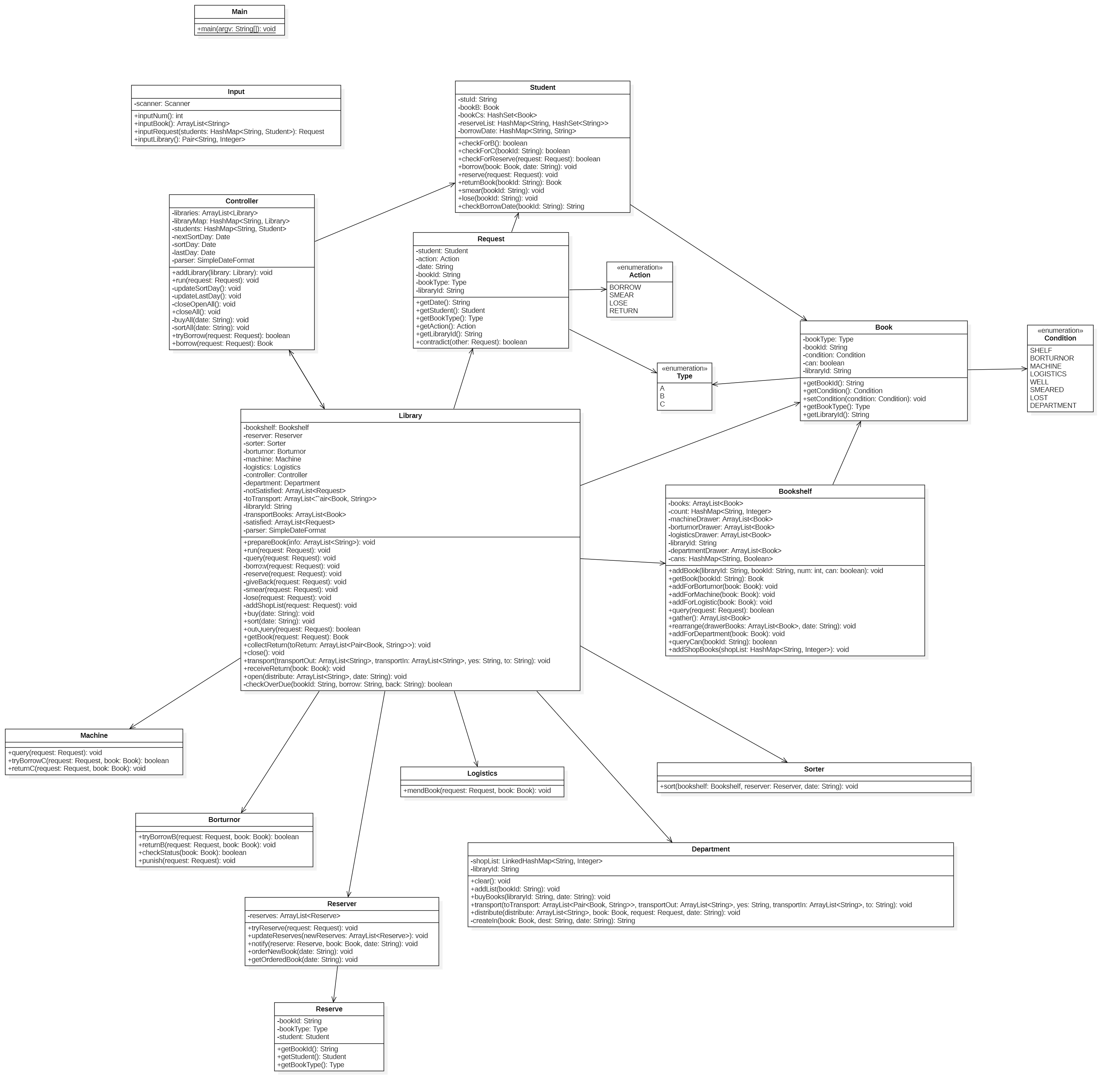
最终类图如下
-
管理者
-
Controller:管理所有
Library类,内含Date管理日期 -
Library:管理所有工作人员
-
-
打工人
-
Machine,Borturnor,Reserver,Logistics,Sorter,Department
-
-
容器:Bookshelf
-
输入:Input
-
其他:Student,Request
按照课程组给的情景,对出现的每个元素(学生、图书、自助借书机,预约管理员,借还管理员等)都建了类,并且完全模拟图书的流动情况对每本书实例化,在学生和图书馆内部各设置了容器来容纳当下拥有的图书。这样的方法有点笨拙,但是对我来说比较清晰,防止图书莫名其妙变多变少。另外,针对每条输入,我都建立了Request类来包装,用其进行各个对象间的通信。但不得不承认,第一次作业的设计还勉强够得着高内聚低耦合的铁则,但后来的作业确乎是没有做到。
正向建模与开发
正向建模与开发:正向建模是一种软件工程方法,它将系统建模为由功能元素组成的层次结构,每个层次的功能被分割成子集。在每个子集中,元素之间存在着逐步的细化和分解关系,从而形成了系统框架。正向建模方法是一种自上而下的设计过程,它从高层次的整体功能出发,逐步细化到低层次的细节设计,以实现队整个软件系统的全面把握。(来自百度文库
第四单元强调在code之前先进行uml类图的撰写,我的建模过程大致如下:
-
读指导书,找出需求和明显需要实现的类及其基本属性
-
分析需求,对每个需求的处理流程梳理出类和类之间的函数调用关系,如有必要增加类的属性
-
明确各个类的方法
以上是我在Markdown文档中的做法,做完之后再画初步的uml类图,检查能否实现相应需求;之后按照类图写代码,写的过程中遇到细节写不通再回头修改设计。代码完成之后再补充类图的细节。最终uml和代码能够有较好的一致性。
架构设计思维演进
在oo之前,我从来没有接触过上千行的代码开发(Verilog除外),一开始难以适从;但一学期的摸爬滚打之后还是能够感觉摸到一点门路了,这实在令人欣慰。
Unit1
第一单元表达式解析,我认为是最需要理解和掌握架构设计的。一开始课程组给了parser和lexer,但是自己搞了半天,仍然不知道要怎么用,常常写了很多之后发现只能解决当下想到的数据,无法扩展,只能重头再来;后来get到需要把表达式做层次化剥离,又开始埋头写,但是一个个函数写下来漏洞百出,常常递归着递归着就不知道到哪去了;但种种下来,第一单元给我的收获可以说是最大的,正是第一单元训练了我对层次化建类的敏感度,让后来单元的初步设计不再痛苦。
Unit2
第二单元主题是多线程,架构设计明显清晰很多,少走了很多弯路。我首先学习写了基本的生产者消费者模型,在阅读了大量往届博客之后get到整体设计架构,用自由竞争的方式勉强糊弄了前两次作业;但第三次作业新增的残疾电梯让我有点破防,最后是求助同学get到的思路。
Unit3
第三单元是主题是规格化设计,就是阅读理解jml来完成建模。架构设计直接implement课程组接口,但感觉类的方法太冗杂。
Unit4
第四单元是正向建模,就像我在上面所写,自己可以根据指导书完成类的设计和架构的组织,面对长长的指导书不再迷茫,我认为是较大的收获。(当然也是感觉后面的单元没有第一单元难
测试思维演进
没有造过评测机,全靠强力的同学们orz
在四个单元的测试中,第一单元的测试数据最直观也最简单,自己尝试用Python随机生成了一些数据效果都不太好,还不如自己突发奇想的奇怪数据(?)在后来的单元的测试中,我有用过评测机,也有和别人分享的数据对拍,取得的效果不错但有限(有限是因为自己懒了)。在最后一个单元的第一次作业给了我狠狠的毒打,快截止的时候。我在修后发现的bug的而且只测了那条数据,并没有做回归测试,导致出现了更大的bug,我真傻,真的。
课程收获
我认为在本学期的学习中,oo是最有压力的一门课程。每周的ddl和无尽的debug,都常常让我感到很大的压力。但是周围同学的努力和认真又push我让我不要放弃,最终以一个不太好的成绩结课。但从好的方面来讲,我确实完成了这么多的代码编写,编程能力不提高是假的;也探索了极限赶due能力和无尽的熬夜可能,常常在短时间内浏览大量知识成功扫盲。
感谢课程组和所有帮助过他人的同学orz。才发现这学期漫长的oo之旅到现在就结束了,ja、byebye。
相关推荐
人教版五年级英语上册unit4 A Lets talk..ppt
人教版五年级英语上册unit4 A Lets talk..ppt
人教五年级英语上册unitALetstalkPPT学习教案.pptx
人教五年级英语上册unitALetstalkPPT学习教案.pptx
人教五年级英语上册unitALetstalkPPT课件.pptx
人教五年级英语上册unitALetstalkPPT课件.pptx
四川省成都市蒲江县朝阳湖镇九年制学校七年级英语上册StarterUnit2What’sthisinEnglish1a_2e导学案无答案新版人教新目标版
四川省成都市蒲江县朝阳湖镇九年制学校七年级英语上册StarterUnit2What’sthisinEnglish1a_2e导学案无答案新版人教新目标版
python programming
1 Computers and Programs 1 1.1 The Universal Machine . . . . . . . . . . . . . . . . . . . . . . . . . . . . . . . . . . . . . 1 1.2 Program Power . . . . . . . . . . . . . . . . . . . . . . . . . . . . . . . . . . . . . . . . . 2 1.3 What is Computer Science? . . . . . . . . . . . . . . . . . . . . . . . . . . . . . . . . . . . 2 1.4 Hardware Basics . . . . . . . . . . . . . . . . . . . . . . . . . . . . . . . . . . . . . . . . 3 1.5 Programming Languages . . . . . . . . . . . . . . . . . . . . . . . . . . . . . . . . . . . . 4 1.6 The Magic of Python . . . . . . . . . . . . . . . . . . . . . . . . . . . . . . . . . . . . . . 5 1.7 Inside a Python Program . . . . . . . . . . . . . . . . . . . . . . . . . . . . . . . . . . . . 8 1.8 Chaos and Computers . . . . . . . . . . . . . . . . . . . . . . . . . . . . . . . . . . . . . . 10 1.9 Exercises . . . . . . . . . . . . . . . . . . . . . . . . . . . . . . . . . . . . . . . . . . . . 11 2 Writing Simple Programs 13 2.1 The Software Development Process . . . . . . . . . . . . . . . . . . . . . . . . . . . . . . 13 2.2 Example Program: Temperature Converter . . . . . . . . . . . . . . . . . . . . . . . . . . . 13 2.3 Elements of Programs . . . . . . . . . . . . . . . . . . . . . . . . . . . . . . . . . . . . . . 15 2.3.1 Names . . . . . . . . . . . . . . . . . . . . . . . . . . . . . . . . . . . . . . . . . 15 2.3.2 Expressions . . . . . . . . . . . . . . . . . . . . . . . . . . . . . . . . . . . . . . . 15 2.4 Output Statements . . . . . . . . . . . . . . . . . . . . . . . . . . . . . . . . . . . . . . . . 16 2.5 Assignment Statements . . . . . . . . . . . . . . . . . . . . . . . . . . . . . . . . . . . . . 17 2.5.1 Simple Assignment . . . . . . . . . . . . . . . . . . . . . . . . . . . . . . . . . . . 17 2.5.2 Assigning Input . . . . . . . . . . . . . . . . . . . . . . . . . . . . . . . . . . . . . 18 2.5.3 Simultaneous Assignment . . . . . . . . . . . . . . . . . . . . . . . . . . . . . . . 19 2.6 Definite Loops . . . . . . . . . . . . . . . . . . . . . . . . . . . . . . . . . . . . . . . . . 20 2.7 Example Program: Future Value . . . . . . . . . . . . . . . . . . . . . . . . . . . . . . . . 22 2.8 Exercises . . . . . . . . . . . . . . . . . . . . . . . . . . . . . . . . . . . . . . . . . . . . 24 3 Computing with Numbers 25 3.1 Numeric Data Types . . . . . . . . . . . . . . . . . . . . . . . . . . . . . . . . . . . . . . 25 3.2 Using the Math Library . . . . . . . . . . . . . . . . . . . . . . . . . . . . . . . . . . . . . 27 3.3 Accumulating Results: Factorial . . . . . . . . . . . . . . . . . . . . . . . . . . . . . . . . 28 3.4 The Limits of Int . . . . . . . . . . . . . . . . . . . . . . . . . . . . . . . . . . . . . . . . 31 3.5 Handling Large Numbers: Long Ints . . . . . . . . . . . . . . . . . . . . . . . . . . . . . . 32 3.6 Type Conversions . . . . . . . . . . . . . . . . . . . . . . . . . . . . . . . . . . . . . . . . 34 3.7 Exercises . . . . . . . . . . . . . . . . . . . . . . . . . . . . . . . . . . . . . . . . . . . . 35 4 Computing with Strings 39 4.1 The String Data Type . . . . . . . . . . . . . . . . . . . . . . . . . . . . . . . . . . . . . . 39 4.2 Simple String Processing . . . . . . . . . . . . . . . . . . . . . . . . . . . . . . . . . . . . 41 4.3 Strings and Secret Codes . . . . . . . . . . . . . . . . . . . . . . . . . . . . . . . . . . . . 43 4.3.1 String Representation . . . . . . . . . . . . . . . . . . . . . . . . . . . . . . . . . . 43 4.3.2 Programming an Encoder . . . . . . . . . . . . . . . . . . . . . . . . . . . . . . . 44 4.3.3 Programming a Decoder . . . . . . . . . . . . . . . . . . . . . . . . . . . . . . . . 45 4.3.4 Other String Operations . . . . . . . . . . . . . . . . . . . . . . . . . . . . . . . . 48 i ii CONTENTS 4.3.5 From Encoding to Encryption . . . . . . . . . . . . . . . . . . . . . . . . . . . . . 48 4.4 Output as String Manipulation . . . . . . . . . . . . . . . . . . . . . . . . . . . . . . . . . 49 4.4.1 Converting Numbers to Strings . . . . . . . . . . . . . . . . . . . . . . . . . . . . . 49 4.4.2 String Formatting . . . . . . . . . . . . . . . . . . . . . . . . . . . . . . . . . . . . 50 4.4.3 Better Change Counter . . . . . . . . . . . . . . . . . . . . . . . . . . . . . . . . . 51 4.5 File Processing . . . . . . . . . . . . . . . . . . . . . . . . . . . . . . . . . . . . . . . . . 52 4.5.1 Multi-Line Strings . . . . . . . . . . . . . . . . . . . . . . . . . . . . . . . . . . . 52 4.5.2 File Processing . . . . . . . . . . . . . . . . . . . . . . . . . . . . . . . . . . . . . 53 4.5.3 Example Program: Batch Usernames . . . . . . . . . . . . . . . . . . . . . . . . . 55 4.5.4 Coming Attraction: Objects . . . . . . . . . . . . . . . . . . . . . . . . . . . . . . 56 4.6 Exercises . . . . . . . . . . . . . . . . . . . . . . . . . . . . . . . . . . . . . . . . . . . . 57 5 Objects and Graphics 61 5.1 The Object of Objects . . . . . . . . . . . . . . . . . . . . . . . . . . . . . . . . . . . . . . 61 5.2 Graphics Programming . . . . . . . . . . . . . . . . . . . . . . . . . . . . . . . . . . . . . 62 5.3 Using Graphical Objects . . . . . . . . . . . . . . . . . . . . . . . . . . . . . . . . . . . . 64 5.4 Graphing Future Value . . . . . . . . . . . . . . . . . . . . . . . . . . . . . . . . . . . . . 68 5.5 Choosing Coordinates . . . . . . . . . . . . . . . . . . . . . . . . . . . . . . . . . . . . . . 73 5.6 Interactive Graphics . . . . . . . . . . . . . . . . . . . . . . . . . . . . . . . . . . . . . . . 75 5.6.1 Getting Mouse Clicks . . . . . . . . . . . . . . . . . . . . . . . . . . . . . . . . . 75 5.6.2 Handling Textual Input . . . . . . . . . . . . . . . . . . . . . . . . . . . . . . . . . 76 5.7 Graphics Module Reference . . . . . . . . . . . . . . . . . . . . . . . . . . . . . . . . . . 79 5.7.1 GraphWin Objects . . . . . . . . . . . . . . . . . . . . . . . . . . . . . . . . . . . 79 5.7.2 Graphics Objects . . . . . . . . . . . . . . . . . . . . . . . . . . . . . . . . . . . . 79 5.7.3 Entry Objects . . . . . . . . . . . . . . . . . . . . . . . . . . . . . . . . . . . . . . 81 5.7.4 Displaying Images . . . . . . . . . . . . . . . . . . . . . . . . . . . . . . . . . . . 81 5.7.5 Generating Colors . . . . . . . . . . . . . . . . . . . . . . . . . . . . . . . . . . . 81 5.8 Exercises . . . . . . . . . . . . . . . . . . . . . . . . . . . . . . . . . . . . . . . . . . . . 82 6 Defining Functions 85 6.1 The Function of Functions . . . . . . . . . . . . . . . . . . . . . . . . . . . . . . . . . . . 85 6.2 Functions, Informally . . . . . . . . . . . . . . . . . . . . . . . . . . . . . . . . . . . . . . 86 6.3 Future Value with a Function . . . . . . . . . . . . . . . . . . . . . . . . . . . . . . . . . . 89 6.4 Functions and Parameters: The Gory Details . . . . . . . . . . . . . . . . . . . . . . . . . . 90 6.5 Functions that Return Values . . . . . . . . . . . . . . . . . . . . . . . . . . . . . . . . . . 93 6.6 Functions and Program Structure . . . . . . . . . . . . . . . . . . . . . . . . . . . . . . . . 95 6.7 Exercises . . . . . . . . . . . . . . . . . . . . . . . . . . . . . . . . . . . . . . . . . . . . 97 7 Control Structures, Part 1 101 7.1 Simple Decisions . . . . . . . . . . . . . . . . . . . . . . . . . . . . . . . . . . . . . . . . 101 7.1.1 Example: TemperatureWarnings . . . . . . . . . . . . . . . . . . . . . . . . . . . . 101 7.1.2 Forming Simple Conditions . . . . . . . . . . . . . . . . . . . . . . . . . . . . . . 103 7.1.3 Example: Conditional Program Execution . . . . . . . . . . . . . . . . . . . . . . . 104 7.2 Two-Way Decisions . . . . . . . . . . . . . . . . . . . . . . . . . . . . . . . . . . . . . . . 105 7.3 Multi-Way Decisions . . . . . . . . . . . . . . . . . . . . . . . . . . . . . . . . . . . . . . 107 7.4 Exception Handling . . . . . . . . . . . . . . . . . . . . . . . . . . . . . . . . . . . . . . . 109 7.5 Study in Design: Max of Three . . . . . . . . . . . . . . . . . . . . . . . . . . . . . . . . . 112 7.5.1 Strategy 1: Compare Each to All . . . . . . . . . . . . . . . . . . . . . . . . . . . 112 7.5.2 Strategy 2: Decision Tree . . . . . . . . . . . . . . . . . . . . . . . . . . . . . . . 113 7.5.3 Strategy 3: Sequential Processing . . . . . . . . . . . . . . . . . . . . . . . . . . . 114 7.5.4 Strategy 4: Use Python . . . . . . . . . . . . . . . . . . . . . . . . . . . . . . . . . 116 7.5.5 Some Lessons . . . . . . . . . . . . . . . . . . . . . . . . . . . . . . . . . . . . . 116 7.6 Exercises . . . . . . . . . . . . . . . . . . . . . . . . . . . . . . . . . . . . . . . . . . . . 116 CONTENTS iii 8 Control Structures, Part 2 119 8.1 For Loops: A Quick Review . . . . . . . . . . . . . . . . . . . . . . . . . . . . . . . . . . 119 8.2 Indefinite Loops . . . . . . . . . . . . . . . . . . . . . . . . . . . . . . . . . . . . . . . . . 120 8.3 Common Loop Patterns . . . . . . . . . . . . . . . . . . . . . . . . . . . . . . . . . . . . . 121 8.3.1 Interactive Loops . . . . . . . . . . . . . . . . . . . . . . . . . . . . . . . . . . . . 121 8.3.2 Sentinel Loops . . . . . . . . . . . . . . . . . . . . . . . . . . . . . . . . . . . . . 123 8.3.3 File Loops . . . . . . . . . . . . . . . . . . . . . . . . . . . . . . . . . . . . . . . 125 8.3.4 Nested Loops . . . . . . . . . . . . . . . . . . . . . . . . . . . . . . . . . . . . . . 126 8.4 Computing with Booleans . . . . . . . . . . . . . . . . . . . . . . . . . . . . . . . . . . . 127 8.4.1 Boolean Operators . . . . . . . . . . . . . . . . . . . . . . . . . . . . . . . . . . . 127 8.4.2 Boolean Algebra . . . . . . . . . . . . . . . . . . . . . . . . . . . . . . . . . . . . 129 8.5 Other Common Structures . . . . . . . . . . . . . . . . . . . . . . . . . . . . . . . . . . . 130 8.5.1 Post-Test Loop . . . . . . . . . . . . . . . . . . . . . . . . . . . . . . . . . . . . . 130 8.5.2 Loop and a Half . . . . . . . . . . . . . . . . . . . . . . . . . . . . . . . . . . . . 132 8.5.3 Boolean Expressions as Decisions . . . . . . . . . . . . . . . . . . . . . . . . . . . 132 8.6 Exercises . . . . . . . . . . . . . . . . . . . . . . . . . . . . . . . . . . . . . . . . . . . . 134 9 Simulation and Design 137 9.1 Simulating Racquetball . . . . . . . . . . . . . . . . . . . . . . . . . . . . . . . . . . . . . 137 9.1.1 A Simulation Problem . . . . . . . . . . . . . . . . . . . . . . . . . . . . . . . . . 137 9.1.2 Program Specification . . . . . . . . . . . . . . . . . . . . . . . . . . . . . . . . . 138 9.2 Random Numbers . . . . . . . . . . . . . . . . . . . . . . . . . . . . . . . . . . . . . . . . 138 9.3 Top-Down Design . . . . . . . . . . . . . . . . . . . . . . . . . . . . . . . . . . . . . . . . 140 9.3.1 Top-Level Design . . . . . . . . . . . . . . . . . . . . . . . . . . . . . . . . . . . . 140 9.3.2 Separation of Concerns . . . . . . . . . . . . . . . . . . . . . . . . . . . . . . . . . 141 9.3.3 Second-Level Design . . . . . . . . . . . . . . . . . . . . . . . . . . . . . . . . . . 142 9.3.4 Designing simNGames . . . . . . . . . . . . . . . . . . . . . . . . . . . . . . . . . 143 9.3.5 Third-Level Design . . . . . . . . . . . . . . . . . . . . . . . . . . . . . . . . . . . 144 9.3.6 Finishing Up . . . . . . . . . . . . . . . . . . . . . . . . . . . . . . . . . . . . . . 146 9.3.7 Summary of the Design Process . . . . . . . . . . . . . . . . . . . . . . . . . . . . 148 9.4 Bottom-Up Implementation . . . . . . . . . . . . . . . . . . . . . . . . . . . . . . . . . . . 148 9.4.1 Unit Testing . . . . . . . . . . . . . . . . . . . . . . . . . . . . . . . . . . . . . . . 148 9.4.2 Simulation Results . . . . . . . . . . . . . . . . . . . . . . . . . . . . . . . . . . . 149 9.5 Other Design Techniques . . . . . . . . . . . . . . . . . . . . . . . . . . . . . . . . . . . . 150 9.5.1 Prototyping and Spiral Development . . . . . . . . . . . . . . . . . . . . . . . . . . 150 9.5.2 The Art of Design . . . . . . . . . . . . . . . . . . . . . . . . . . . . . . . . . . . 151 9.6 Exercises . . . . . . . . . . . . . . . . . . . . . . . . . . . . . . . . . . . . . . . . . . . . 152 10 Defining Classes 155 10.1 Quick Review of Objects . . . . . . . . . . . . . . . . . . . . . . . . . . . . . . . . . . . . 155 10.2 Example Program: Cannonball . . . . . . . . . . . . . . . . . . . . . . . . . . . . . . . . . 156 10.2.1 Program Specification . . . . . . . . . . . . . . . . . . . . . . . . . . . . . . . . . 156 10.2.2 Designing the Program . . . . . . . . . . . . . . . . . . . . . . . . . . . . . . . . . 156 10.2.3 Modularizing the Program . . . . . . . . . . . . . . . . . . . . . . . . . . . . . . . 159 10.3 Defining New Classes . . . . . . . . . . . . . . . . . . . . . . . . . . . . . . . . . . . . . . 159 10.3.1 Example: Multi-Sided Dice . . . . . . . . . . . . . . . . . . . . . . . . . . . . . . 160 10.3.2 Example: The Projectile Class . . . . . . . . . . . . . . . . . . . . . . . . . . . . . 162 10.4 Objects and Encapsulation . . . . . . . . . . . . . . . . . . . . . . . . . . . . . . . . . . . 164 10.4.1 Encapsulating Useful Abstractions . . . . . . . . . . . . . . . . . . . . . . . . . . . 164 10.4.2 Putting Classes in Modules . . . . . . . . . . . . . . . . . . . . . . . . . . . . . . . 164 10.5 Widget Objects . . . . . . . . . . . . . . . . . . . . . . . . . . . . . . . . . . . . . . . . . 166 10.5.1 Example Program: Dice Roller . . . . . . . . . . . . . . . . . . . . . . . . . . . . . 166 10.5.2 Building Buttons . . . . . . . . . . . . . . . . . . . . . . . . . . . . . . . . . . . . 166 10.5.3 Building Dice . . . . . . . . . . . . . . . . . . . . . . . . . . . . . . . . . . . . . . 169 iv CONTENTS 10.5.4 The Main Program . . . . . . . . . . . . . . . . . . . . . . . . . . . . . . . . . . . 172 10.6 Exercises . . . . . . . . . . . . . . . . . . . . . . . . . . . . . . . . . . . . . . . . . . . . 173 11 Data Collections 177 11.1 Example Problem: Simple Statistics . . . . . . . . . . . . . . . . . . . . . . . . . . . . . . 177 11.2 Applying Lists . . . . . . . . . . . . . . . . . . . . . . . . . . . . . . . . . . . . . . . . . 178 11.2.1 Lists are Sequences . . . . . . . . . . . . . . . . . . . . . . . . . . . . . . . . . . . 178 11.2.2 Lists vs. Strings . . . . . . . . . . . . . . . . . . . . . . . . . . . . . . . . . . . . . 179 11.2.3 List Operations . . . . . . . . . . . . . . . . . . . . . . . . . . . . . . . . . . . . . 180 11.3 Statistics with Lists . . . . . . . . . . . . . . . . . . . . . . . . . . . . . . . . . . . . . . . 181 11.4 Combining Lists and Classes . . . . . . . . . . . . . . . . . . . . . . . . . . . . . . . . . . 184 11.5 Case Study: Python Calculator . . . . . . . . . . . . . . . . . . . . . . . . . . . . . . . . . 188 11.5.1 A Calculator as an Object . . . . . . . . . . . . . . . . . . . . . . . . . . . . . . . 188 11.5.2 Constructing the Interface . . . . . . . . . . . . . . . . . . . . . . . . . . . . . . . 188 11.5.3 Processing Buttons . . . . . . . . . . . . . . . . . . . . . . . . . . . . . . . . . . . 190 11.6 Non-Sequential Collections . . . . . . . . . . . . . . . . . . . . . . . . . . . . . . . . . . . 193 11.6.1 Dictionary Basics . . . . . . . . . . . . . . . . . . . . . . . . . . . . . . . . . . . . 193 11.6.2 Dictionary Operations . . . . . . . . . . . . . . . . . . . . . . . . . . . . . . . . . 194 11.6.3 Example Program: Word Frequency . . . . . . . . . . . . . . . . . . . . . . . . . . 194 11.7 Exercises . . . . . . . . . . . . . . . . . . . . . . . . . . . . . . . . . . . . . . . . . . . . 198 12 Object-Oriented Design 201 12.1 The Process of OOD . . . . . . . . . . . . . . . . . . . . . . . . . . . . . . . . . . . . . . 201 12.2 Case Study: Racquetball Simulation . . . . . . . . . . . . . . . . . . . . . . . . . . . . . . 202 12.2.1 Candidate Objects and Methods . . . . . . . . . . . . . . . . . . . . . . . . . . . . 203 12.2.2 Implementing SimStats . . . . . . . . . . . . . . . . . . . . . . . . . . . . . . . . . 203 12.2.3 Implementing RBallGame . . . . . . . . . . . . . . . . . . . . . . . . . . . . . . . 205 12.2.4 Implementing Player . . . . . . . . . . . . . . . . . . . . . . . . . . . . . . . . . . 207 12.2.5 The Complete Program . . . . . . . . . . . . . . . . . . . . . . . . . . . . . . . . . 207 12.3 Case Study: Dice Poker . . . . . . . . . . . . . . . . . . . . . . . . . . . . . . . . . . . . . 210 12.3.1 Program Specification . . . . . . . . . . . . . . . . . . . . . . . . . . . . . . . . . 210 12.3.2 Identifying Candidate Objects . . . . . . . . . . . . . . . . . . . . . . . . . . . . . 210 12.3.3 Implementing the Model . . . . . . . . . . . . . . . . . . . . . . . . . . . . . . . . 211 12.3.4 A Text-Based UI . . . . . . . . . . . . . . . . . . . . . . . . . . . . . . . . . . . . 214 12.3.5 Developing a GUI . . . . . . . . . . . . . . . . . . . . . . . . . . . . . . . . . . . 216 12.4 OO Concepts . . . . . . . . . . . . . . . . . . . . . . . . . . . . . . . . . . . . . . . . . . 221 12.4.1 Encapsulation . . . . . . . . . . . . . . . . . . . . . . . . . . . . . . . . . . . . . . 221 12.4.2 Polymorphism . . . . . . . . . . . . . . . . . . . . . . . . . . . . . . . . . . . . . 222 12.4.3 Inheritance . . . . . . . . . . . . . . . . . . . . . . . . . . . . . . . . . . . . . . . 222 12.5 Exercises . . . . . . . . . . . . . . . . . . . . . . . . . . . . . . . . . . . . . . . . . . . . 223 13 Algorithm Analysis and Design 225 13.1 Searching . . . . . . . . . . . . . . . . . . . . . . . . . . . . . . . . . . . . . . . . . . . . 225 13.1.1 A Simple Searching Problem . . . . . . . . . . . . . . . . . . . . . . . . . . . . . . 225 13.1.2 Strategy 1: Linear Search . . . . . . . . . . . . . . . . . . . . . . . . . . . . . . . . 226 13.1.3 Strategy 2: Binary Search . . . . . . . . . . . . . . . . . . . . . . . . . . . . . . . 226 13.1.4 Comparing Algorithms . . . . . . . . . . . . . . . . . . . . . . . . . . . . . . . . . 227 13.2 Recursive Problem-Solving . . . . . . . . . . . . . . . . . . . . . . . . . . . . . . . . . . . 228 13.2.1 Recursive Definitions . . . . . . . . . . . . . . . . . . . . . . . . . . . . . . . . . . 229 13.2.2 Recursive Functions . . . . . . . . . . . . . . . . . . . . . . . . . . . . . . . . . . 230 13.2.3 Recursive Search . . . . . . . . . . . . . . . . . . . . . . . . . . . . . . . . . . . . 230 13.3 Sorting Algorithms . . . . . . . . . . . . . . . . . . . . . . . . . . . . . . . . . . . . . . . 231 13.3.1 Naive Sorting: Selection Sort . . . . . . . . . . . . . . . . . . . . . . . . . . . . . 231 13.3.2 Divide and Conquer: Merge Sort . . . . . . . . . . . . . . . . . . . . . . . . . . . . 232 CONTENTS v 13.3.3 Comparing Sorts . . . . . . . . . . . . . . . . . . . . . . . . . . . . . . . . . . . . 234 13.4 Hard Problems . . . . . . . . . . . . . . . . . . . . . . . . . . . . . . . . . . . . . . . . . 235 13.4.1 Towers of Hanoi . . . . . . . . . . . . . . . . . . . . . . . . . . . . . . . . . . . . 236 13.4.2 The Halting Problem . . . . . . . . . . . . . . . . . . . . . . . . . . . . . . . . . . 239 13.4.3 Conclusion . . . . . . . . . . . . . . . . . . . . . . . . . . . . . . . . . . . . . . . 241